Let us tell you something that bothers us. In the last year alone, we have personally reviewed over 4,000 scam complaints that came through ScamDekho. And a surprising number of them came from people you would never expect to fall for a scam. Software engineers. Chartered accountants. Business owners who handle crores in transactions. A retired IAS officer.
These are not careless people. They are busy, distracted, trusting, or simply unfamiliar with one specific trick that a scammer used on them at exactly the right moment. That is how modern scams work. They do not target the foolish. They target the moment you let your guard down.
This article covers ten online scams that are actively running in India right now, in 2026. Each one has fooled otherwise intelligent, careful people. We are going to explain exactly how each scam works, show you the red flags, and tell you what to do if you are targeted.
1. The Fake Customer Care Number Scam
This is probably the most underrated scam in India right now, and it catches smart people more than any other.
Here is what happens. You have a problem with Swiggy, or your bank, or your broadband connection. You open Google and type something like “Swiggy customer care number” or “HDFC credit card helpline.” You see a number at the top of the results. You call it. The person who answers sounds professional. They ask for your account details to “verify your identity.” Then they ask you to share a screen, download an app, or read out an OTP. Within minutes, money is gone.
The number you called was not Swiggy or HDFC. It was a scammer who paid to have their number show up on Google, sometimes through Google Ads, sometimes through fake websites that rank well because nobody is actively taking them down.
We have seen this happen to people who work in tech. The problem is not intelligence. The problem is that when you are frustrated and searching for quick help, you do not stop to verify whether a phone number on Google is actually real.
How to protect yourself: Never call a customer care number from a Google search. Go to the company’s official website or app and find the contact information there. If you receive a suspicious link during a customer care call, check it on our free website checker at scamdekho.in/url-checker before clicking anything.
2. The UPI Collect Request Scam
You list something for sale on OLX, Quikr, or Facebook Marketplace. A buyer contacts you within hours. They sound genuine. They agree to your price without bargaining. They say they will send the money now.
Then instead of sending money, they send a UPI collect request. Your phone shows a payment notification. If you are not paying close attention, it looks like money is coming in. You approve it. And your money goes out.
Some scammers make this more convincing by first sending you a small amount, say one or two rupees, so you trust them. Then they send a collect request for a large amount disguised as a payment.
This scam catches smart people because the UPI interface on some apps does not clearly differentiate between “someone is sending you money” and “someone is requesting money from you.” The victim is expecting a payment, sees a notification, and approves without reading carefully.
How to protect yourself: Remember that you never need to approve anything to receive money via UPI. If someone asks you to approve a request or enter your PIN to receive payment, it is a scam. Before transacting, you can verify the buyer’s UPI ID on our free UPI ID checker at scamdekho.in/upi-qr-checker.
3. The Telegram Task Scam (Part-Time Job Fraud)
This one has exploded in the last two years and the losses are staggering. We have personally spoken to people who lost ten lakh, twenty lakh, even fifty lakh rupees to this single scam type.
It starts with a WhatsApp or Telegram message offering you a simple part-time job. Like videos on YouTube. Rate products on Amazon. Write reviews. The pay is 500 to 5,000 rupees per task. You start doing tasks and they actually pay you. Small amounts. 300 here, 800 there.
Then comes the “prepaid task.” To unlock a higher-paying task, you need to deposit some money first. Maybe 1,000 rupees. You deposit it, complete the task, and they pay you 1,500 back. It works. So when the next task requires a 5,000 rupee deposit, you do it. Then 15,000. Then 50,000.
At some point, the withdrawal gets “stuck.” They say there is a tax issue, or a system error, or you need to complete one more deposit to release all your earnings. By the time you realize it is a scam, you have deposited lakhs.
This catches smart people because the initial payments are real. Your brain sees a pattern of legitimate returns and trusts it. That is exactly what the scammers are counting on.
How to protect yourself: No legitimate company requires you to deposit your own money to earn money. If you receive a message offering easy part-time work, run it through our free message scam checker at scamdekho.in/scam-message-checker before responding.
4. The Fake Payment Screenshot Scam
You are selling something. The buyer shows you a payment screenshot proving they have made the transfer. You see the green tick, the transaction ID, the amount. It looks perfect. So you hand over the product or release the service.
But the money never arrives in your account. The screenshot was fake. Made in two minutes using a free app or a photo editor.
This catches sellers, delivery partners, and even small shopkeepers who are busy and check the screenshot instead of checking their actual bank account. The fake screenshots have become incredibly realistic. Some even include the correct bank logos, fonts, and timestamp formats.
How to protect yourself: Never confirm a payment by looking at a screenshot. Always check your own bank account or UPI app for the actual credit. If you want to verify a screenshot someone sent you, upload it to our free fake payment screenshot checker at scamdekho.in/fake-payment-screenshot-checker. It detects edited images, fake UTR numbers, and manipulated amount fields.
Also Read: IPL 2026 Betting App Scam – How Fake Apps Are Stealing Crores
5. The KYC Expiry / Account Block Scam
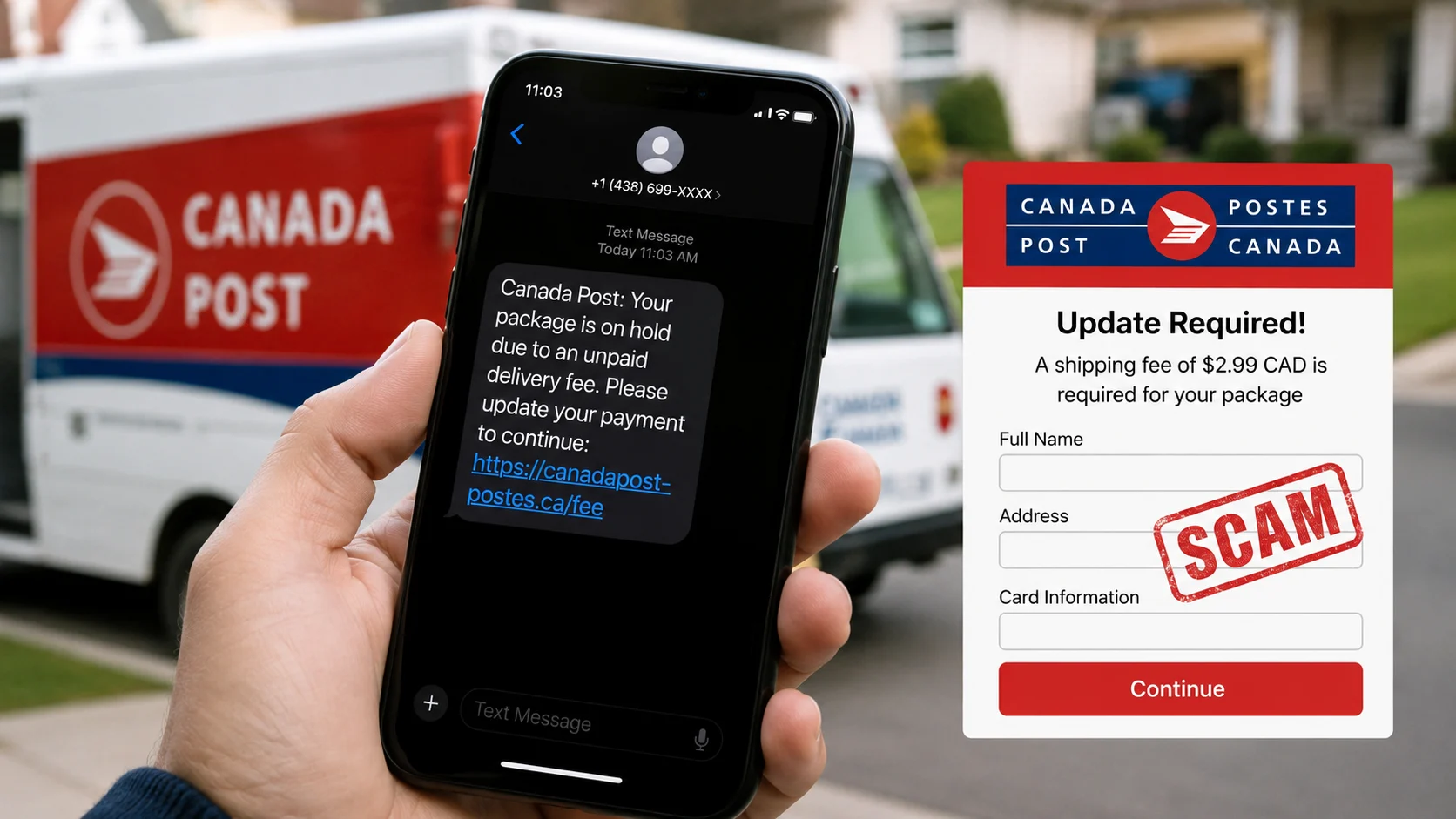
You receive an SMS or WhatsApp message saying your bank account will be blocked in 24 hours because your KYC is incomplete. There is a link. You click it. It opens a page that looks exactly like your bank’s website. You enter your login details. Done. The scammer now has your credentials.
Some versions of this scam ask you to download an APK file for “KYC verification.” That file is a screen-sharing or keylogging app that gives the scammer complete access to your phone.
This catches smart people because the urgency feels real. When your brain reads “your account will be blocked in 24 hours,” it triggers a fear response that overrides logical thinking. That is exactly what the scammer designed it to do.
How to protect yourself: No bank sends KYC reminders via WhatsApp or SMS with clickable links. If you get such a message, ignore it. If you are worried, open your banking app directly or visit your bank branch. You can also verify the link by pasting it into our free URL checker at scamdekho.in/url-checker. We will tell you if it is a phishing page.
6. The QR Code Scam at Shops and Markets
This one is beautifully simple and almost impossible to detect without being told about it.
A scammer visits a small shop, tea stall, or street vendor. They wait for a quiet moment and stick their own QR code label over the merchant’s existing QR code. Every customer who scans that QR code to pay the merchant is now paying the scammer instead. The merchant does not realize the problem until they check their account and see missing payments.
A variation of this targets individuals. Someone sends you a QR code and tells you to scan it to receive money. You scan it, and it initiates a payment from your account. Remember: scanning a QR code is always a payment action, never a receiving action.
How to protect yourself: If you are a merchant, regularly check that your QR code has not been covered with a sticker. If someone sends you a QR code and asks you to scan it to receive money, it is a scam. You can upload any QR code to our free QR code checker at scamdekho.in/upi-qr-checker to see exactly what UPI ID and amount is embedded inside before scanning.
7. The Investment and Stock Market Scam
Somebody adds you to a WhatsApp or Telegram group. The group has hundreds of members. An “expert” posts stock tips daily. Other members post screenshots of their profits. Everything looks active and genuine.
Eventually, you are told about a “premium” trading platform with guaranteed 30 to 40 percent monthly returns. You sign up. You deposit money. The dashboard shows your investment growing. You even withdraw a small amount to test it and the money arrives.
Then you invest a large sum. The dashboard still shows growing returns. But when you try to withdraw, there are delays. Then fees. Then taxes. Then the app stops responding. The website goes offline. The Telegram group is deleted.
Every single member in that group except you was either a bot or part of the scam operation. The profit screenshots were fabricated. The trading platform was never connected to any real stock exchange.
This catches smart people, including people who actually understand markets, because the initial returns are real and the social proof from the group feels convincing.
How to protect yourself: No legitimate investment can guarantee fixed returns. Check if the platform is registered with SEBI. If someone adds you to a group promoting an investment opportunity, verify the website on our URL checker before depositing any money. And remember, if the returns sound too good, they are.
Check: Cyber Insurance in India: Will It Pay You Back After a UPI Scam?
8. The Fake Job Offer Letter Scam
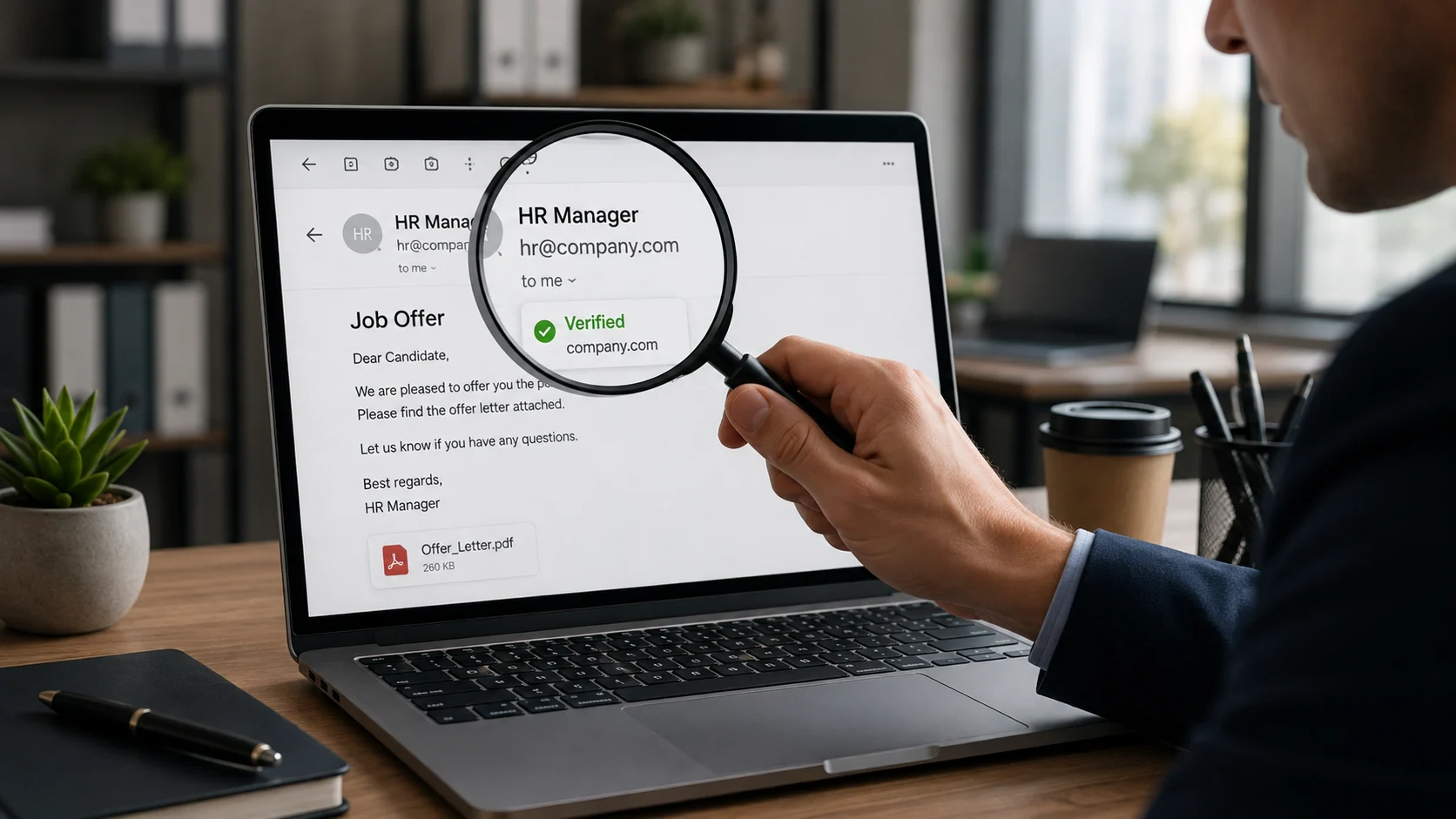
You applied for a job weeks ago. You get an email with a formal offer letter from what appears to be a real company. The letter has the company logo, HR contact details, salary breakdown, and a joining date. But before joining, you need to pay a “security deposit” or “training fee” or “laptop advance.”
In 2026, these fake offer letters have become so polished that even HR professionals have trouble spotting them at first glance. Scammers are using real company names, real employee names pulled from LinkedIn, and realistic CTC tables.
Fresh graduates are the primary target, but we have seen experienced professionals with ten plus years of experience fall for these, especially when they are between jobs and emotionally vulnerable.
How to protect yourself: No legitimate employer asks for money before your joining date. If you receive an offer letter that requires any payment, it is a fraud. Upload the letter to our free job offer letter checker at scamdekho.in/fake-offer-letter-checker. We verify the sender, check the company details, and flag common red flags in fake offer letters.
9. The Loan Approval Scam
You need money. You search for a personal loan online. You find an app or website that promises instant approval, no documents, low interest. You apply. You get “approved” within minutes.
Then the process starts. They need a processing fee of 2,000 rupees. You pay. Then GST charges. Then stamp duty. Then insurance for the loan. Each time, they promise the loan will be disbursed after this one last payment. It never is.
Some of these fake loan apps actually disburse a small loan first, say 5,000 rupees, but then harass you for repayment of 15,000 or more. They access your phone contacts and send threatening messages to your friends and family, sometimes with morphed photos.
This catches smart people because the apps look professional, the interest rates seem competitive, and the “approval” creates a sense of commitment. Once you have paid one fee, sunk cost fallacy kicks in and you keep paying more.
How to protect yourself: Check if the lending app is RBI-registered. Legitimate lenders never ask for upfront fees before disbursement. If you receive a loan offer via SMS or WhatsApp, run the message through our free message scam checker at scamdekho.in/scam-message-checker and verify any website links on our URL checker at scamdekho.in/url-checker.
10. The Parcel or Courier Scam (FedEx / Customs Fraud)
You receive a call from someone claiming to be from FedEx, DHL, or India Post. They tell you that a parcel in your name has been intercepted by customs because it contains illegal items, maybe drugs, fake passports, or undeclared cash. They transfer you to a “customs officer” or “cyber crime officer.” This person tells you that an FIR has been filed in your name and you need to pay a fine or deposit money in a “verification account” to avoid arrest.
Some versions involve a Skype or WhatsApp video call where the scammer is wearing a police uniform and sitting in front of a government-looking background. They show you a fake FIR with your name on it.
This scam has taken crores from educated professionals across India. It works because the fear of legal trouble, especially involving drugs or forged documents, creates panic. When you are panicking, you do not think clearly. That is the entire design.
How to protect yourself: No law enforcement agency in India calls you on the phone to collect fines. No customs officer will ask you to transfer money to avoid arrest. If you receive such a call, hang up immediately. If you are worried, call your local police station directly using the number from their official website, not a number the caller gives you.
What All Ten Scams Have in Common
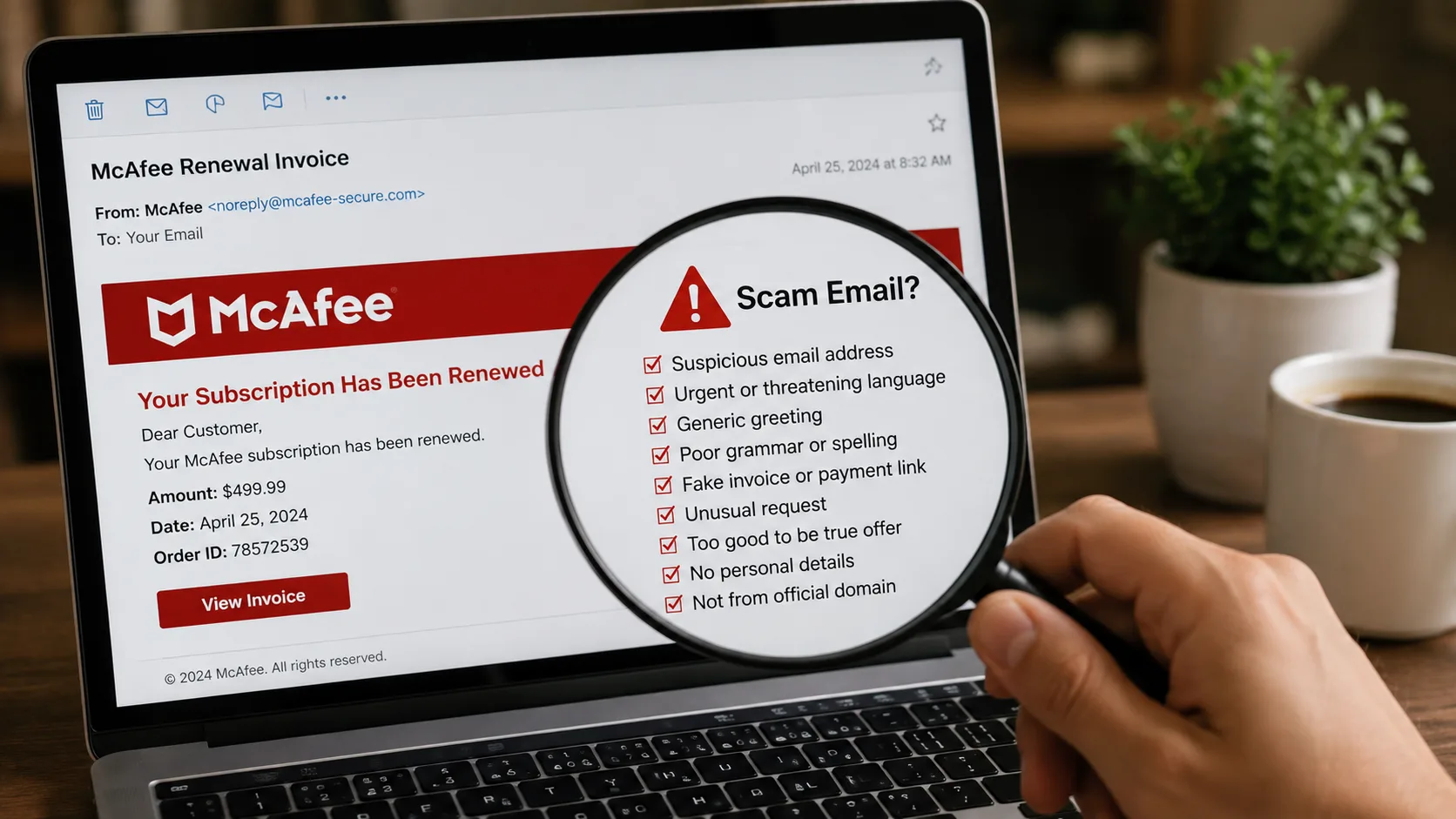
If you read through all ten carefully, you will notice a pattern. Every single one of these scams relies on the same three psychological triggers.
- The first is urgency. Your account will be blocked. Your parcel will be seized. The offer expires today. Scammers create artificial time pressure because they know that the longer you think, the more likely you are to spot the fraud.
- The second is trust. A professional-sounding caller. A polished website. A legitimate-looking screenshot. An official-seeming letter. Scammers invest heavily in appearing credible because trust is what makes you lower your defenses.
- The third is isolation. Scammers want you to act alone. They tell you not to discuss the matter with anyone, sometimes claiming it is “confidential” or “under investigation.” The moment you talk to a friend, family member, or colleague, the spell usually breaks.
- The antidote to all three is simple. Slow down. Verify independently. And talk to someone you trust before making any payment or sharing any information.
What to Do If You Have Been Scammed
If you have already fallen for any of these scams, here is your action plan.
- Call 1930 immediately. This is the National Cybercrime Helpline. The faster you call, the higher the chance they can freeze the scammer’s account before the money is moved.
- File an online complaint at cybercrime.gov.in. Upload all the evidence you have, including screenshots, transaction IDs, phone numbers, and any messages or emails from the scammer.
- Contact your bank. Ask them to flag the fraudulent transaction and freeze the recipient account. Banks are more responsive to this when you file within the first few hours.
- Save everything. Do not delete any chats, call logs, emails, screenshots, or app data related to the scam. This is your evidence and you will need it for the police complaint and any recovery process.
- Do not blame yourself. These scams are designed by professional criminals who do this full time. Being deceived does not make you stupid. Getting help quickly is what matters now.
How ScamDekho Helps You Stay Protected
ScamDekho is built to give you the tools to verify anything suspicious before you lose money. All our tools are free, require no login, and give results in seconds.
- If you receive a suspicious message on WhatsApp, SMS, or email, check it on our Message Scam Checker.
- If someone shares a website link or asks you to visit a URL, verify it on our Website and URL Checker.
- If a buyer or seller sends you a payment proof, upload it to our Fake Payment Screenshot Checker.
- If you are asked to pay a UPI ID or scan a QR code, verify it on our UPI ID and QR Code Checker.
- If you receive a job offer letter that asks for money, upload it to our Job Offer Letter Checker.
None of these checks take more than ten seconds. And ten seconds is often the difference between keeping your money and losing it.
Frequently Asked Questions
The fake customer care number scam and the Telegram task scam are the two most reported online scams in India as of 2026. Both target people across all age groups and income levels. The customer care scam catches people in moments of frustration, while the task scam exploits the desire for easy income.
Yes, recovery is possible if you act fast. Call 1930 within the first few hours and file a complaint at cybercrime.gov.in. Banks can freeze the recipient account and reverse transactions if notified quickly. The success rate drops significantly with every hour you delay.
Call the National Cybercrime Helpline at 1930. You can also file an online complaint with evidence at cybercrime.gov.in. For immediate financial fraud, contact your bank in parallel to request a freeze on the recipient account.
Yes. Online scams do not depend on the victim being uneducated or careless. They exploit specific psychological triggers like urgency, trust, and isolation. Engineers, doctors, CAs, and senior professionals are regularly targeted and have lost significant amounts.
Any unsolicited message demanding urgent action, any request for OTP or PIN sharing, any requirement to pay money to receive money, any investment promising guaranteed high returns, and any phone call asking you to download an app or share your screen. If you encounter any of these, stop and verify before proceeding.