Every day, thousands of people receive calls from unknown mobile numbers. Some calls are genuine, but many are spam, fraud, or scam attempts. A missed call from an unknown number, a WhatsApp message from someone claiming to be from a bank, or a phone call saying “your account will be blocked” can make anyone worried. The real question is: is this number a scam, and how can you check it online before responding?
Scammers are becoming smarter. They use mobile numbers, fake caller IDs, WhatsApp profiles, and even professional language to trick people. Sometimes they pretend to be from a bank, courier company, police department, customer care center, job agency, loan app, or investment group. Their goal is usually the same: to get your personal information, OTP, UPI PIN, bank details, Aadhaar details, or money.
This guide will help you understand how to check an unknown mobile number online, how to identify scam calls, and what steps you should take if you suspect fraud.
Why Unknown Numbers Can Be Dangerous
Not every unknown number is dangerous. It could be a delivery person, office call, friend using a new number, or customer support team. But unknown numbers become risky when the caller asks for sensitive information or creates panic.
Scam callers often use fear, urgency, or greed. They may say your bank account is blocked, your parcel has illegal items, your SIM will stop working, your KYC is pending, or you have won a prize. These messages are designed to make you act quickly without thinking.
A genuine company usually does not ask for your OTP, UPI PIN, password, full card number, or remote access to your phone. If someone asks for these details, it is a major warning sign.
Common Types of Scam Calls from Unknown Numbers
Before checking a number online, it is useful to understand what type of scam you may be dealing with.
1. Fake Bank Call
The caller says they are from your bank and claims your account, debit card, credit card, or net banking will be blocked. They may ask for your OTP, card number, CVV, ATM PIN, or Aadhaar details. This is a common banking fraud technique.
2. Fake Customer Care Number
Many people search for customer care numbers on Google. Scammers create fake listings and websites with fake helpline numbers. When you call them, they may ask you to install an app, share your screen, or make a small payment that later becomes a big fraud.
Many fraud calls start from a fake customer care scam, where scammers post fake helpline numbers online and trick users into sharing payment details.
3. UPI Scam Call
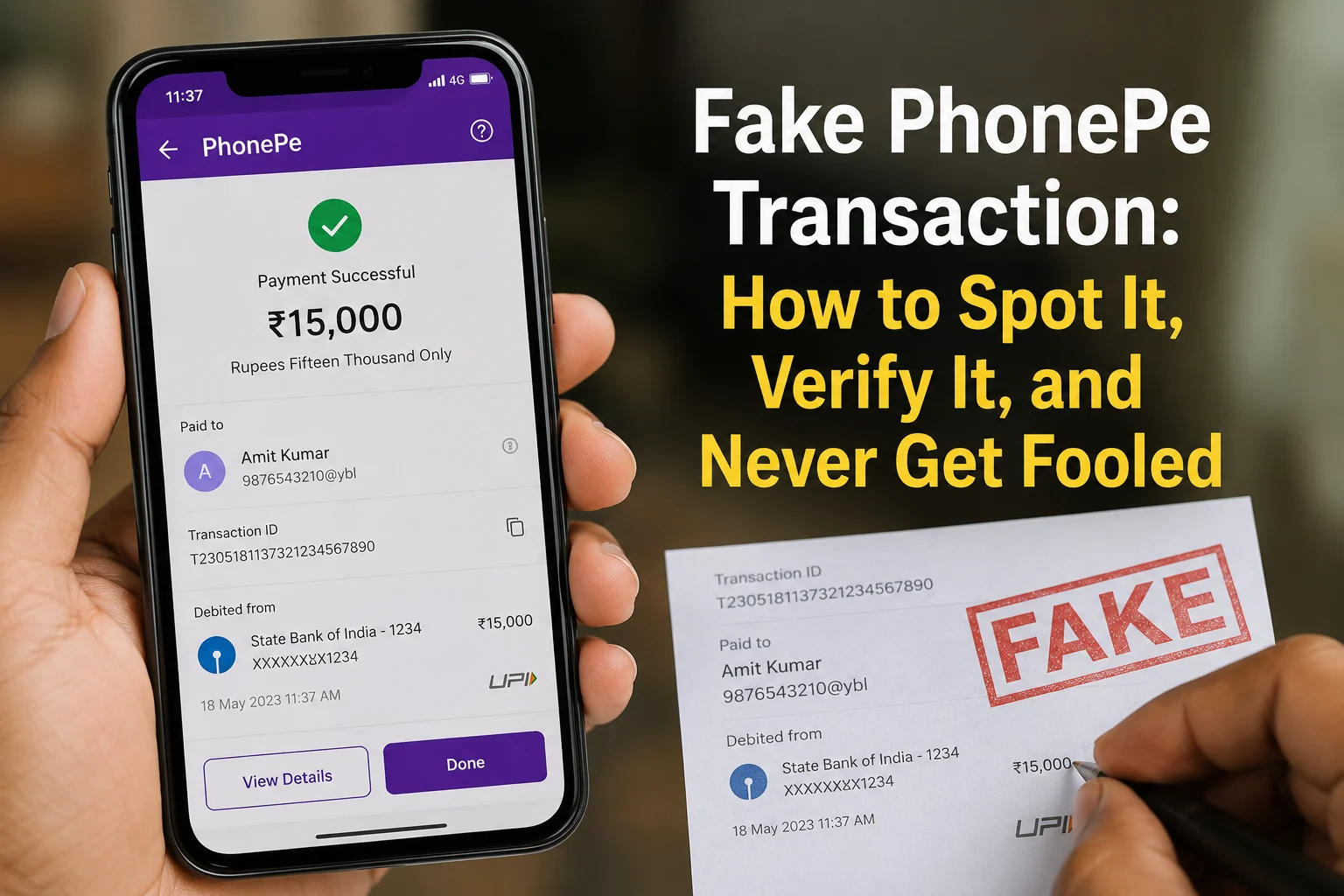
The scammer may ask you to accept a collect request, scan a QR code to receive money, or enter your UPI PIN for a refund. Remember, you do not need to enter your UPI PIN to receive money.
4. Fake Courier or Parcel Scam
The caller says your parcel contains illegal items or has been stopped by customs, police, or a courier company. They may threaten you with legal action and ask you to transfer money to “clear” the case.
5. Loan App Scam
Some callers offer instant loans with no documents. Later, they may demand processing fees, insurance charges, or threaten you by using your contacts and photos if you installed a fake loan app.
6. Fake Job or Work From Home Scam
The caller offers easy online jobs, typing work, review tasks, or Telegram tasks. They may pay a small amount first to build trust and then ask you to deposit money for bigger tasks.
7. Investment and Trading Scam
Scammers may invite you to WhatsApp or Telegram groups promising high returns from stocks, crypto, forex, or trading apps. They may use fake profit screenshots and fake websites to trap you.
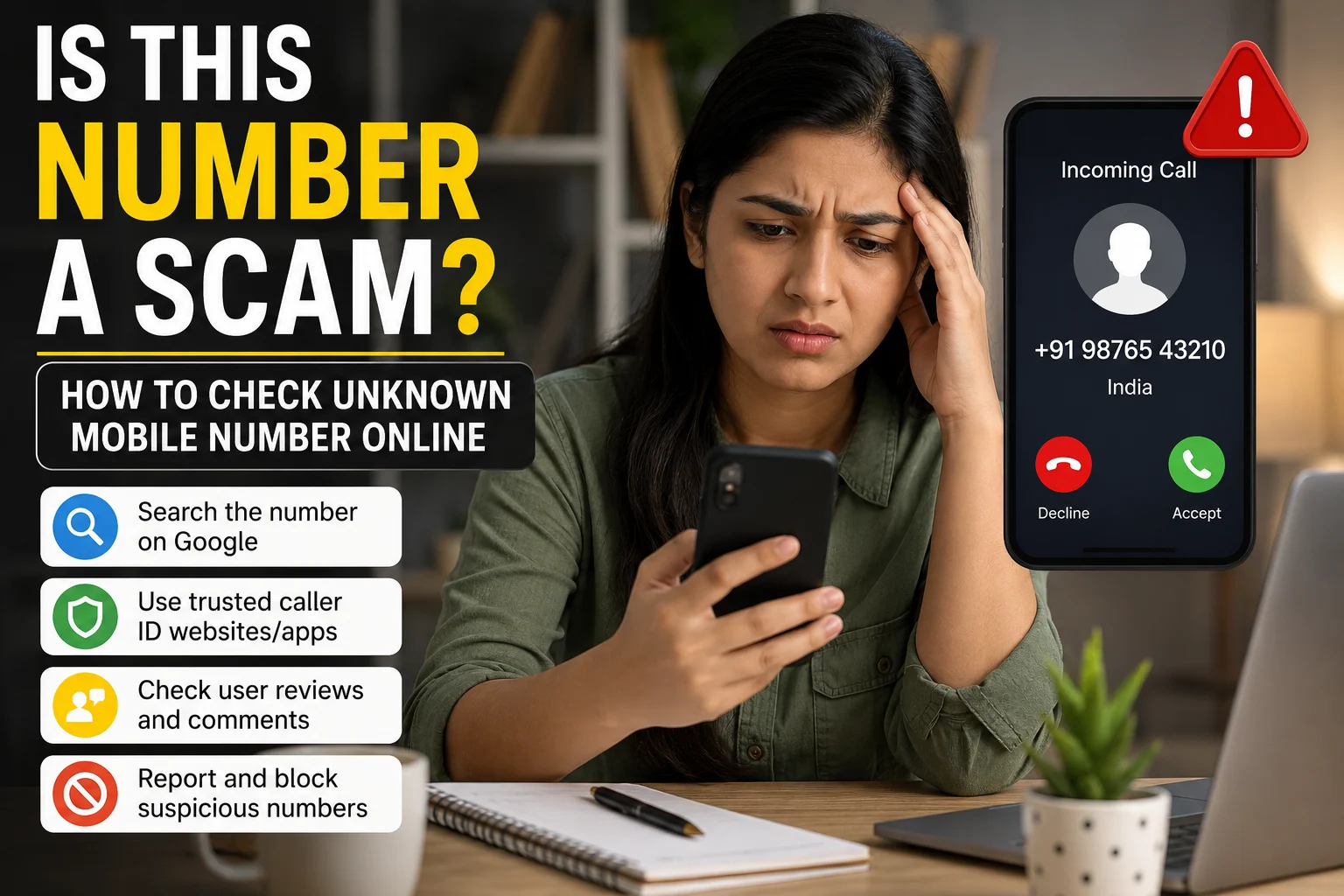
How to Check If an Unknown Mobile Number Is a Scam
Here are practical ways to check a suspicious number online before calling back or replying.
1. Search the Number on Google
The easiest first step is to copy the number and search it on Google. Use different formats:
- Search with the full number
- Search with country code, such as +91
- Search the number with words like “scam”, “fraud”, “spam”, “customer care”, or “complaint”
For example, search:
9876543210 scam
+91 9876543210 fraud
9876543210 fake customer care
If many people have reported the same number, you may find complaints, forum posts, scam alerts, or social media warnings.
2. Check the Number on Caller ID Apps
Caller ID apps can show how other users have saved or reported a number. These apps may label numbers as spam, telemarketing, fraud, delivery, bank, or customer care.
However, do not trust caller ID apps blindly. Sometimes genuine numbers are wrongly marked as spam, and sometimes scam numbers are not yet reported. Use these apps as one signal, not final proof.
3. Check WhatsApp Profile Carefully
Many scammers use WhatsApp because it feels personal and trusted. Save the number temporarily and check the WhatsApp profile.
Look for these warning signs:
- No profile photo
- Fake company logo
- Poor spelling in status or message
- Recently created business account
- Asking for OTP, payment, or personal details
- Pressure to respond quickly
- Sending suspicious links or APK files
A WhatsApp business profile does not automatically mean the number is genuine. Anyone can create a business account with a name and logo.
4. Search on Social Media
Search the number on platforms like Facebook, Instagram, X, Telegram, and LinkedIn. Sometimes scam numbers are posted by victims. You may also find that the number is linked to a fake page, fake seller, or suspicious group.
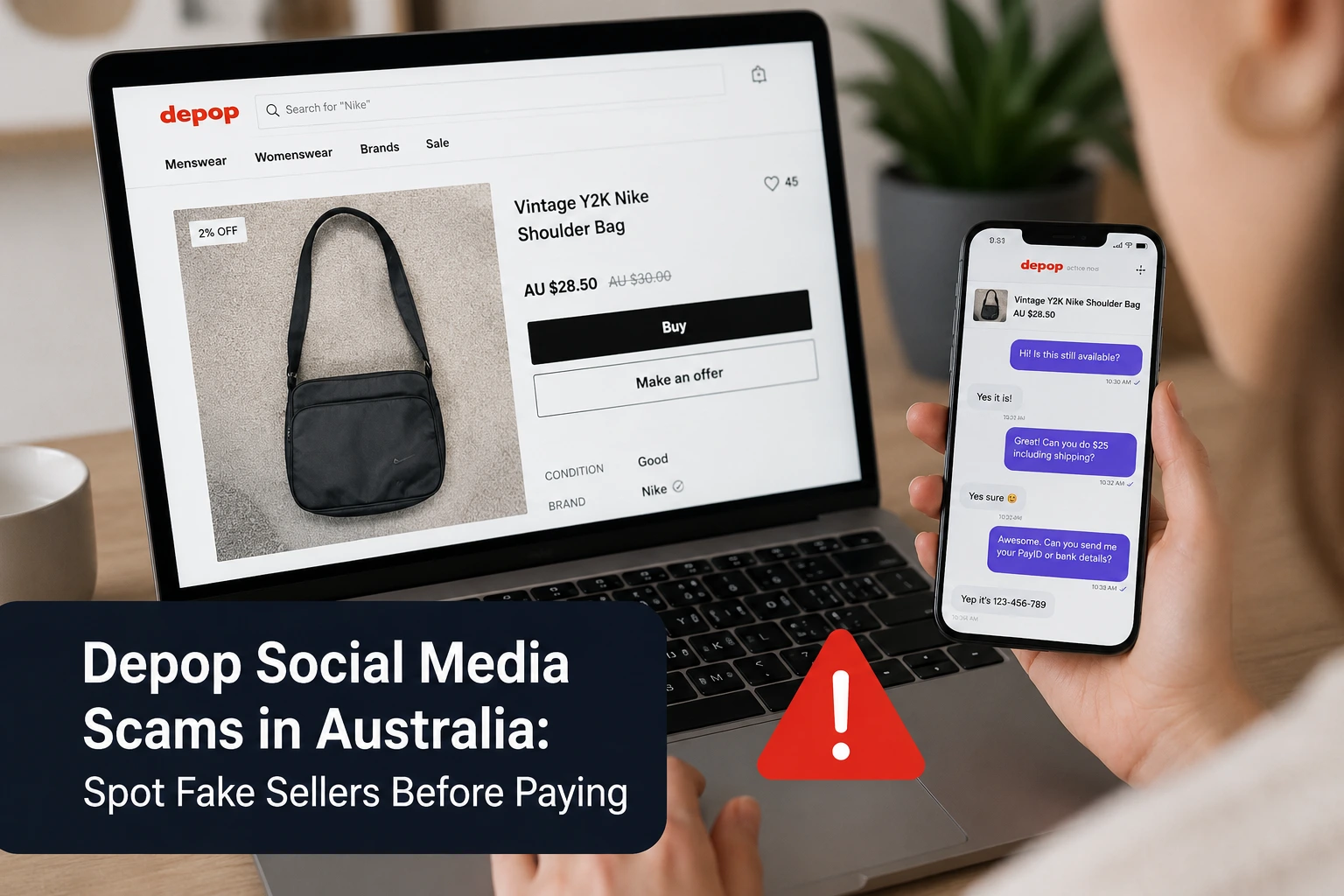
For shopping scams, check whether the number is connected with an Instagram store, Telegram channel, or fake website. If many users are complaining about non-delivery, blocked accounts, or fake products, avoid dealing with that number.
5. Check If the Number Claims to Be from a Company
If the caller says they are from a bank, courier company, e-commerce platform, government office, or loan company, do not trust the number immediately.
Go to the official website of the company and verify the customer care number from there. Do not use numbers found in random Google listings, comments, WhatsApp messages, or social media posts.
For example, if someone claims to be from your bank, call the official number printed on your debit card, bank passbook, or official website. Never call back on the number that contacted you unless you are sure it is genuine.
6. Check the Message Content
Sometimes the number itself may not reveal much, but the message can expose the scam.
Be careful if the message contains:
- “Your KYC will expire today”
- “Your account will be blocked”
- “You have won a lottery”
- “Click this link to claim reward”
- “Download this app for refund”
- “Share OTP for verification”
- “Your parcel has been seized”
- “Pay penalty immediately”
- “Join Telegram for guaranteed income”
These are common scam patterns. Scammers want you to panic or feel excited so you make a mistake.
If the unknown number sent you an SMS or WhatsApp message, you can also check suspicious scam messages online before clicking any link or replying.
7. Do Not Click Suspicious Links
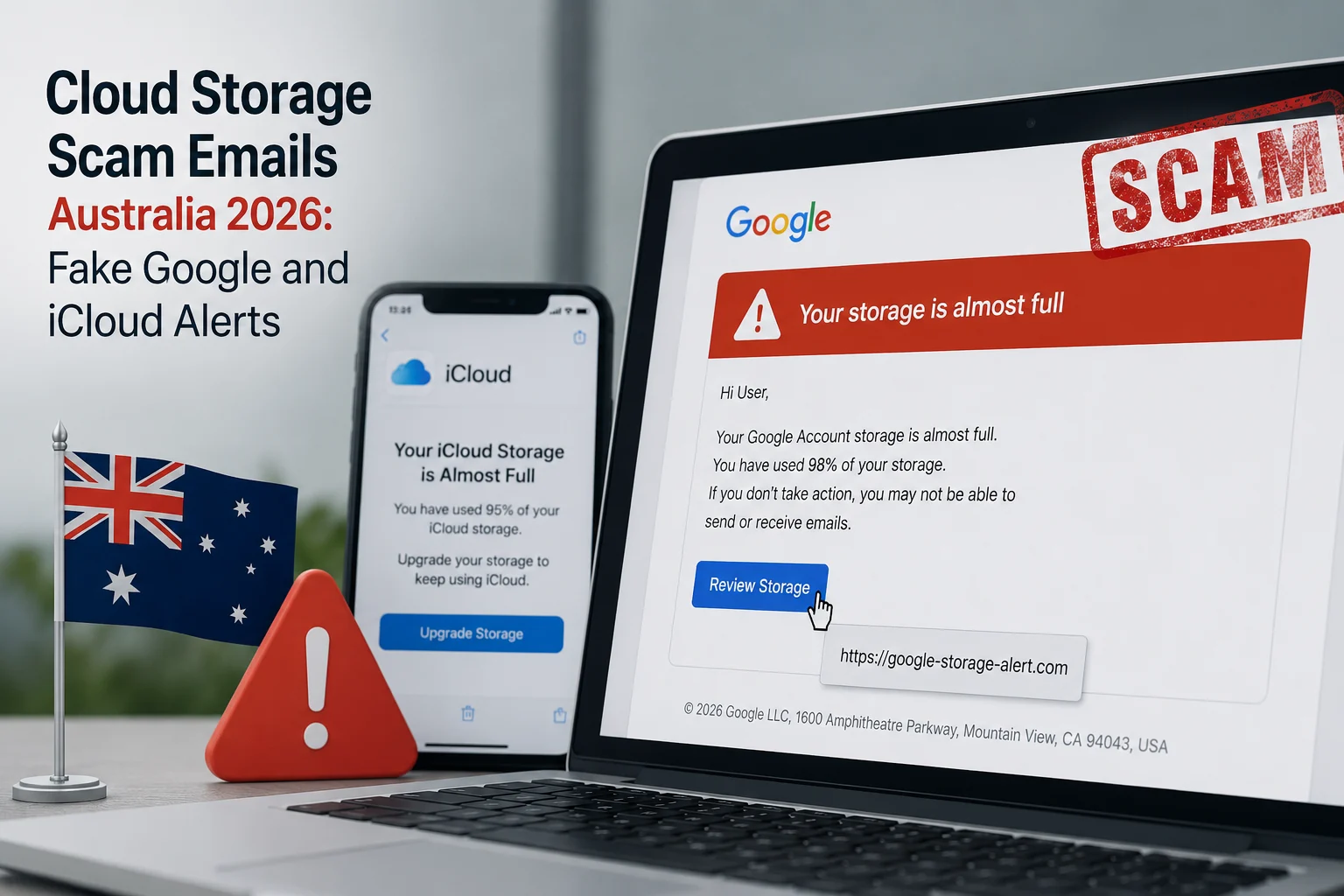
Unknown numbers often send links through SMS, WhatsApp, or email. These links may look like bank pages, courier tracking pages, job portals, or payment pages. But they can be fake websites designed to steal your data.
Before clicking any link, check the domain name carefully. A genuine company website usually has a clean and official domain. Scam websites often use extra words, spelling mistakes, numbers, or strange extensions.
For example, a fake bank website may look similar to the real one but have extra words like “verify”, “update”, “secure-kyc”, or “support”.
Before opening any payment, KYC, courier, or bank link sent by an unknown number, always check if a link is safe using a trusted URL checker.
8. Never Share OTP, UPI PIN, or Password
This is the most important rule. No genuine bank, government officer, police officer, delivery company, or customer care agent will ask for your OTP, UPI PIN, ATM PIN, password, or CVV.
OTP is used to approve transactions or login attempts. If you share it, the scammer may access your account or transfer money. UPI PIN is only used when you are sending money, not receiving it.
If the caller says “just tell me the OTP for verification,” disconnect the call immediately.
9. Do Not Install Apps Suggested by Unknown Callers
Scammers may ask you to install screen-sharing apps, remote support apps, loan apps, trading apps, or APK files. Once installed, these apps can give them access to your screen, messages, contacts, or banking activity.
Never install an app because an unknown caller told you to. Download apps only from official app stores and only after checking the company name, reviews, permissions, and website.
10. Ask Simple Verification Questions
If you are unsure whether the caller is genuine, ask basic questions:
- What is your full name?
- Which company are you calling from?
- What is my customer ID or order ID?
- Can I call your official customer care number?
- Can you send an email from your official company email ID?
Scammers usually avoid proper verification. They may become angry, threaten you, or push you to act quickly. That itself is a warning sign.
Red Flags That an Unknown Number Is a Scam
You should be extra careful if the caller:
- Asks for OTP, PIN, CVV, or password
- Asks you to download an app
- Sends payment links or QR codes
- Creates fear of police, legal case, or account blocking
- Offers unrealistic rewards or profit
- Refuses to verify identity
- Speaks in a threatening or overly urgent tone
- Claims you must act immediately
- Asks for an advance fee
- Moves conversation to Telegram or WhatsApp groups
- Sends APK files or suspicious links
One red flag is enough to pause. Multiple red flags mean you should stop communication immediately.
What to Do If You Answered a Scam Call
If you only answered the call but did not share any information, usually you do not need to panic. Block the number and avoid further communication.
If you shared OTP, PIN, banking details, card details, or installed an app, act quickly:
- Contact your bank immediately.
- Block your debit card, credit card, or net banking if needed.
- Change passwords for important accounts.
- Remove suspicious apps from your phone.
- Report the number on caller ID apps.
- File a cybercrime complaint.
- Inform your family members so they do not fall for the same scam.
Speed matters in financial fraud. The faster you report, the better the chance of stopping or tracing the transaction.
How to Report a Scam Mobile Number in India
If you believe a number is being used for fraud, report it instead of simply ignoring it. Reporting helps protect others.
You can report cyber fraud through the official cybercrime portal or call the cybercrime helpline number 1930 if money has been lost. You can also report spam calls and messages through your mobile operator or spam reporting tools available on your phone.
When reporting, keep these details ready:
- Scam mobile number
- Date and time of call or message
- Screenshot of WhatsApp/SMS
- Payment details, if any
- Bank transaction ID
- UPI ID or account number used by scammer
- Recording of call, if available
- Links or websites shared by the scammer
Do not delete evidence. Screenshots, transaction IDs, and chat history can help in complaint investigation.
Should You Call Back an Unknown Number?
Avoid calling back unknown numbers immediately, especially if they gave a missed call from a strange number or sent a suspicious message. Some scammers use missed call tricks to make people call back. Others use pressure tactics once you respond.
Before calling back, check the number online. If it seems suspicious, block and report it. If it may be important, verify through official channels first.
How to Protect Yourself from Scam Calls
You can reduce risk by following simple habits:
- Do not share personal details with unknown callers.
- Do not trust caller ID alone.
- Keep banking alerts active.
- Use strong passwords and two-factor authentication.
- Keep your phone software updated.
- Do not install unknown APK files.
- Do not scan QR codes to receive money.
- Teach family members about OTP and UPI fraud.
- Verify customer care numbers only from official websites.
- Report suspicious numbers so others can stay safe.
Final Words
Unknown mobile numbers are not always scams, but you should never trust them blindly. A scammer’s biggest weapon is urgency. They want you to panic, click, download, pay, or share details quickly. Your best protection is to pause and verify.
Whenever you receive a suspicious call or message, search the number online, check the WhatsApp profile, verify the company through official sources, and never share OTP, UPI PIN, password, or card details. If the number is linked to fraud, block it and report it.
Before you respond to any unknown number, ask yourself one simple question: is this number trying to help me, or is it trying to make me act without thinking?
Staying alert can save your money, identity, and peace of mind.