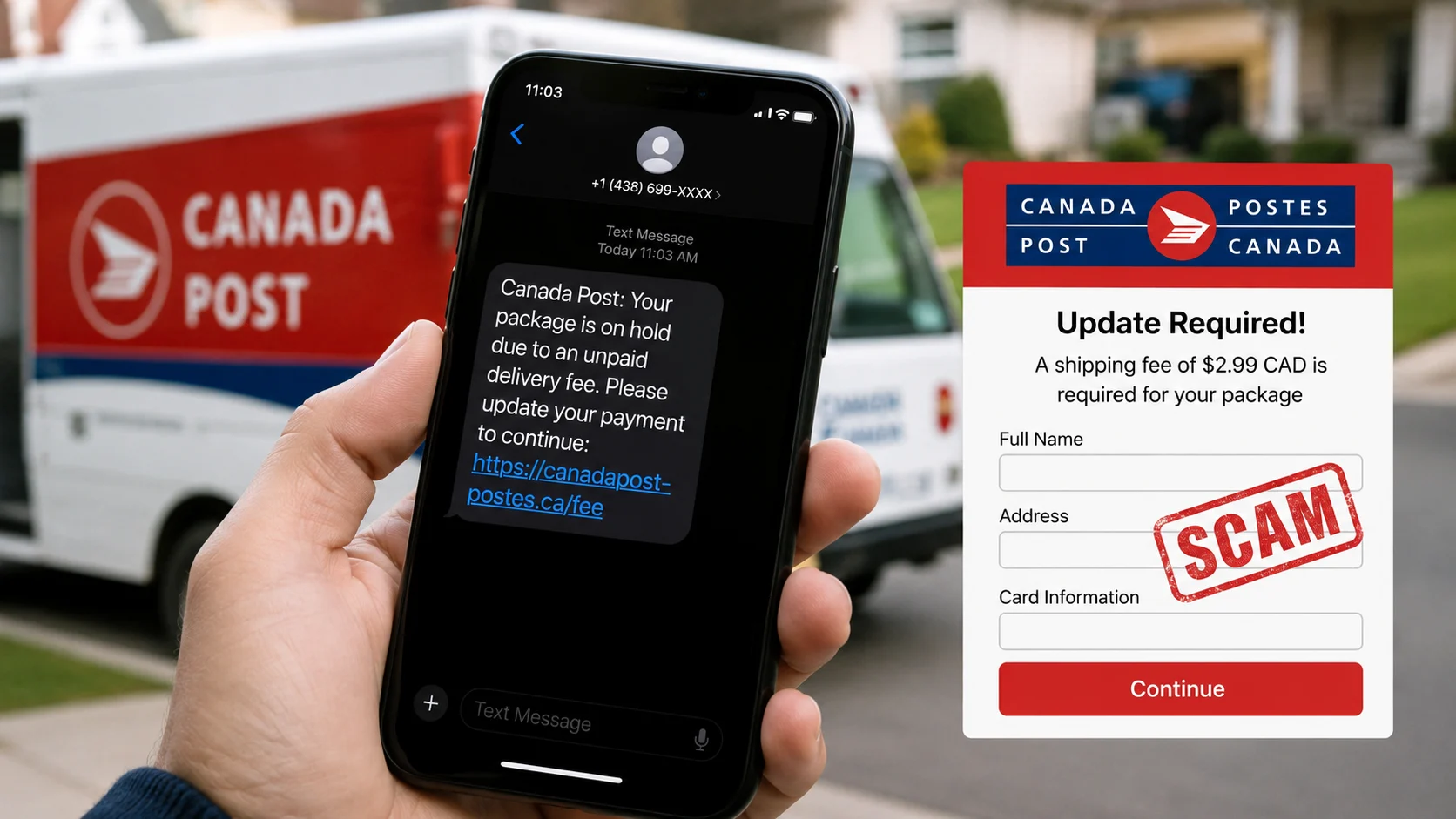
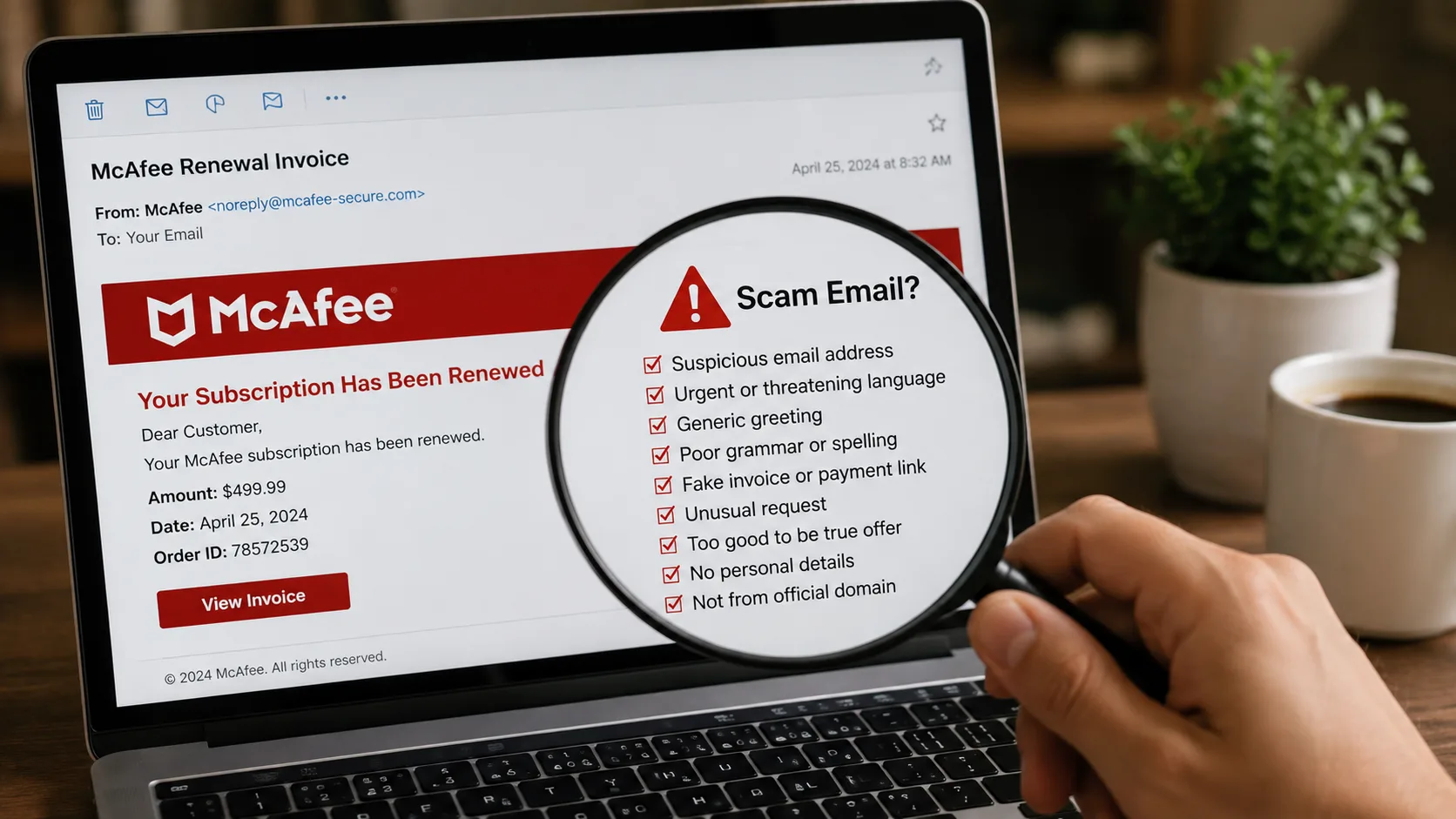
India is going through a massive digital transformation. From UPI payments to online shopping and remote jobs, almost everything is now internet-based. But as digital convenience grows, so do cyber threats. In 2026, online scams in India have become more advanced, smarter, and harder to detect. Fraudsters are using AI-generated messages, fake websites, phishing links, and social engineering tactics to trick innocent users.
If you’ve ever wondered, “Is this link safe?” or “Is this website real or fake?”, this article will help you understand the latest scam trends and how to protect yourself.
1. AI-Powered Phishing Scams
Phishing is no longer just about poorly written emails. Phishing scams in 2026 have even made use of AI tools to compose very convincing phishing messages.
How it works:
- You get an email or text message that seems to be from your bank or a major brand.
- There is an urgent warning in the message, for example: “Your account will be blocked in 2 hours.”
- Clicking a link and entering login details is requested.
These phishing link scams are so realistic. Nowadays, fake websites even replicate the exact look of original websites, so it becomes incredibly hard to spot a fake website.
How to protect yourself:
- Always check the website URL carefully.
- Look for spelling errors in domain names.
- Use a reliable scam checker before entering sensitive details.
2. UPI Fraud & Payment Request Scams
UPI has simplified digital payments, however, it has also attracted a significant number of fraudsters.
Common UPI scam trends in 2026:
- Fake payment request links.
- QR code scams.
- Screen-sharing app fraud.
- “Refund” scams where scammers pretending to send money ask for payment instead.
Numerous individuals get defrauded when they approve a “collect request” under the misconception of receiving funds. Keep in mind: You never need to enter your UPI PIN to get money.
Safety Tips:
- Never disclose your UPI PIN to anyone.
- Do not scan QR codes if they are sent by unknown persons.
- Confirm payment requests before granting permission.
3. WhatsApp Scam Messages & Fake Links
WhatsApp scams have seen a rapid rise in India. Many times, fraud messages either make panic or excitement among people.
Examples of WhatsApp scam messages:
- “You have won ₹25,000 in lucky draw!”
- “KYC update required immediately.”
- “Click this link to avoid SIM block.”
These messages contain malicious links that redirect to phishing websites. Some even install malware on your device.
How to identify fake WhatsApp messages:
- Unknown sender numbers.
- Suspicious shortened links.
- Poor grammar or urgent tone.
- Requests for OTP, Aadhaar, or bank details.
If you receive a suspicious WhatsApp message, do not click the link. Report and block the sender immediately.
4. Fake Job Offer Scams
With remote jobs and work-from-home opportunities increasing, fake job offers have become one of the biggest scams in India.
How fake job scams work:
- You receive a job offer via email or WhatsApp.
- The offer letter looks professional.
- You are asked to pay a “registration fee” or “security deposit.”
- The scammer disappears after payment.
Some fraudsters even conduct fake interviews to build trust.
How to check if a job offer is fake:
- Verify company website authenticity.
- Check official email domain (avoid Gmail-based recruiters).
- Search for company reviews.
- Never pay money for a job offer.
Legitimate companies do not charge money for hiring.
5. Fake E-commerce & Online Shopping Scams
Online shopping scams are increasing, especially during festival seasons.
Warning signs:
- Massive discounts (70–90% off).
- No customer support details.
- No refund or return policy.
- Recently created domain names.
These fake websites collect payment but never deliver products.
Before shopping:
- Check website reputation.
- Search for reviews.
- Use secure payment methods.
6. OTP & SIM Swap Fraud
In 2026, SIM swap scams are more sophisticated.
What happens:
- Fraudsters gather your personal details.
- They convince telecom providers to issue a duplicate SIM.
- They receive your OTPs.
- They access your bank accounts.
If your mobile network suddenly stops working, contact your telecom provider immediately.
Never share OTPs with anyone — even if they claim to be bank officials.
7. Investment & Crypto Scam Schemes
Scammers are promoting fake investment apps promising high returns.
Common tactics:
- Guaranteed 2x returns in 30 days.
- Fake celebrity endorsements.
- Referral bonus traps.
Once you deposit money, the app blocks withdrawals.
Always remember:
If an investment sounds too good to be true, it probably is.
8. Fake Customer Care & Helpline Numbers
Many fraudsters create fake customer care numbers and rank them online.
When users search for support numbers, they end up calling scammers.
How they scam:
- Ask for remote access apps.
- Request card details.
- Ask for OTP verification.
Always visit official websites to get verified customer support numbers.
How to Check If a Website or Link is Safe
Before clicking any suspicious link, follow these steps:
- Check the URL carefully.
- Avoid clicking shortened links.
- Look for HTTPS and proper domain spelling.
- Use a trusted website checker tool.
- Search online for scam complaints.
If you are unsure whether a website is legit or fake, do not share personal information.
How to Report Online Scams in India
If you become a victim of cyber fraud:
- Call the national cybercrime helpline: 1930
- Report online at the official cybercrime portal.
- Inform your bank immediately.
Quick reporting increases the chance of recovering lost funds.
Final Thoughts
Online frauds in India keep changing their tricks very fast in 2026. Cyber hackers are always inventing new schemes, such as phishing link scams, fake websites, WhatsApp fraud messages and UPI scams.
The greatest weapon against such crime is being aware. Always check the authenticity of links, thoroughly inspect websites and strictly avoid sharing your confidential data without a confirmation.