Mobile phones have changed the way we live. Today, a single phone can handle calls, messages, banking, shopping, and so much more.
But this convenience has a dark side.
In 2026, scammers in India are more active than ever before. They are using fake calls, misleading SMS messages, OTP tricks, and impersonation tactics to rob people of their money and personal information.
The biggest problem is that most people do not even know they have been scammed until it is too late. They check their bank account and the money is already gone. The scammer’s number is switched off. And there is no way to undo the damage.
This is why knowing about these scams is so important.
You do not need to be a tech expert to protect yourself. You just need to know what to watch out for.
In this guide, we will cover the top 7 phone and SMS scams that are targeting Indians right now. We will explain how each scam works, what warning signs to look for, and what you can do to stay safe.
Read it. Share it. And make sure your family knows about it too.
1. OTP Scam Calls & Messages
OTP fraud is one of the most common phone scams in India right now.
What happens:
You get a call from someone who says they are from your bank, courier company, or telecom company. They sound serious and worried. They say something like — “Your account will be blocked soon” or “There is a problem with your SIM.”
Right after that, an OTP comes on your phone.
Now they ask you to share that OTP with them. They say it is just for “verification.”
But here is the truth —
That person is a fraudster. The OTP is the key to your bank account or your online profile. The moment you share it, they get inside.ount or change your password.
How to stay safe:
- Never share your OTP with anyone — not even someone who sounds like a bank employee.
- Real banks never ask for your OTP on a call. This is a strict rule.
- If you feel something is wrong, just hang up. Then call your bank directly using the number on their official website or the back of your debit card.
Remember: An OTP is like your ATM PIN. It is private. It is only for you.
2. Fake Bank SMS Phishing
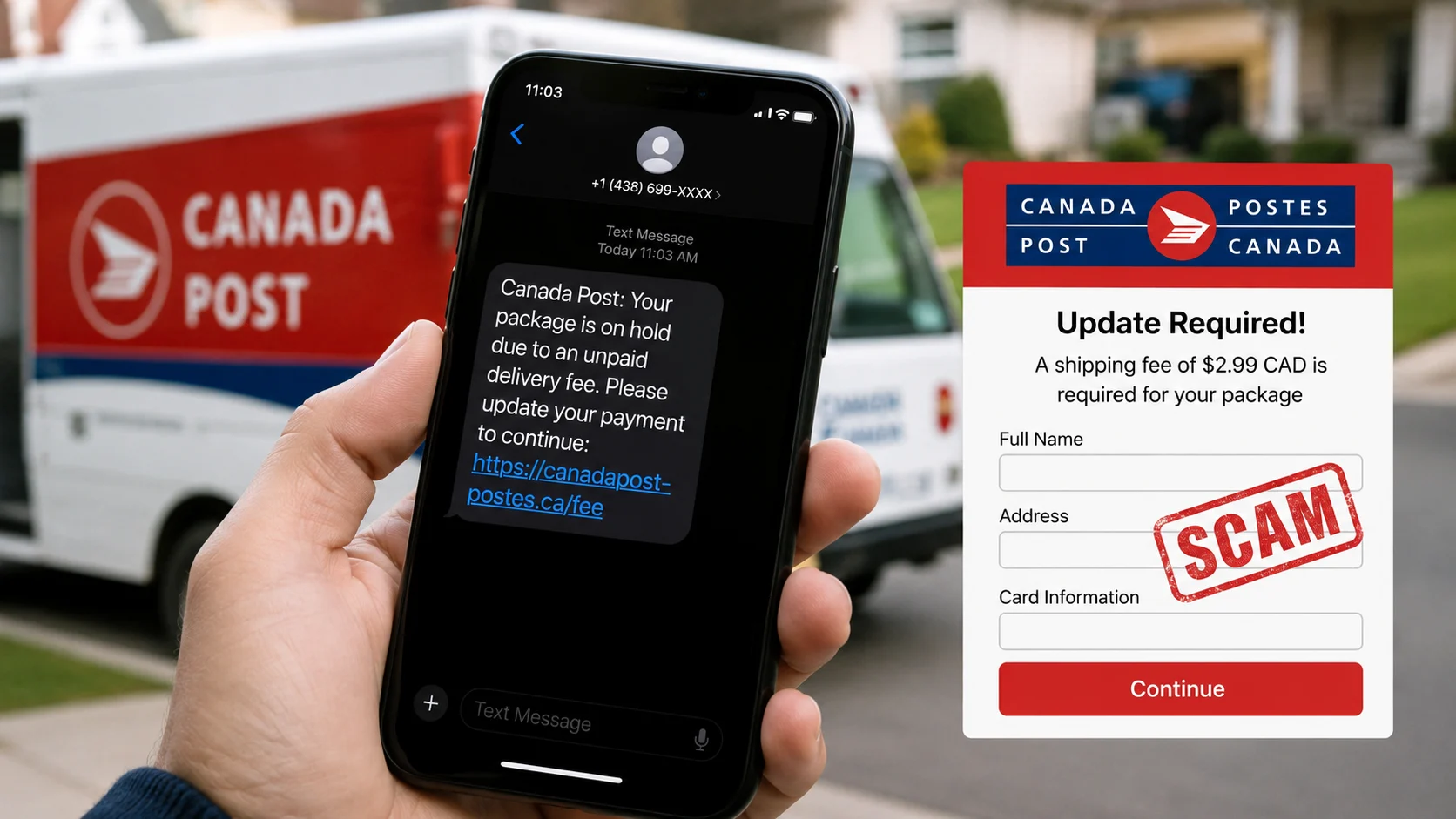
Fake SMS scams are growing fast in India. These are called smishing — a mix of SMS and phishing.
What these messages look like:
You get an SMS that says something like —
“Your account will be frozen. Click here to update KYC.” “Suspicious transaction detected. Verify immediately.”
The message looks real. It feels urgent. And it has a link.sites that look like official bank portals.
What happens when you click:
That link takes you to a fake website. It looks exactly like your bank’s official site — same logo, same colors, same design.
You type in your username and password.
And just like that — the scammer now has your login details. Your account is in their hands.
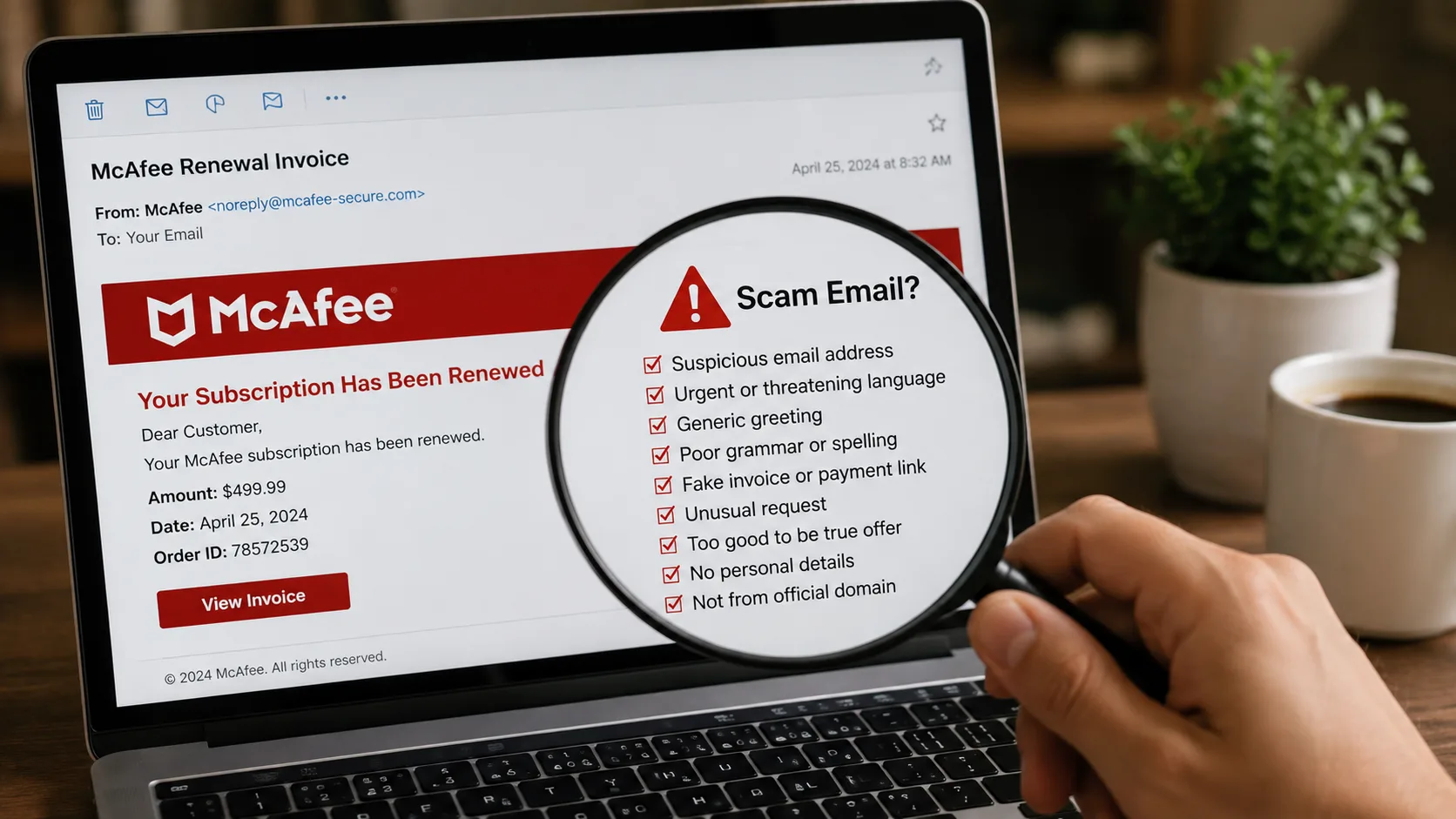
How to spot a fake SMS:
- Shortened links — like bit.ly/xyz123. Real banks never send these.
- Panic language — words like “immediately,” “urgent,” “will be frozen.” This is done to stop you from thinking clearly.
- Unknown number — the sender is not a saved contact or a known bank ID.
Before you click any link, ask yourself:
Did I ask for this message? Is this link from an official source? Does something feel off?
3. UPI Collect Request Scam
UPI scams are one of the most common financial frauds in India.
How scammers trick victims:
- They send a “collect request” on your UPI app.
- They say they are sending money.
- Victims enter UPI PIN thinking they are receiving money.money.
Remember: You do not need to enter your UPI PIN to receive money.
Entering your PIN approves payment, meaning money is sent to the scammer.
Safety tips:
- Check payment requests carefully.
- Don’t approve unknown collect requests.
- Check sender information.
4. Lottery & Prize Winning SMS
“Congratulations! You have won ₹25,00,000!”
If you’ve ever received such a message, it’s almost certainly a scam.
How it works:
- You’re told you won a lottery or lucky draw.
- You’re asked to pay a “processing fee” or “tax.”
- Once paid, the scammer disappears.
No legitimate lottery asks for money before releasing winnings.
Warning signs:
- International numbers.
- Poor grammar.
- Unrealistic prize amounts.
If it sounds too good to be true, it probably is.
5. Fake Customer Care & Support Calls
Scammers usually pose as customer service personnel from banks, online shopping sites, or telecom operators.
Their tactics:
- They will say there is a refund due.
- They will say there is suspicious activity in your account.
- They will ask you to download a remote access tool such as screen sharing software.
Their goal: Once installed, they can view your screen and steal your banking information.
Protect yourself:
- Never install apps suggested by unknown callers.
- Only contact support using official website numbers.
- Do not share card details or CVV.
6. SIM Swap Scam
SIM swap fraud is extremely risky because it enables the fraudster to intercept your OTPs.
How it happens:
- The fraudster collects your personal information.
- They ask for a copy of your SIM card from your telecom company.
- Your SIM card becomes useless.
- They gain access to your bank accounts through OTP verification.
What to do:
- If your mobile phone suddenly goes out of network, inform your telecom company immediately.
- Set up SMS notifications for your bank transactions.
- Protect your Aadhaar and ID information.
7. Loan App & Instant Credit Scams
Fake loan apps are trapping thousands of people.
How these scams operate:
- You download a loan app that promises instant approval.
- The app requests access to your contacts and gallery.
- If you don’t pay on time, the fraudsters threaten to share your photos or contacts.
These apps use harassment and blackmail tactics.
How to stay safe:
- You download apps only from the official app store.
- You read reviews before installing an app.
- You avoid apps that request unnecessary permissions.
How to Identify a Phone or SMS Scam
Here are common patterns across most scams:
- Urgency (“Act now or account blocked”)
- Fear (“Legal action will be taken”)
- Greed (“You won a prize”)
- Requests for OTP, PIN, or payment
- Suspicious links
Scammers rely on panic and emotional reactions. Always pause and verify.
What To Do If You Receive a Scam Call or SMS
- Do not respond or click links.
- Block the number.
- Report suspicious messages.
- Inform your bank if you shared sensitive information.
- Call the national cybercrime helpline: 1930 (India).
Quick action increases the chances of preventing financial loss.
How to Protect Yourself from Phone & SMS Scams
- Enable two-factor authentication.
- Use official banking apps only.
- Do not share personal details over phone.
- Avoid clicking unknown links.
- Keep your mobile software updated.
- Educate family members, especially elderly people.
Cybercriminals often target senior citizens who may not recognize scam tactics.
Final Thoughts
In 2026, phone and SMS scams are becoming smarter. Scammers are always inventing new ways of betrayal, from OTP scams to bank messages, UPI scams, and lottery scams.
The best part? Most scams have predictable patterns.
If you stay alert, verify links, and never share OTP or PIN details, you can avoid becoming a victim.
Always remember these tips:
- Do not fall for urgent financial messages.
- Do not share OTP information.
- Do not click on suspicious links.
Digital awareness is your strongest shield against cyber fraud.