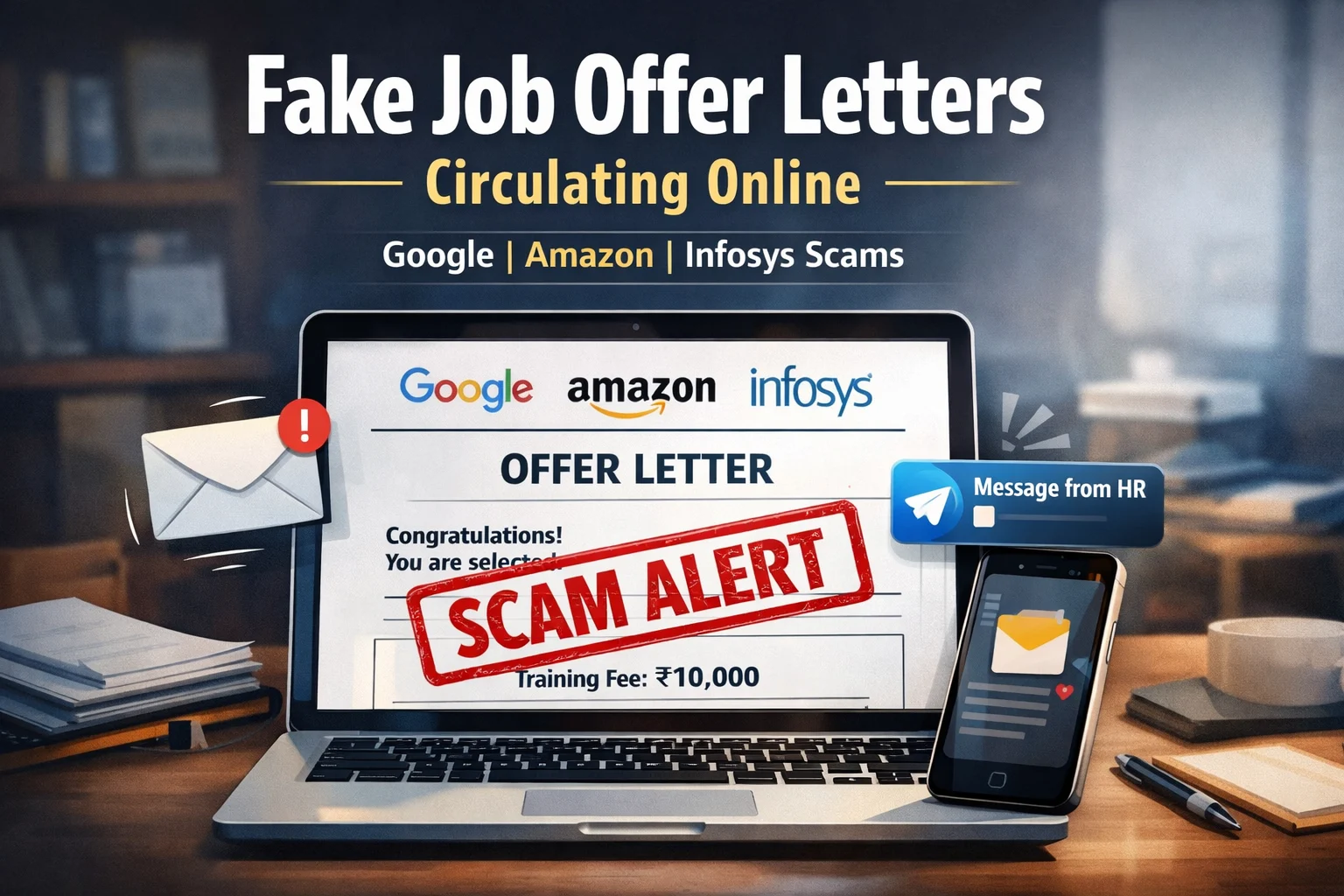
Online job scams are rising at a rapid rate in India. Every year, thousands of job seekers receive fake job offer letters claiming to be from top companies like Google, Amazon, and Infosys. These are mostly job scams targeting freshers and those actively searching for jobs.
The scammers send job offer letters that are professionally designed and come through emails or social media like WhatsApp, Telegram, or other job portals. The job offer letters seem genuine at first glance. They are designed to resemble actual job offer letters from companies. However, the real purpose of these job offer letters is very simple: to scam people of their money or other details.
In this article, we will see actual examples of job offer letter scams, how job offer letter scams are conducted, and how you can protect yourself from job offer letter scams.
Why Fake Offer Letter Scams Are Increasing
Job fraud has become an important concern as most job seekers are desperate to find employment as soon as possible. Scammers take advantage of the desperation of the job seekers.
They often impersonate well-known companies such as:
- Amazon
- Infosys
These companies have a good reputation in the market. Therefore, most people will trust emails that claim to be from these companies.
Once the victim believes that they have been sent the email from the company, they will be asked to fill out an application form and upload their resume.
Real Example 1: Fake Google Offer Letter Scam
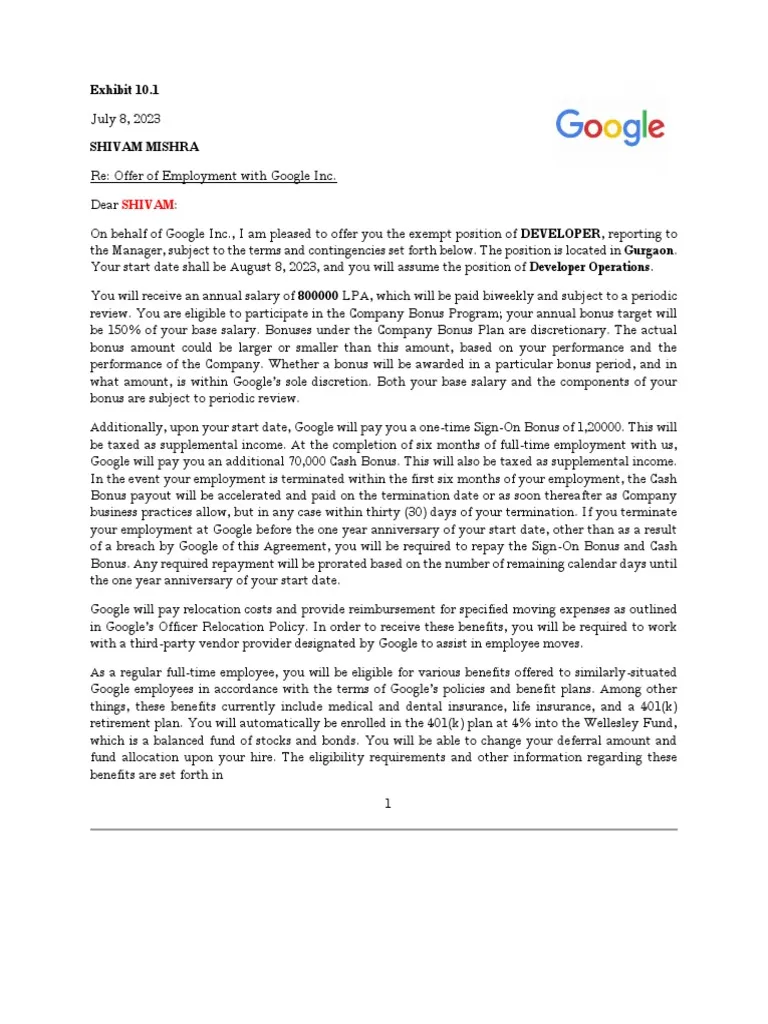
Scammers frequently use the name of Google to send fake job offers.
How the scam works
- Victims receive an email claiming to be from Google HR.
- They are told they have been selected without an interview or after a fake online test.
- A professional-looking PDF offer letter is attached.
- The victim is asked to pay ₹5,000 – ₹25,000 for training or security deposit.
Red flags in fake Google offer letters
- Email comes from Gmail or random domains
- HR contact through Telegram or WhatsApp
- Request for payment before joining
- Unrealistic salary for freshers
Remember: Google never asks candidates to pay money during hiring.
Real Example 2: Amazon Job Offer Letter Scam
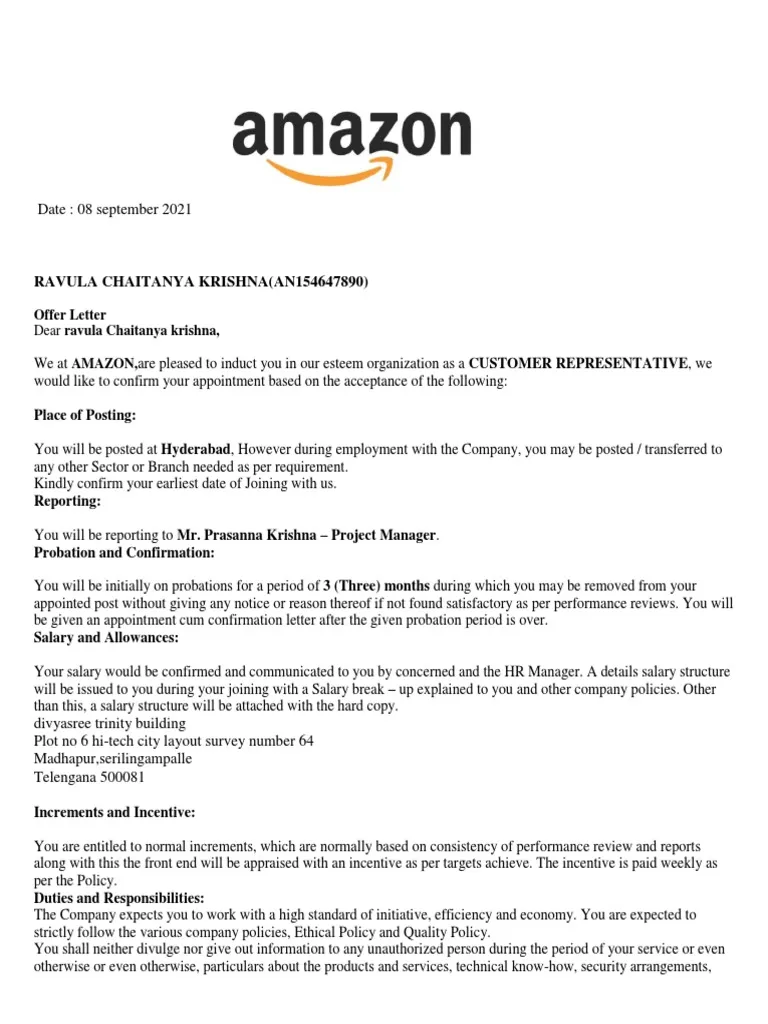
Another common fraud involves fake offer letters pretending to be from Amazon.
How victims are targeted
Scammers post fake job ads on platforms like:
- Telegram groups
- WhatsApp job groups
- Fake job portals
Once someone applies, they receive a fake Amazon appointment letter.
What the scam message usually says
- “Congratulations! You are selected for Amazon Warehouse Executive.”
- “Immediate joining available.”
- “Pay security deposit for ID card and training.”
Victims are asked to transfer money through:
- UPI
- Paytm
- Bank transfer
After payment, the recruiter disappears.
Real Example 3: Infosys Fake Recruitment Letter
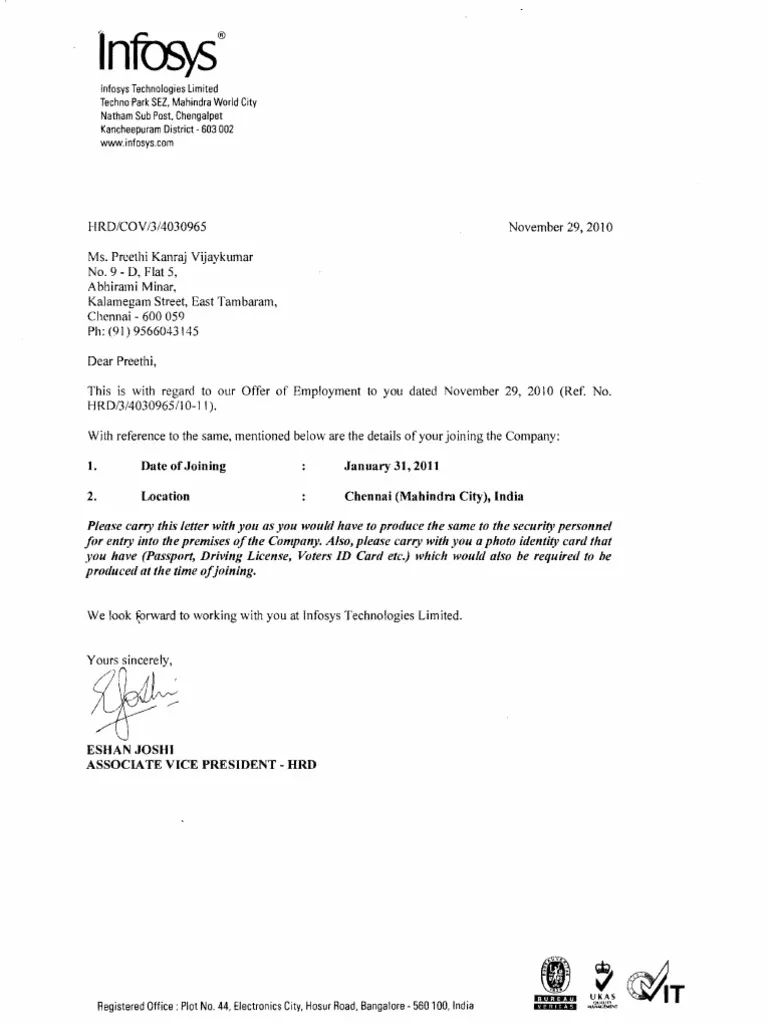
Many scams also misuse the name of Infosys.
Typical process
- Candidate receives a call claiming to be from Infosys HR.
- They conduct a fake telephonic interview.
- Within hours, a PDF offer letter is sent.
- The candidate is asked to pay document verification or onboarding fees.
Major warning signs
- HR email not from @infosys.com
- Interview done only through Telegram chat
- Payment requested for background verification
Infosys has repeatedly warned job seekers that they never charge recruitment fees.
Also Check: Is This Link Safe? How to Check a Suspicious URL Before Clicking
Common Signs of Fake Offer Letters
If you get an offer of a job, check the above warning signs carefully.
1. Payment Request
Real companies will never ask for money during the hiring process.
The scammers may ask for:
- Security deposit
- Training fee
- Laptop charges
- Background verification fee
This is the biggest warning sign.
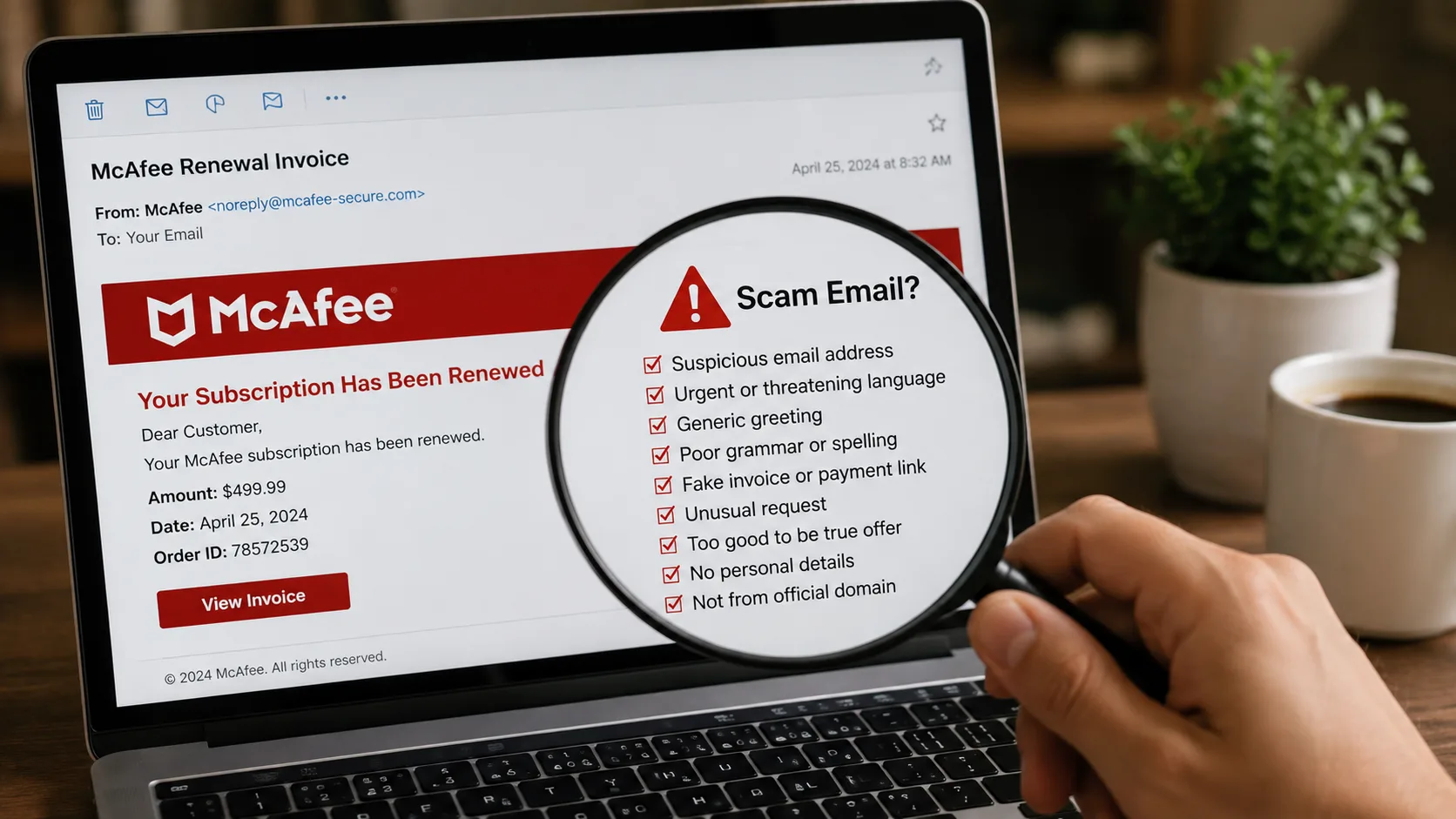
2. Suspicious Email Address
Real companies use official domains such as:
- @google.com
- @amazon.com
- @infosys.com
Fake recruiters usually use emails like:
3. No Proper Interview
Many victims report receiving offers:
- Without interview
- After a very short online test
- After a Telegram chat
This is not how genuine companies hire employees.
4. Urgent Payment Pressure
Scammers create panic with messages like:
- “Offer valid for 24 hours.”
- “Submit payment immediately to secure your position.”
Real recruiters never pressure candidates like this.
Why These Scams Look So Real
Scammers today are using advanced technology to make these fake offer letters appear legitimate.
They often include:
- Company logos
- Fake HR signatures
- Employee ID numbers
- Office addresses
- Salary breakdowns
These fake documents are now being made to include QR codes and official layouts.
Check: Common digital banking fraud types growing in India (avoid these mistakes)
How to Verify a Job Offer
Before trusting any job offer, follow these steps.
1. Verify the company’s official website
You should check whether the company has listed the job on its official careers page or not.
2. Verify the recruiter
You should check whether the HR person is from a legitimate company or not by searching on LinkedIn.
3. Check the email domain
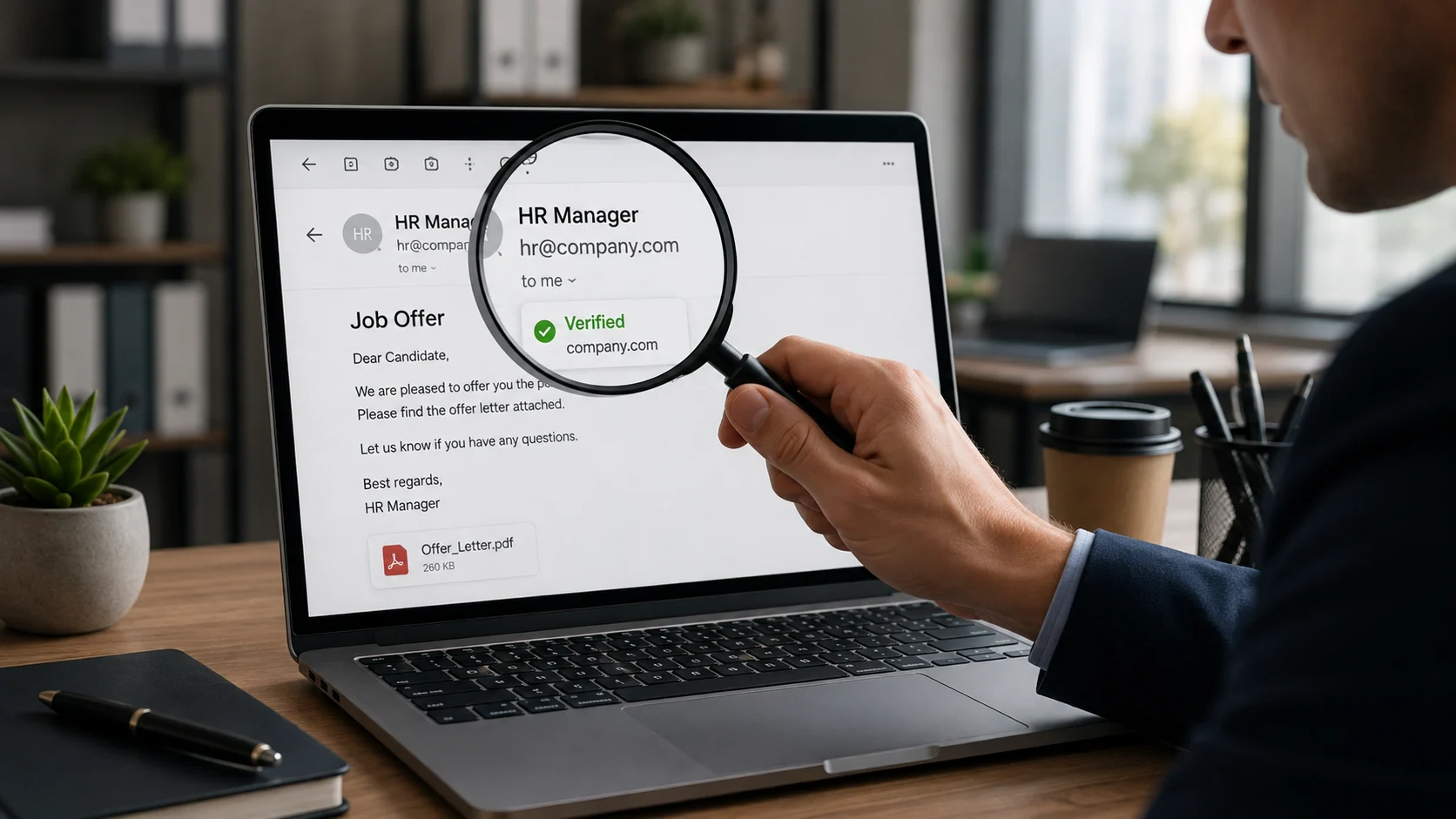
Recruiters from legitimate companies should always use company domains.
4. Contact the company directly
You can verify the legitimacy of recruitment emails by contacting the company’s official HR department.
5. Verify Your Offer Letter Online
You can use ScamDekho to verify whether your job offer letter is fake or genuine within minutes.
What To Do If You Receive a Fake Offer Letter
If you suspect a scam:
Do NOT pay any money
Never transfer funds for job offers.
Report the scam
You can report online job scams on:
- National Cyber Crime Portal
- Local cyber police station
Inform others
Sharing information about scams helps prevent others from becoming victims.
Tips to Stay Safe From Job Scams
Follow these simple safety tips:
✔ Never pay for job offers
✔ Avoid recruiters contacting you via Telegram
✔ Always verify company email domains
✔ Never share sensitive documents quickly
✔ Search online if others reported the same scam
Being cautious will help you avoid financial loss and identity theft.
Conclusion
Fake job offer scams with company names like Google, Amazon, and Infosys are becoming very common. These job offer scams are a way for scammers to dupe innocent job seekers by promising high-paying job opportunities and asking for fake payments.
It is very important to understand that genuine companies never demand money for the recruitment process. If you receive a job offer letter, take some time to verify it.
The best way to avoid job offer scams is to be alert and knowledgeable.
FAQs (For SEO + Featured Snippet)
1. How do fake job offer letter scams work?
Scammers send fake job offer letters pretending to be from big companies like Google, Amazon, or Infosys. They usually ask victims to pay training fees, security deposits, or document verification charges before joining.
2. Do companies like Google or Amazon charge recruitment fees?
No. Companies like Google, Amazon, and Infosys never ask candidates to pay money for recruitment, interviews, or onboarding.
3. How can I verify if a job offer is real?
You can verify a job offer by checking the company’s official website, confirming the recruiter’s email domain, and contacting the company’s HR department directly.
4. What should I do if I receive a fake job offer letter?
Do not pay any money. Report the scam to the National Cyber Crime Portal and warn others about the fraudulent recruiter.
5. Why do scammers use big company names?
Scammers use well-known company names because people trust these brands, making it easier to trick job seekers into believing the offer is real.