Multiple individuals have reported being cheated by someone following the same pattern of behavior. The alleged fraud involves building false trust, using social engineering tactics, and requesting large UPI transfers before cutting off contact. This post is published purely for public awareness. No victim identities are disclosed anywhere in this report.
Reported Loss: ₹1,95,000 | States Mentioned in Complaints: 3 | Reported Victims: 2 or more
Important Notice
This blog post is published purely for public awareness. All victim identities are kept strictly private. The pattern described here is based on complaints reportedly filed with cybercrime authorities. If you have had a similar experience, please report it immediately at cybercrime.gov.in or call 1930.
1. About This Case
Complaints have been received regarding an individual allegedly operating from one region of India. According to victims, this person presents themselves as trustworthy and well-connected, building a false sense of credibility before making financial requests.
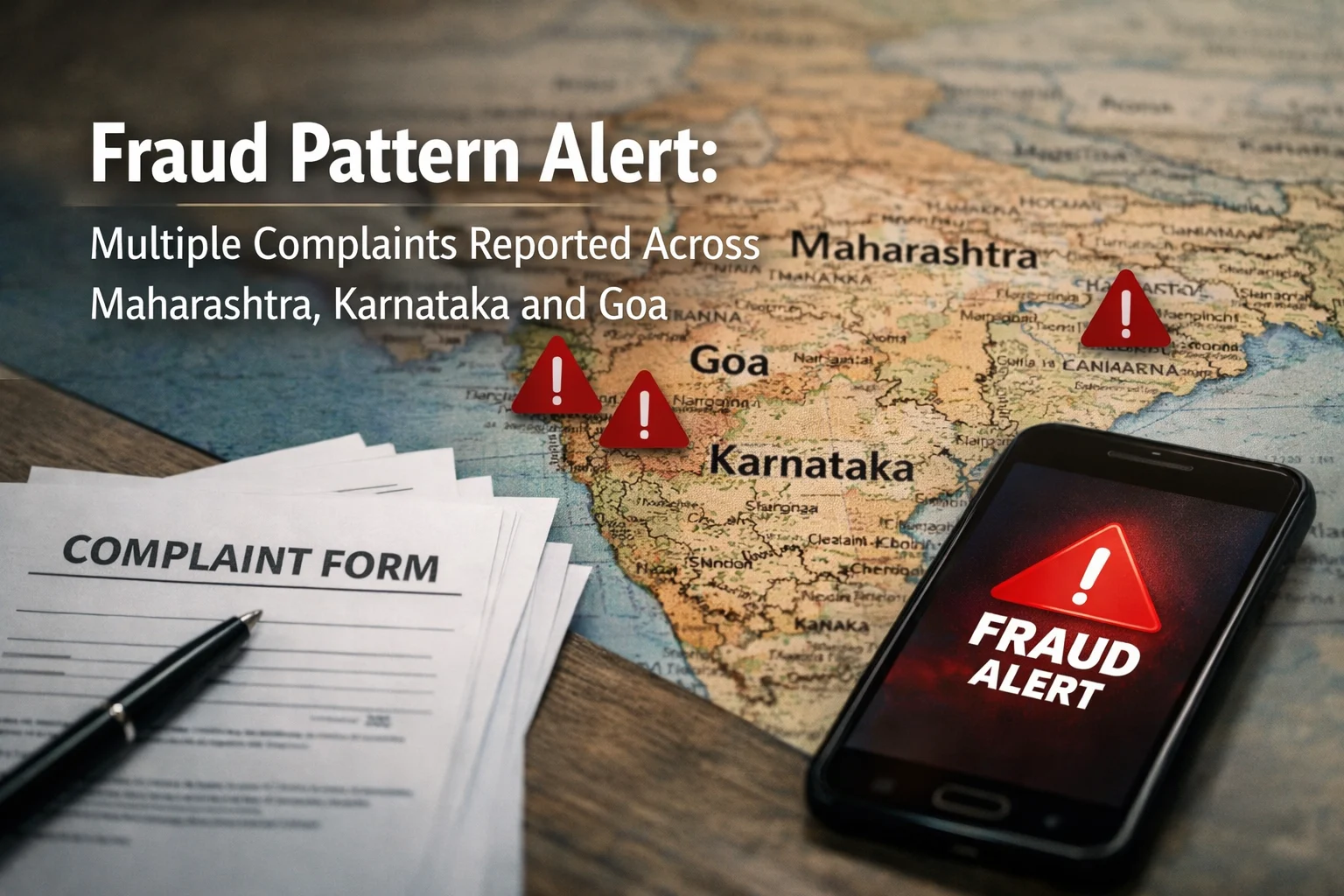
Complaints have come from victims across Maharashtra, Karnataka, and Goa, suggesting the individual may deliberately target people who are geographically distant, making it harder for them to take immediate action.
The individual is reportedly reachable through multiple phone numbers and social media profiles. Victims claim that complaints have been filed with authorities, and the matter is reportedly under legal process.
2. The Alleged Pattern — As Reported by Victims
The following pattern has been described consistently across multiple complaints.
Stage 1 — Building trust Contact is reportedly made through social media or mutual acquaintances. Victims describe the person as charming, responsive, and attentive. This phase reportedly continues for days or weeks before any financial request is made.
Stage 2 — Creating a believable situation A situation is presented that appears to require urgent financial help, such as a business opportunity, a personal emergency, or a favour. Victims describe the story as specific and emotionally compelling.
Stage 3 — Requesting large UPI transfers Victims report being asked for large transfers via UPI, often in amounts close to ₹1 lakh, sometimes in multiple transactions within the same day.
Before sending money, you can verify suspicious requests using our UPI QR checker tool
Stage 4 — Communication changes after payment Victims reported that communication changed significantly after payment was made. Responses became infrequent, excuses were offered, and in some cases contact stopped entirely.
Stage 5 — Pattern repeats The same pattern of behavior has reportedly been described by more than one victim, with similar amounts and similar methods mentioned across separate complaints.
A Closer Look at the Reported Incident
In one complaint, two separate UPI transactions of ₹97,000 and ₹98,000 were reportedly made within the same evening, approximately 24 minutes apart, to the same recipient account (as per complaint). The total reported loss in this single incident is ₹1,95,000. A cybercrime complaint has reportedly been filed and acknowledged. Legal proceedings are said to be ongoing.
3. Warning Signs to Watch For
If someone you have recently met online matches several of these patterns, exercise caution before transferring any money.
Requests for large UPI transfers, particularly amounts close to ₹1 lakh per transaction, especially if asked for quickly or urgently.
Multiple transfer requests within the same day or within a short period of time.
Contact initiated through social media or indirect connections, with unusually fast emotional closeness followed by a financial request.
A compelling story involving urgency, such as a business deal, emergency, or personal crisis, that specifically requires an immediate transfer.
Communication that slows down, becomes evasive, or stops entirely after money has been sent.
Use of multiple contact numbers or accounts that change over time.
Requests coming from someone who is located far from you and whom you have never met in person.
In many cases, scammers also send fake payment proofs. Learn how to detect them using our fake payment screenshot checker.
4. How to Protect Yourself
These simple habits can significantly reduce your risk.
Always verify before transferring money. Regardless of how well you feel you know someone online, do a video call and confirm that the person, location, and situation match what they have described.
Do not act under pressure or urgency. Creating urgency is a known tactic used in fraud. Most genuine situations can wait 24 hours while you verify.
Search the person online before trusting them. Searching a name alongside words like “fraud” or “complaint” can sometimes surface prior reports. You can also check cybercrime.gov.in for registered cases.
Trust your instinct. If the pace of emotional connection feels unusually fast or if a financial request arrives before a relationship is truly established, pause before acting.
Avoid transferring money to anyone you have not met in person, especially if the account or contact details are new or unfamiliar.
Talk about cases like this openly. Awareness is one of the most powerful tools against fraud. Share this post with people who may be vulnerable.
5. If You Have Already Lost Money — Act Immediately
Time matters greatly in UPI fraud cases. Here is what to do right away.
Call 1930 immediately. This is India’s National Cybercrime Helpline. An early call can sometimes prompt banks to flag or hold the recipient account before funds are moved further.
File a complaint at cybercrime.gov.in. Upload all evidence including screenshots, payment receipts, and chat records. Keep your acknowledgement number safe.
Visit your nearest police station. File an FIR citing IT Act Section 66D and IPC 420. Bring printed copies of all evidence. An FIR is necessary for bank-level dispute processes.
Contact your bank directly. Report the transaction to your bank’s fraud helpline and ask about raising a dispute. Provide your FIR number to the relevant bank as well.
Preserve all evidence. Do not delete any messages, call logs, or transaction records. Every piece of communication is potentially useful in legal proceedings.
Also Read: How to Report a Cyber Crime in India: Complete Step-by-Step Guide
Disclaimer
This blog post is published by ScamDekho for public awareness purposes only. The information presented is based on complaints reportedly submitted by victims and has not been independently verified by ScamDekho. All individuals are presumed innocent until proven guilty by a court of law. No victim identities have been disclosed. This post does not constitute legal advice. ScamDekho is a fraud awareness platform and is not responsible for any independent legal action taken by readers. If you recognise this pattern, please report directly to cybercrime authorities.
Have you experienced something similar? Submit your report anonymously at support@scamdekho.in. Your identity will remain confidential. Report fraud at cybercrime.gov.in or call 1930.