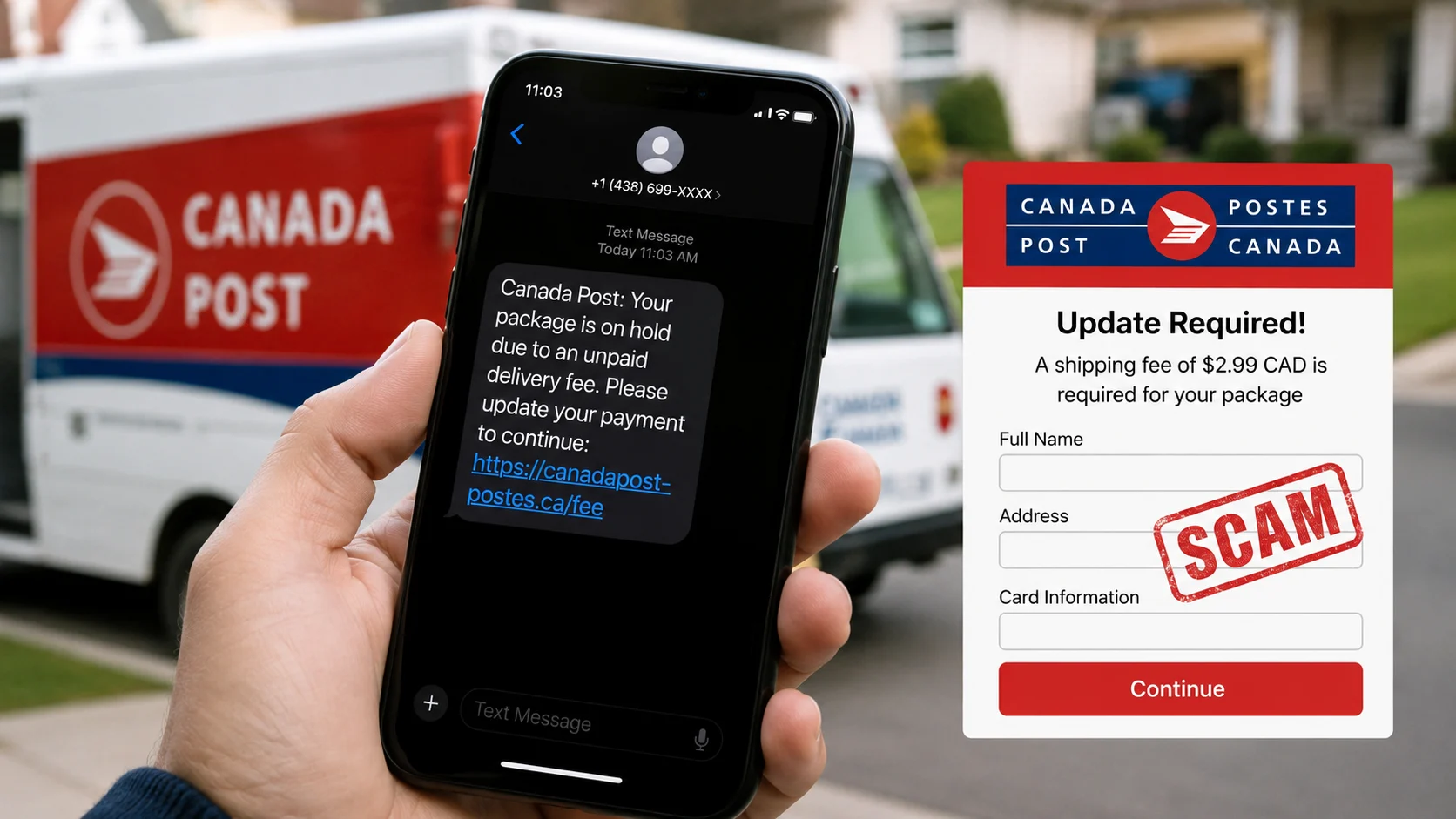
A child with cancer. A flood-hit village. A soldier’s family in need. A WhatsApp message arrives with an emotional photo, a UPI ID, and a single line: “Please help. Every rupee counts.”
You want to help. That is the most human instinct there is.
And that is exactly what scammers exploit.
Donation and charity scams are among the most morally disturbing frauds in India — because they do not just steal your money. They steal your trust in doing good. They make you afraid to help the next time someone genuinely needs it.
In this article, we explain every type of donation scam operating in India, show you real cases, tell you which fake NGOs to watch out for, and give you a clear step-by-step process to verify any donation request before you give.
How Big Is the Donation Scam Problem in India?
The numbers reveal how serious and widespread this problem has become:
- A man lost over ₹1 lakh after clicking a WhatsApp charity donation link — scammers used social engineering to manipulate him into making repeated transfers under various false pretexts
- Delhi Police busted a fake donation and NGO registration racket where a 76-year-old social worker was cheated of ₹16,600 after a caller posed as a charity organiser on WhatsApp
- During COVID-19, scammers raised lakhs of rupees using fake oxygen and ICU bed fundraisers on social media — then deleted accounts once money arrived
- A fake WhatsApp message impersonating the Indian Ministry of Defence urged citizens to donate to a fund for “modernising the Indian Army” — the government had to publicly deny it
- Fake crowdfunding campaigns using stolen photos of real patients from platforms like Ketto are commonly used to collect donations for non-existent cases
Every major disaster, festival season, and emotional news story triggers a new wave of donation scams in India. Scammers move faster than most people can verify.
Types of Donation Scams in India
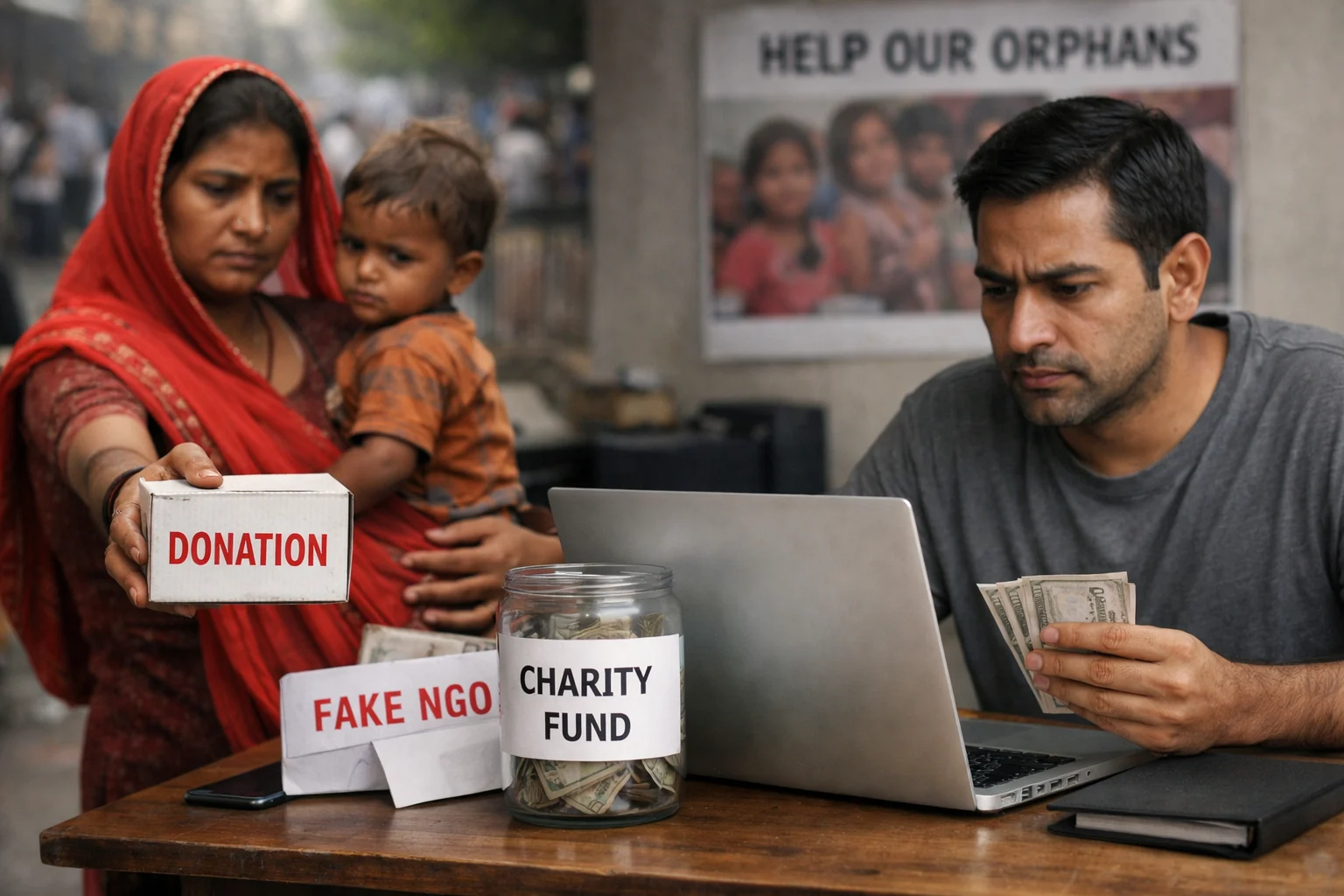
1. Fake NGO Scams — Calling You for a Sick Child
You receive a phone call or WhatsApp message from someone claiming to represent an NGO. They tell you about an urgent case — a child with cancer at AIIMS, a burn victim in Noida, a disabled person who needs surgery. They share a PDF with case details, a photo, and a UPI ID to donate.
The photo is stolen from a legitimate fundraiser on Ketto or Milaap. The case is fake. The NGO exists only on paper — or not at all.
These fake NGOs are run like call centres. They buy donor contact lists from other fake NGOs and keep calling until you donate. If you block them, they call from a new number. If you ask difficult questions, they get aggressive.
2. Disaster Relief Scams — Floods, Earthquakes, Cyclones
Within hours of any major natural disaster in India — floods in Assam, earthquakes in Joshimath, cyclones in Odisha — fake donation campaigns start appearing on WhatsApp, Instagram, and Facebook.
They use real news photos. They use official-looking logos. They use urgent language designed to make you act immediately, without thinking.
And they collect UPI payments from people who genuinely want to help.
During Cyclone Amphan, scammers posed as relief organisations using fake names, forged IDs, and random UPI accounts. Thousands of well-meaning citizens across India sent money — believing they were helping flood victims. The money never reached anyone in need.
This is one of the cruelest forms of fraud. It does not just steal money. It steals the act of kindness itself.
3. Fake Crowdfunding Campaigns
Scammers create fake campaigns on crowdfunding platforms — or share links that look like they are from trusted platforms like Ketto, Milaap, or ImpactGuru.
They copy the website layout exactly. They use stolen patient photos. They write compelling backstories that feel completely real. Some go even further — they build entirely fake platforms that look identical to the original, right down to the logo and font.
You think you are donating to a sick child or a flood victim. You are sending money directly to a fraudster.
Before you donate on any crowdfunding link, check one thing — does the URL belong to the actual platform? Not a lookalike domain with an extra letter or a different extension.
That one check can make all the difference.
4. PM/CM Relief Fund Impersonation
Fake messages circulate on WhatsApp claiming to be collection drives for the PM CARES Fund, Chief Minister’s Relief Fund, or other government disaster relief initiatives.
These messages look official. They use government logos, serious language, and even include fake UPI IDs and QR codes to make the payment feel legitimate.
But here is what you need to know — real government relief funds have official portals. They never collect donations through random WhatsApp forwards, unknown UPI IDs, or QR codes shared in group chats.
If a message is asking you to donate via UPI and it came through WhatsApp — stop. Do not pay. Visit the official government website directly and donate only through the link listed there.
5. Fake Army / Defence Donation Scams
After any border tension or defence-related news — messages start circulating on WhatsApp and Telegram claiming to collect donations for soldiers’ families, army modernisation, or martyrs’ families from Kargil and Galwan.
These messages feel deeply emotional. They use the names of real incidents, real soldiers, and real sacrifices to make you want to help immediately.
The Indian government has officially warned that no such donation drives are run through WhatsApp or Telegram. None. If a message is asking you to send money for soldiers or their families through a UPI ID or QR code shared on a chat — it is a scam.
If you genuinely want to support defence families, visit the official government portal directly. The Kendriya Sainik Board at ksb.gov.in lists verified welfare schemes and legitimate ways to contribute.
6. Festival and Religious Donation Scams
During Diwali, Eid, Christmas, Navratri, and other festivals, scammers go door to door or send WhatsApp messages claiming to collect for temple renovations, mosque construction, church funds, or community feasts. They carry fake ID cards and printed receipts. Once you pay cash, they disappear.
7. Fake 80G Tax Exemption Donation Scams
Scammers target salaried professionals and business owners with fake NGOs that promise 80G tax exemption certificates for donations. The donation is real — the tax certificate is forged. By mid-2025, the Income Tax Department had raided over 200 premises across 15 states, seized ₹150+ crore in unaccounted cash, and identified 500+ taxpayers who had filed fake donation claims.
8. WhatsApp Viral Donation Forwards
Emotional messages with photos of sick children, starving animals, or disaster victims are forwarded widely on WhatsApp family groups. They include a UPI ID or bank account and ask everyone to “please forward.” Most people forward without verifying. The UPI ID belongs to a scammer, not a charity.
Real Cases From India
Case 1: Delhi, 76-Year-Old Social Worker — ₹16,600 Lost
Muhammad Yunus Khan, a 76-year-old social worker from Delhi, received a WhatsApp call from an unknown number. The caller posed as a charity organiser and convinced him to donate. Delhi Police later busted the fake donation and NGO registration racket behind this call. Three people were arrested.
Case 2: Man Lost ₹1 Lakh on a WhatsApp Charity Link
A man received a WhatsApp message with a donation link for a charitable cause. After clicking the link, fraudsters used social engineering to manipulate him into making multiple transfers — using pretexts like processing fees and refund-related transactions. He lost over ₹1 lakh before realising it was fraud.
Case 3: COVID-19 Fake Oxygen Fundraisers
During the second COVID-19 wave in India, scammers created fake social media posts claiming to arrange oxygen cylinders, ICU beds, and plasma for desperate families. Families who had lost relatives to COVID paid lakhs to these fake fundraisers. Once money was transferred, accounts were deleted and scammers disappeared.
Case 4: Cyclone Amphan Fake Relief Collections
In the aftermath of Cyclone Amphan, scammers posed as relief organisations across West Bengal and Odisha. They used fake names, forged ID cards, and random UPI accounts to collect donations from citizens who wanted to help flood victims. Countless well-meaning people unknowingly funded fraudulent campaigns.
Case 5: Fake Ministry of Defence Donation Message
A WhatsApp message circulated widely claiming to be from the Indian Ministry of Defence, urging citizens to donate for “army modernisation.” The government had to officially confirm the message was entirely fabricated and no such appeal had been issued. Citizens who donated to the UPI ID in the message lost money with no way to recover it.
Fake NGOs and Platforms to Be Aware Of
Rather than naming specific organisations, here are
the patterns that have been widely reported:
- NGOs that call you repeatedly after one donation and cannot be opted out of
- Callers who get aggressive or evasive when you ask to visit the hospital or patient in person
- Fundraisers who cannot provide their NGO registration number when asked
- Callers claiming to represent UNICEF, WHO, or government bodies on WhatsApp
- Donation links from lookalike domains (ketto-india.com, milaap.co.in instead of ketto.org, milaap.org)
Important: Always verify any NGO on the government’s official NGO Darpan portal at ngodarpan.gov.in before donating.
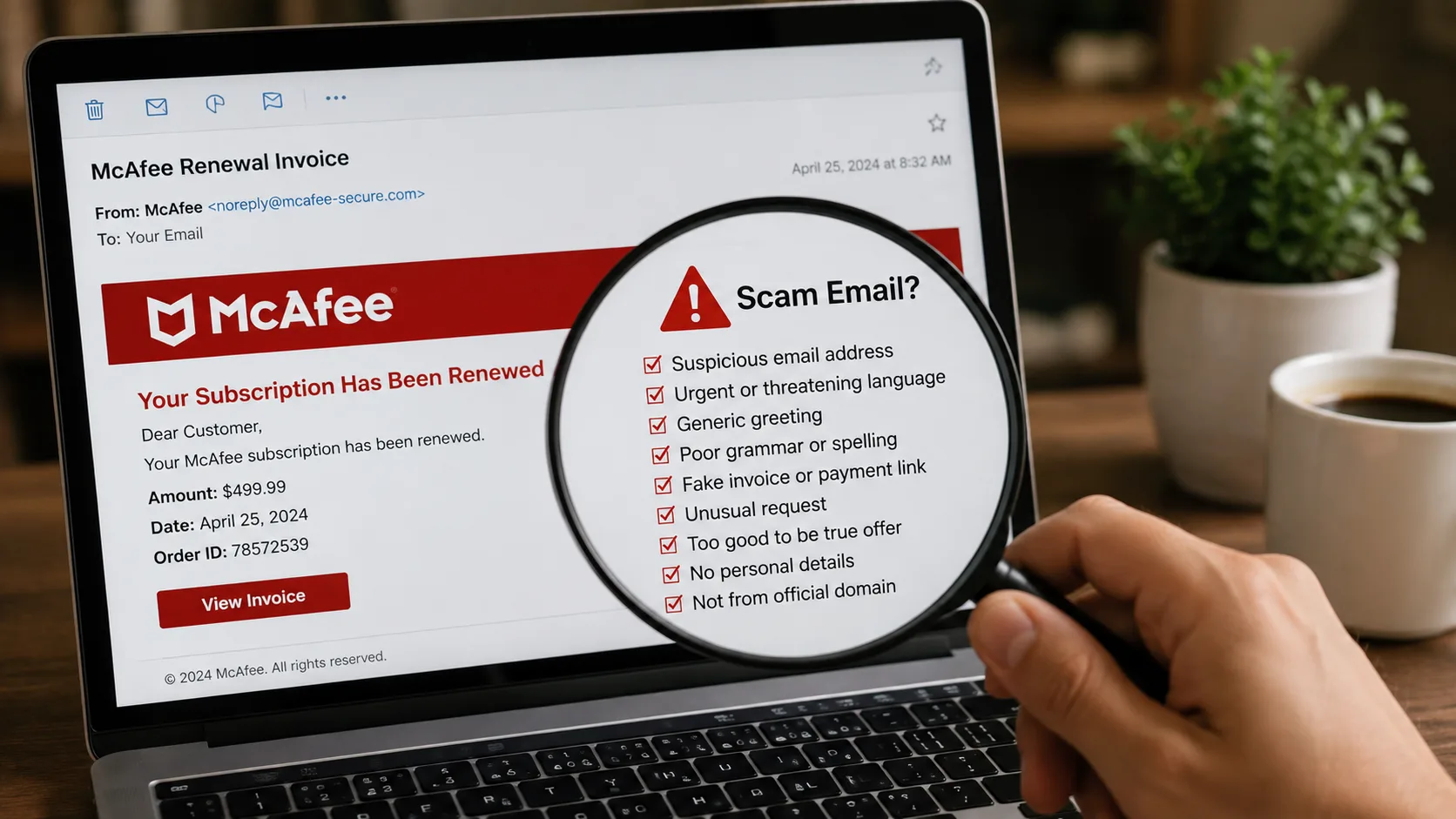
Warning Signs — How to Spot a Fake Donation Request
- The donation request came via WhatsApp forward or unknown caller — not from an official source
- The UPI ID or account name does not match the NGO or charity name
- There is extreme urgency — “donate in the next 2 hours or the child will die”
- No 80G or FCRA registration number is provided when you ask
- The charity’s website or social media page was created very recently
- Photos in the campaign appear in reverse image search on other unrelated campaigns
- The fundraiser cannot tell you the hospital name, ward number, or patient details when asked
- You are asked to donate via cash, gift cards, or a personal UPI ID — not an organisation’s official account
- When you ask questions, the caller becomes defensive, aggressive, or tries to redirect emotionally
Also Read: Fake Electricity Bill Disconnection Scam — How It Works and How to Stay Safe
How to Verify Any Donation Before You Give — Step by Step
Step 1: Check the NGO on NGO Darpan
Go to ngodarpan.gov.in — this is the Government of India’s official directory of registered NGOs. Search the organisation’s name. If it is listed there, that is a good sign.
But if an NGO is not listed on NGO Darpan, do not treat it as final proof of fraud. Some legitimate organisations may not be registered there. Always verify through multiple sources — check their official website, look for their registration details, and search for any government recognition or news coverage.
One source is never enough. Always cross-check before you send money anywhere.
Step 2: Ask for 80G and FCRA Certificate
Any legitimate NGO accepting donations in India must have an 80G certificate for tax exemption. If they accept foreign donations, they need FCRA registration. Ask for these certificate numbers and verify them on the Income Tax Department portal at incometax.gov.in.
Step 3: Do a Reverse Image Search
Take the photo from the donation appeal and do a reverse image search on Google Images. If the same photo appears in multiple different donation campaigns with different names and stories, it is stolen and the campaign is fake. This takes one minute and catches most fake campaigns.
Step 4: Verify the UPI ID Carefully
The UPI ID you are asked to donate to should match the official organisation name. “helpachildfund@okaxis” is suspicious. “Give India Foundation@hdfcbank” from a verified page is more credible. If in doubt, check the UPI ID on ScamDekho’s UPI checker before transferring.
Step 5: Donate Only Through Verified Platforms
If you want to donate to a cause, use only these verified platforms that vet fundraisers before listing them:
- GiveDo — https://give.do/
- Ketto — ketto.org
- Milaap — milaap.org
- PM CARES Fund — pmcares.gov.in
- Bharat Kosh — bharatkosh.gov.in
Never donate based on a WhatsApp forward alone. Always go directly to the platform’s official website and verify the campaign there.
Step 6: Ask to Visit or Video Call
For large donations or cases involving sick children or individuals, ask to speak to the patient’s family directly, visit the hospital, or do a video call. Legitimate fundraisers will never refuse this. Scammers will avoid it at all costs — they will use excuses like “the patient is too weak” or “the hospital is far.” That is your signal to stop.
What To Do If You Were Scammed on a Donation
1. Call 1930 Immediately
India’s National Cybercrime Helpline is available 24×7. If you transferred money via UPI and report it quickly, cyber cells can request banks to freeze the beneficiary account before money is moved further.
2. File at cybercrime.gov.in
Go to the National Cyber Crime Reporting Portal and file a complaint under “Online Financial Fraud.” Include all screenshots of the donation appeal, the UPI ID or bank account you paid to, and transaction details.
3. Report the UPI ID to Your Bank
Call your bank’s fraud helpline and say: “I made a UPI transfer to [UPI ID] on [date] for ₹[amount] after being deceived by a fake charity. I request you to flag this transaction and send an emergency hold request to the beneficiary bank.”
4. Report the Fake NGO to MCA
If the fake NGO claims to be a registered company or trust, report it to the Ministry of Corporate Affairs at mca.gov.in. You can also report it to the FCRA division of the Ministry of Home Affairs if they claimed foreign contribution eligibility.
5. Warn Others — Report on Social Media
Post about the scam publicly on the platform where you found it — Facebook, Instagram, or WhatsApp. Report the account or post to the platform. This prevents the same scammer from targeting others in your network.
Must Visit: Fake Work From Home Jobs in India: How Scammers Are Targeting Students and Homemakers
Key Takeaways
- Donation scams spike after every major disaster, festival, and emotional news event in India
- Fake NGOs operate like call centres — they buy donor lists and call repeatedly until you pay
- Photos in fake campaigns are stolen from real patients on legitimate fundraising platforms
- Always verify NGOs on NGO Darpan at ngodarpan.gov.in before donating
- Check any donation website or UPI link on ScamDekho before clicking or paying
- Real government funds like PM CARES never ask for donations through WhatsApp
- If scammed, call 1930 immediately — every hour matters
- The rule: verify first, donate second — your kindness should reach those who actually need it
Conclusion
Donating is one of the most powerful things a person can do. It reflects compassion, empathy, and a desire to make the world better. Scammers know this — and they have built entire criminal operations around exploiting it.
But awareness is the strongest weapon against them.
Now you know the types of scams. You know the warning signs. You know how to verify any NGO in under five minutes. And you know what to do if something goes wrong.
The goal is not to stop you from donating. The goal is to make sure your donation reaches the people who actually need it — not a scammer sitting in a fake call centre.
Before you donate to any cause, take 30 seconds to check the website or UPI ID on ScamDekho. It is free, requires no login, and could save you from losing money you intended for someone in need.
Share this article with your family — especially elderly parents and grandparents who are most likely to receive these emotional fake donation calls. One share could protect someone’s savings and their faith in helping others.
Verify first. Then donate with confidence.