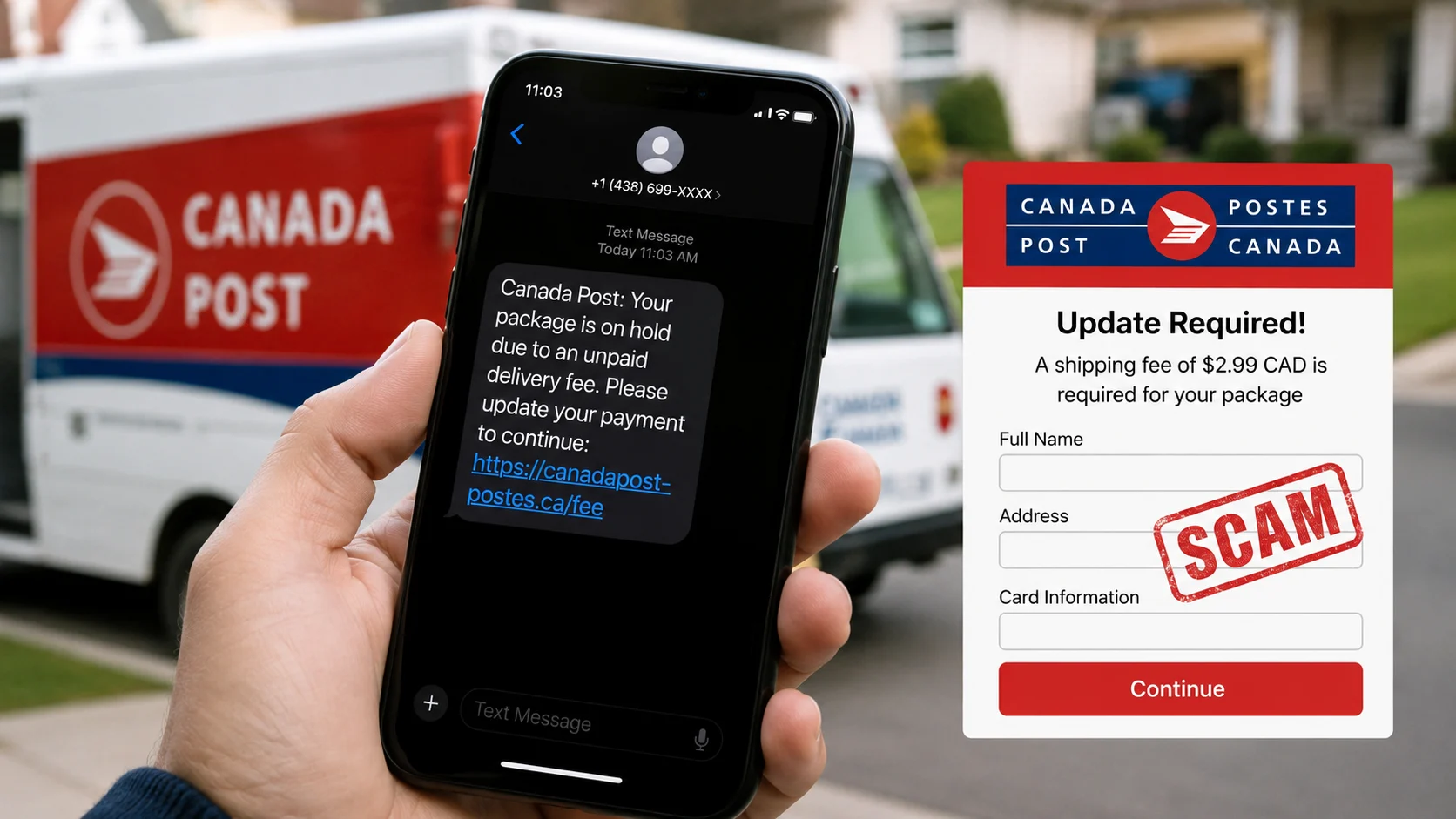
You are scrolling through WhatsApp. A message pops up: “Work from home. No experience needed. Earn ₹5,000 per day. Apply now — limited seats.”
It sounds like a lifeline. For a college student paying their own fees, a homemaker wanting to contribute to family income, or a job seeker who has been rejected for months — this message feels like an opportunity.
That is exactly what scammers are counting on.
Fake work from home jobs are one of the fastest-growing cyber frauds in India. They are not run by amateurs. They are professionally organised criminal networks that study desperation, build trust carefully, and vanish the moment they have your money.
In this article, we break down every type of fake WFH scam operating in India right now, show you real data, expose which platforms scammers misuse, and tell you exactly how to protect yourself — and verify any job offer before you apply.
How Big Is This Problem in India?
The Scale of the Problem
- 56% of Indian job seekers have encountered scams while searching for work online
- 22.68 lakh cybercrime complaints were filed in 2024 on cybercrime.gov.in — with job and loan scams among the top categories
- A 44-year-old homemaker from Nashik lost ₹15 lakh to a fake work from home scheme in 2023
- In April 2025, UP Police cracked down on a job scam that had siphoned crores from over 1.2 lakh victims across India — all through fake recruiters on job portals
- Work from home and part-time job scams are consistently among the top reported cybercrimes in India every quarter
And these are only the reported cases.
Thousands of victims — especially students and homemakers — never file a complaint at all. Some feel ashamed. Some do not know where to report. Some believe nothing will come of it anyway.
The real number is far higher than what any statistic can show.
Who Do Scammers Target and Why
Scammers do not pick victims randomly. They specifically target people who are most likely to be desperate for income and least likely to verify carefully:
- College students: need money for fees, books, and daily expenses. Urgent. Limited time to research.
- Homemakers: looking for flexible income without leaving home. Often first-time online job seekers.
- Fresh graduates: unemployed, rejected multiple times, desperate for any opportunity.
- Small town job seekers: limited local job market, unfamiliar with how online recruitment works.
- Recently laid-off individuals: emotionally vulnerable, under financial pressure, need income fast.
Scammers know that when someone is desperate, they verify less. They act faster. They ignore red flags. That is the psychology behind every fake WFH job offer.
Types of Fake Work From Home Scams in India
1. Task-Based Scams (YouTube Likes, Reviews, Ratings)
You are asked to complete simple tasks — like YouTube videos, rate products on Amazon, or write Google reviews. Initially you are paid small real amounts via UPI to build trust. Then you are invited to a “premium group” where tasks require upfront deposits. The deposits keep growing. The promised returns never come.
This is the most widespread WFH scam in India right now and has caused losses of hundreds of crores.
2. Data Entry and Form Filling Scams
Scammers advertise high-paying data entry work — ₹15,000 to ₹30,000 per month for simple typing jobs. Victims are asked to pay a registration fee or buy software to get started. Once payment is made, the scammer either disappears or sends impossible targets that can never be completed — so no payment is ever made.
3. Fake Offer Letter Scams
Victims receive a professional-looking offer letter from a well-known company — TCS, Infosys, Amazon, or a foreign firm. The letter has a logo, employee ID, HR name, and everything. Then comes a request: pay a “laptop security deposit,” “ID card processing fee,” or “background verification charge.” The company is fake. The offer letter was made in minutes using a template.
4. Registration and Training Fee Scams
Jobs like pencil packing, envelope stuffing, candle making, or freelance writing are advertised with high earnings. Victims are asked to pay a registration fee to receive the work materials or training kit. Once payment is made, the scammer stops responding. The materials, if they arrive at all, are worthless.
5. Fake E-Commerce Task Scams
Victims are told they will help “boost sales” for a shopping website by placing orders and receiving a commission plus refund. The first two orders are small and refunded to build trust. The third order is ₹50,000 or more. Once payment is made, the website goes down and the scammer disappears. This is an advanced scam that uses cloned shopping websites.
6. Survey Scam
Victims are asked to complete online surveys for a fee per survey — ₹200 to ₹500 each. After completing many surveys, they are told they must pay a “withdrawal fee” or “account verification fee” to receive earnings. The earnings were never real.
7. Freelance Job Scams
Scammers pose as clients offering writing, design, or programming work. Victims complete real work and submit it. They are then either not paid at all, or given a fake cheque that bounces — leaving the victim liable. Meanwhile, the scammer has received and used the completed work.
Fake Job Portals and Platforms Scammers Misuse
Scammers do not always create their own platforms. They exploit trusted names to gain credibility.
Job Portals Being Misused
- Naukri.com — The most commonly misused job portal in India. Scammers post fake listings, collect resumes, and contact job seekers posing as HR executives. In one documented case, a Kanpur-based call centre had dozens of executives making daily calls pretending to be Naukri.com recruiters — defrauding over 1.2 lakh victims across India.
- Indeed India — Fake listings appear for data entry, customer support, and remote work roles with unrealistic salaries.
- Shine.com — Scammers post fake jobs and promise services in exchange for payment.
- LinkedIn — Fake recruiter profiles with professional-looking photos contact job seekers with too-good-to-be-true offers.
- OLX and Facebook Marketplace — Used for advertising fake home-based assembly, packing, and craft work with upfront material fees.
Messaging Platforms Used to Execute Scams
- WhatsApp — First point of contact. Unsolicited messages with job offers, fake HR personas.
- Telegram — Where the scam moves to. Fake company groups, fake earnings screenshots, fake team members.
- Instagram — Reels and DMs promising ₹5,000/day for simple tasks. Targets younger users.
Companies Most Commonly Impersonated
- TCS (Tata Consultancy Services)
- Infosys
- Amazon India
- Flipkart
- Tripadvisor
- Netflix
- Foreign companies with Dubai, US, or UK addresses
Important: None of these companies recruit through WhatsApp or Telegram. None of them ask for money at any stage of recruitment. If a “recruiter” is contacting you for any of these companies on WhatsApp, it is a scam.
Also Read: Fake Online Shopping Websites in India: How to Identify Them Before You Lose Money
Real Victim Cases in India
Case 1 — Nashik, Maharashtra — ₹15 Lakh Lost
A 44-year-old homemaker lost ₹15 lakh after being approached through a fake work-from-home scheme. She was promised flexible hours and high earnings for simple online tasks. By the time she realised it was fraud, her savings were gone.
Case 2 — UP-Wide Operation — 1.2 Lakh Victims, Crores Lost
In April 2025, UP Police dismantled a call centre in Kanpur running a massive fake recruitment operation. Scammers posed as recruiters from well-known companies, used fake websites and caller ID spoofing, and defrauded over 1.2 lakh job seekers across India. The gang used Naukri.com to collect resumes and then targeted applicants with fake high-paying offers.
Case 3 — Chennai Student — ₹10,000 Lost, Legal Threat Used
A third-year B.Tech student received a call from someone claiming to be from Naukri.com, saying he owed a penalty of ₹49,000 for ignoring their emails. To avoid the “fine,” he was told to pay ₹10,000. The student paid before realising the call was fraudulent. No such penalty system exists on Naukri.com.
Case 4 — Delhi Professional — ₹9,200 Lost via Fake TCS Offer
A job seeker received a professional offer letter from “TCS” offering ₹35,000 per month for a data entry role. He was then charged ₹4,900 for a laptop deposit, ₹2,500 for an ID card, and ₹1,800 for background verification — all fake. He had never applied to TCS and his resume had been taken from a job portal without his knowledge.
Warning Signs — How to Spot a Fake WFH Job
- The job offer came to you unsolicited — via WhatsApp, SMS, Instagram DM, or unknown call
- No proper interview, no skill test, no formal selection process — you are “selected” immediately
- You are asked to pay any amount at any stage — registration, training, equipment, security deposit, ID processing
- The salary offered is unrealistically high for simple tasks — ₹30,000/month for data entry, ₹5,000/day for clicking links
- Communication happens only on WhatsApp or Telegram — no official email, no company website contact
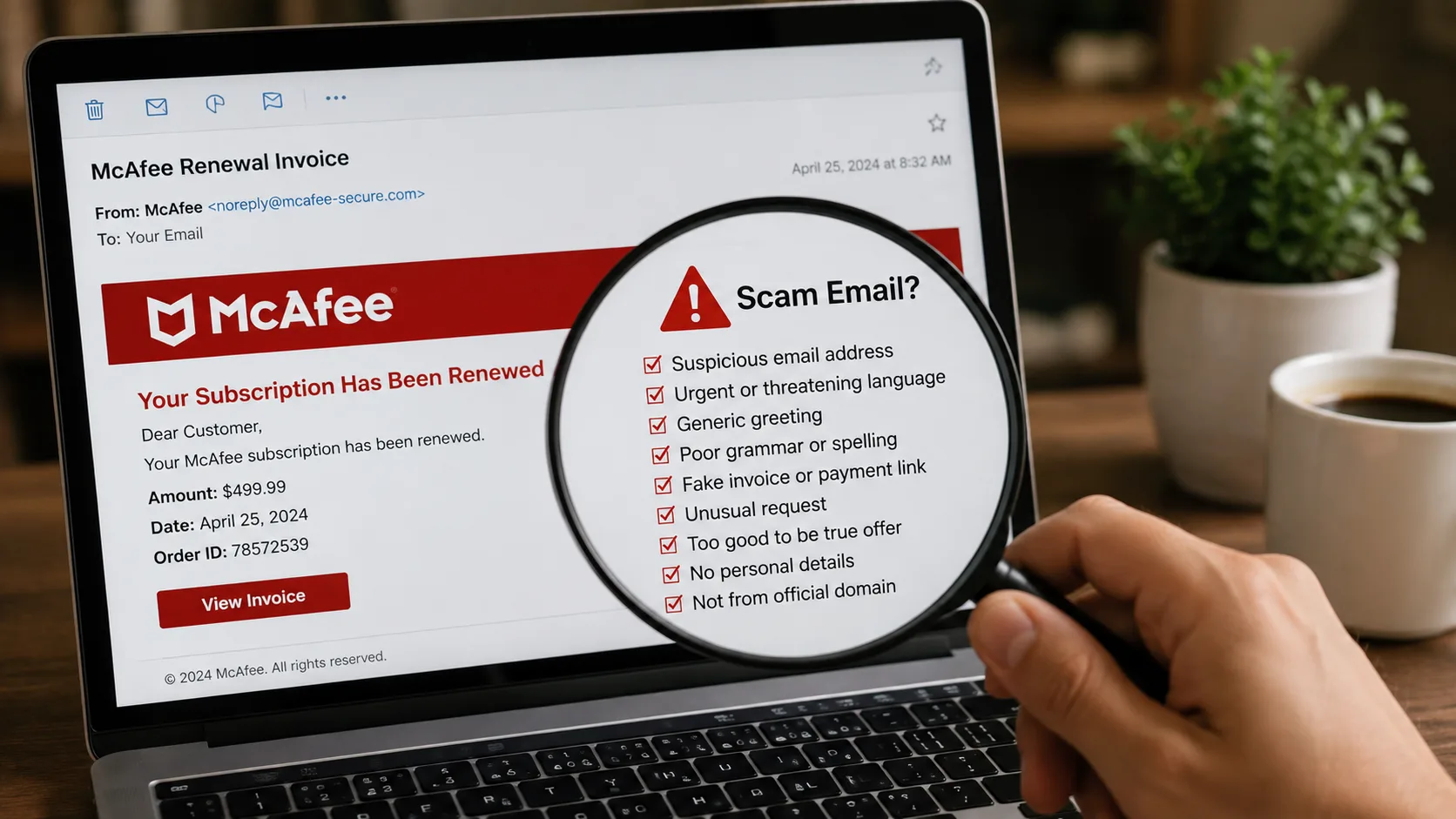
- The offer letter has a famous company name but the email comes from Gmail, Hotmail, or a lookalike domain
- You are pressured to act immediately — “limited seats,” “offer expires in 24 hours,” “join today only”
- The group on Telegram is full of members posting earning screenshots constantly
- You cannot find the job listed on the company’s official careers page
How to Verify a Job Offer Before Applying — Step by Step
Step 1: Check the Company Website Directly
Go to the company’s official website and look for the job on their careers page. If the job is not listed there, it is fake. Never trust a job that only exists on WhatsApp or Telegram.
Step 2: Verify the Email Domain
A legitimate offer letter from TCS comes from @tcs.com. From Amazon it comes from @amazon.com. If the email comes from @gmail.com, @yahoo.com, @hotmail.com, or a domain that looks similar but slightly different — it is fake. Check every letter of the domain carefully.
Step 3: Search the Company Name + “Scam” on Google
Before applying anywhere, search: “Company Name scam India” or “Company Name fake job.” If other victims have reported it, you will find their stories. This takes two minutes and can save you lakhs.
Step 4: Verify the Recruiter on LinkedIn
Search for the recruiter’s name and company on LinkedIn. Check if their profile looks real — how long they have been on LinkedIn, their connections, their employment history. Fake profiles often have very few connections and a recently created account.
Step 5: Call the Company’s Official Number
Find the company’s official customer service or HR number from their website — not from the recruiter. Call them and ask if the job offer and recruiter are real. Legitimate companies will confirm or deny this in minutes.
Step 6: Check the Website on ScamDekho
If the recruiter sends you a company website link or a portal link, you can also check it on ScamDekho before clicking or entering any personal information. ScamDekho checks the domain age, SSL certificate, hosting reputation, and known fraud databases to tell you if the website is suspicious. It takes 30 seconds and is completely free.
The One Rule That Saves Everyone
No matter how real a job offer looks, no matter how official the letter appears, no matter how convincing the recruiter sounds — remember this one rule:
A real employer will never ask you to pay money to get a job. Ever. If someone asks you to pay — registration, training, deposit, equipment, anything — it is a scam. Always.
Real companies pay you. They do not charge you.
Already Scammed? Do This Immediately
1. Call 1930 Right Now
India’s National Cybercrime Helpline is available 24×7. Call as soon as possible. If you report within hours of the transaction, cyber cells can request banks to freeze the beneficiary account before money is moved further.
2. File at cybercrime.gov.in
Go to the National Cyber Crime Reporting Portal. Select “Report Other Cyber Crime” and choose “Online Job Fraud” as the category. Include all screenshots, UPI transaction IDs, phone numbers, and any website links used by the scammer.
3. Report on Sanchar Saathi
Go to sancharsaathi.gov.in and use the “Chakshu” feature to report the phone number used by the scammer. This helps telecom authorities trace and block fraudulent numbers.
4. Contact Your Bank Immediately
Call your bank’s fraud helpline and report the transaction. Use this exact line: “I am a victim of an online job fraud. I request you to flag my recent UPI transaction to [UPI ID / account] dated [date] for ₹[amount] and send an emergency hold request to the beneficiary bank. My cybercrime complaint reference number is [number].”
5. File an FIR at Your Local Cyber Police Station
Visit your nearest cyber police station with printed copies of all evidence — chats, payment receipts, offer letter, and screenshots. File an FIR under Section 318(4) of BNS 2023 (cheating) and Section 66D of the IT Act (cheating using computer resources).
Key Takeaways
- 56% of Indian job seekers have encountered job scams — you are not alone and it is not your fault
- Fake WFH scams target students, homemakers, and freshers most heavily
- Scammers misuse trusted platforms like Naukri.com, LinkedIn, and Instagram to appear legitimate
- The biggest red flag is any request for upfront payment — registration, deposit, training, equipment
- Always verify job offers by checking the company’s official website and careers page directly
- Check any website or link sent by a recruiter on ScamDekho before clicking
- If scammed, call 1930 immediately — every hour matters for money recovery
- One rule to remember always: real employers pay you, they never charge you
Conclusion
Fake work from home jobs are not just a digital nuisance — they are destroying the financial security of ordinary Indian families. Students are losing their tuition fees. Homemakers are losing their savings. Job seekers are losing the little money they had left.
The scams look more professional every year. The offer letters look more real. The fake websites look more legitimate. The fake recruiters sound more convincing.
But the core truth never changes: no legitimate employer will ever ask you to pay money to get a job. That one rule, if you never forget it, makes you nearly impossible to scam.
Before you click any link from a recruiter, before you pay any fee, before you share any personal information — take 30 seconds and check the website on ScamDekho. It is free, it takes no login, and it could save you lakhs.
Share this article with students, homemakers, and job seekers in your family. One person who reads this could be saved from losing everything.
Stay alert. Verify first. Never pay to get a job.