The discount looked too good to ignore.
A brand new iPhone at ₹12,000. A Nike sneaker pair for ₹899. A saree that normally costs ₹3,500 — available for ₹499 with free delivery.
You click. You pay. You wait.
A week later, nothing arrives. You try the customer support number — it is switched off. You check the website again — it is gone. Your money is gone with it.
This is how fake online shopping website scams work in India. And they are happening to thousands of people every single month — especially during sale seasons like Diwali, Dussehra, and Republic Day.
What you will learn in this guide:
- Exactly how these fake shopping scams work
- How to identify a fake website before you pay
- What to do if you have already been cheated
Why Fake Shopping Websites Are a Growing Problem in India
India’s e-commerce market is growing fast. More people shop online than ever before — from small towns, on mobile phones, discovering new websites through Instagram ads, WhatsApp forwards, and Google searches.
Scammers know this.
They create websites that look completely genuine — professional logos, product photos, fake customer reviews, even a padlock icon in the browser bar. Everything looks real. Everything is designed to make you trust them.
Their biggest targets are first-time online shoppers who may not know what red flags to look for.
Scam activity in India peaks during major festival periods — Diwali, Dussehra, and Dhanteras — when fraudsters create convincing copies of popular e-commerce and travel booking sites. They know you are in a hurry. They know the deals feel urgent. And they take full advantage of that.
The result? People lose money, receive fake or empty packages, or have their payment details stolen without ever realizing it.
How a Fake Online Shopping Website Scam Works
The pattern is almost always the same.
Step 1: The attractive ad
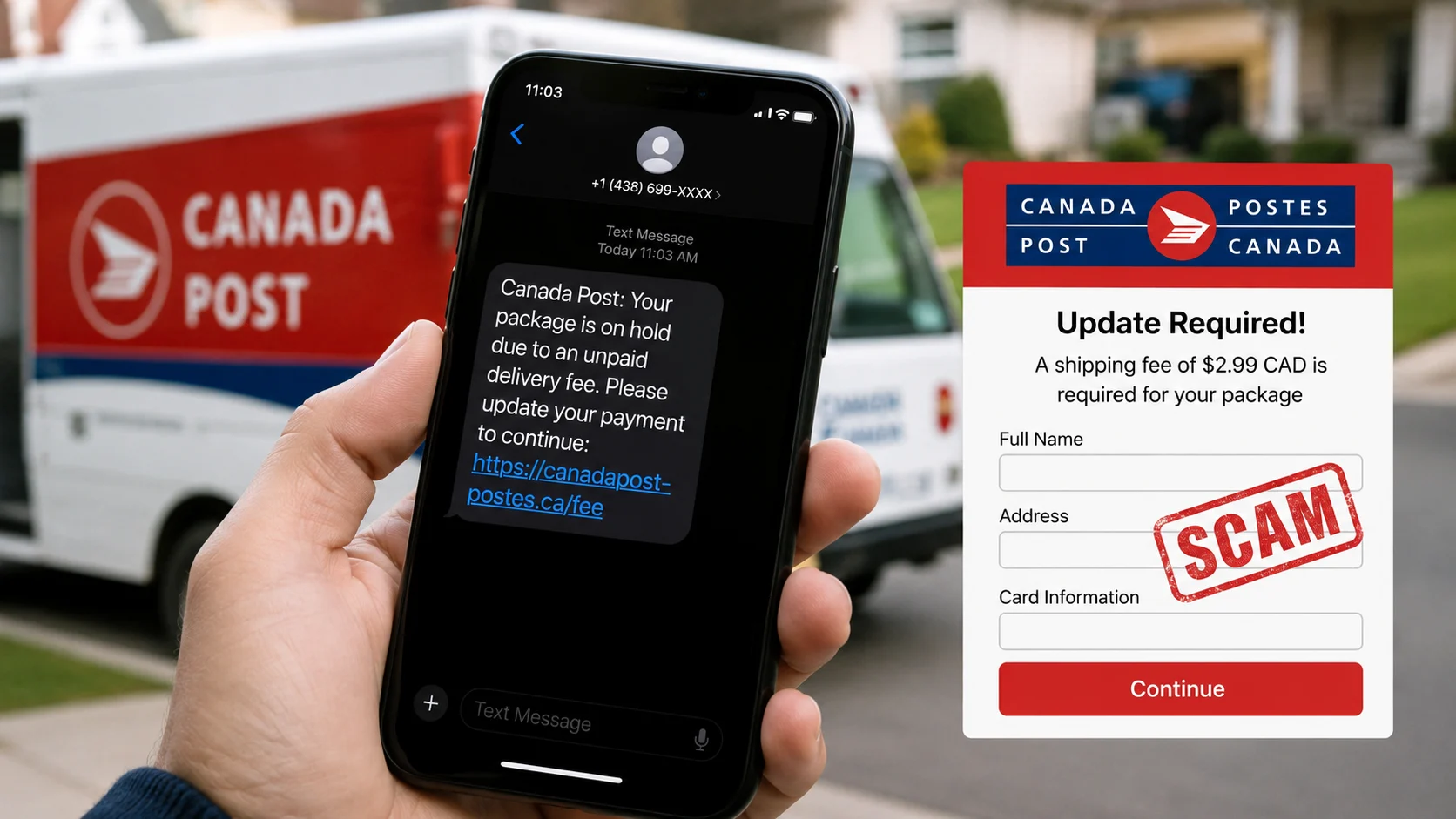
A heavily discounted product appears on Instagram, Facebook, or in a WhatsApp group. The ad looks professional. The website it links to looks real. You see a countdown timer — “Offer ends in 2 hours.”
The urgency is intentional. It stops you from thinking clearly.
Step 2: The website looks genuine
The site has product photos, a shopping cart, a checkout page, and even customer reviews. Some sites go further — they copy the design of trusted brands like Myntra or Meesho almost exactly, changing only the domain name slightly.
You think you are on a real website. You are not.
Step 3: Payment is collected
You pay online — UPI, card, or net banking. The website accepts it smoothly. No errors. No warnings. Everything feels normal.
Step 4: Nothing happens
No order confirmation arrives. Or a fake one does — with a tracking number that leads nowhere.
Customer support does not respond. Within days, the website may go offline entirely.
Your money is gone. The website never existed to sell you anything.
8 Signs That a Shopping Website Is Fake
Learn these warning signs. Check every unfamiliar website against this list before you pay anything.
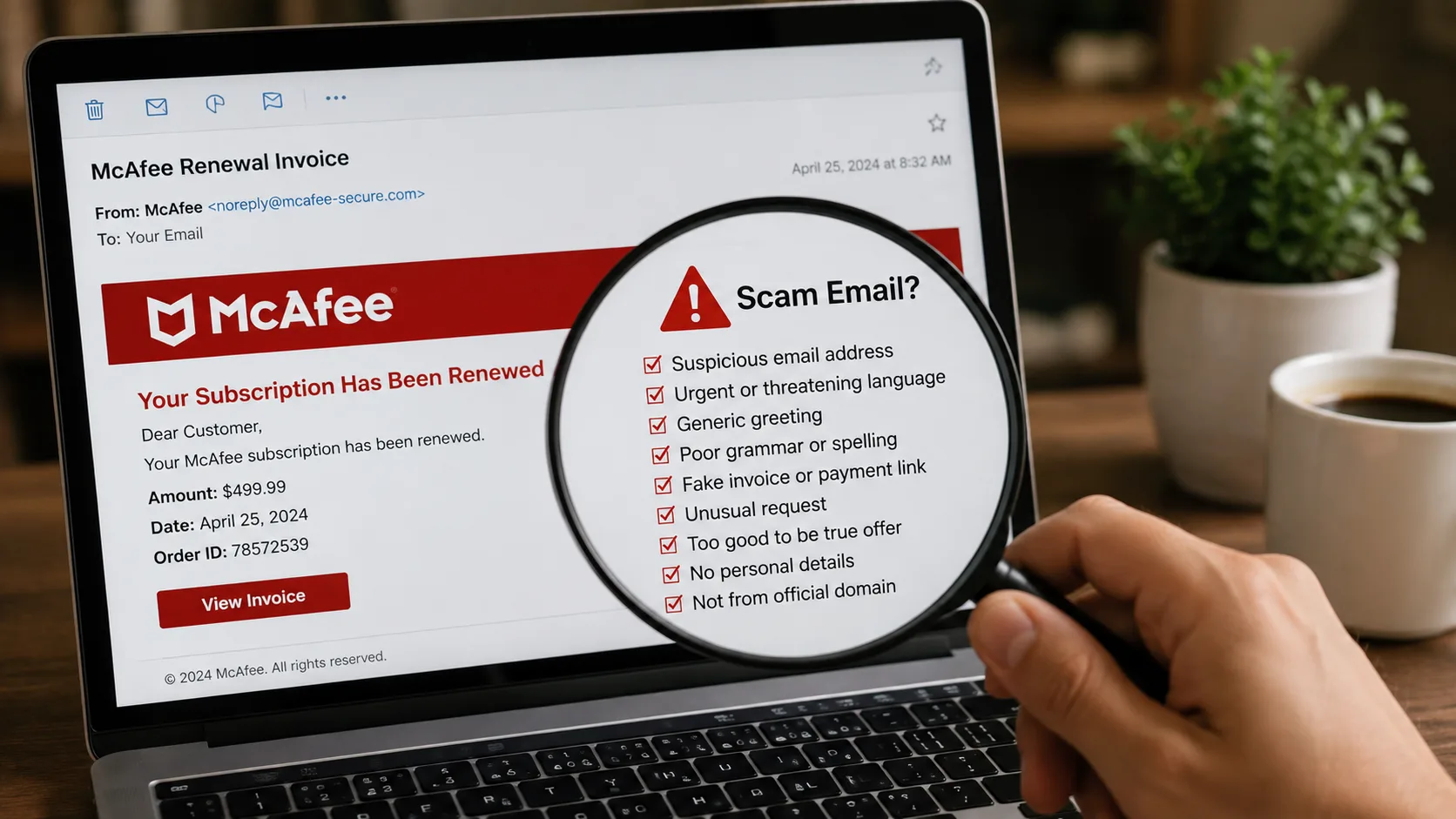
1. The URL looks slightly wrong
This is the most common trick. Scammers create domain names that look almost identical to trusted brands — with small changes you can easily miss.
- flipkart-sale.in instead of flipkart.com
- myntra-offers.com instead of myntra.com
- amazon-india.shop instead of amazon.in
Always check the full URL carefully before entering any payment details.
2. Prices are unrealistically low
If a product is 70–80% below its normal market price, that is not a deal. It is a trap.
Compare the price on at least two trusted platforms before buying from any unknown website.
3. No Cash on Delivery option
Legitimate Indian e-commerce websites almost always offer COD.
If a website insists on advance payment only — especially via UPI or bank transfer with no COD option — treat it as a serious red flag.
4. No verifiable contact details or address
A real registered business in India must display its company name, registered address, and contact number.
Copy the address shown on the website into Google Maps. If nothing comes up — the business does not physically exist.
5. The website has no digital history
Search the website name on Google with the word “review” or “scam.” Then check:
- Trustpilot or MouthShut reviews
- The brand’s presence on Instagram, Facebook, and LinkedIn
- Any news coverage
If you find nothing — no reviews, no social media, no news — that silence is itself a warning.
6. Poor grammar, broken design, or copied content
Poor-quality images, inconsistent layouts, placeholder text that was never removed, grammatical errors in product descriptions — these are signs the website was put together in a hurry.
Legitimate businesses do not look like this. Close the tab.
7. Fake or AI-generated reviews
Signs of fake reviews:
- All five-star ratings with no criticism
- Vague comments like “Great product, fast delivery”
- No photos attached to reviews
- Reviewers with no profile history or account activity
Even genuine-looking reviews can be purchased or AI-generated. Do not trust them blindly.
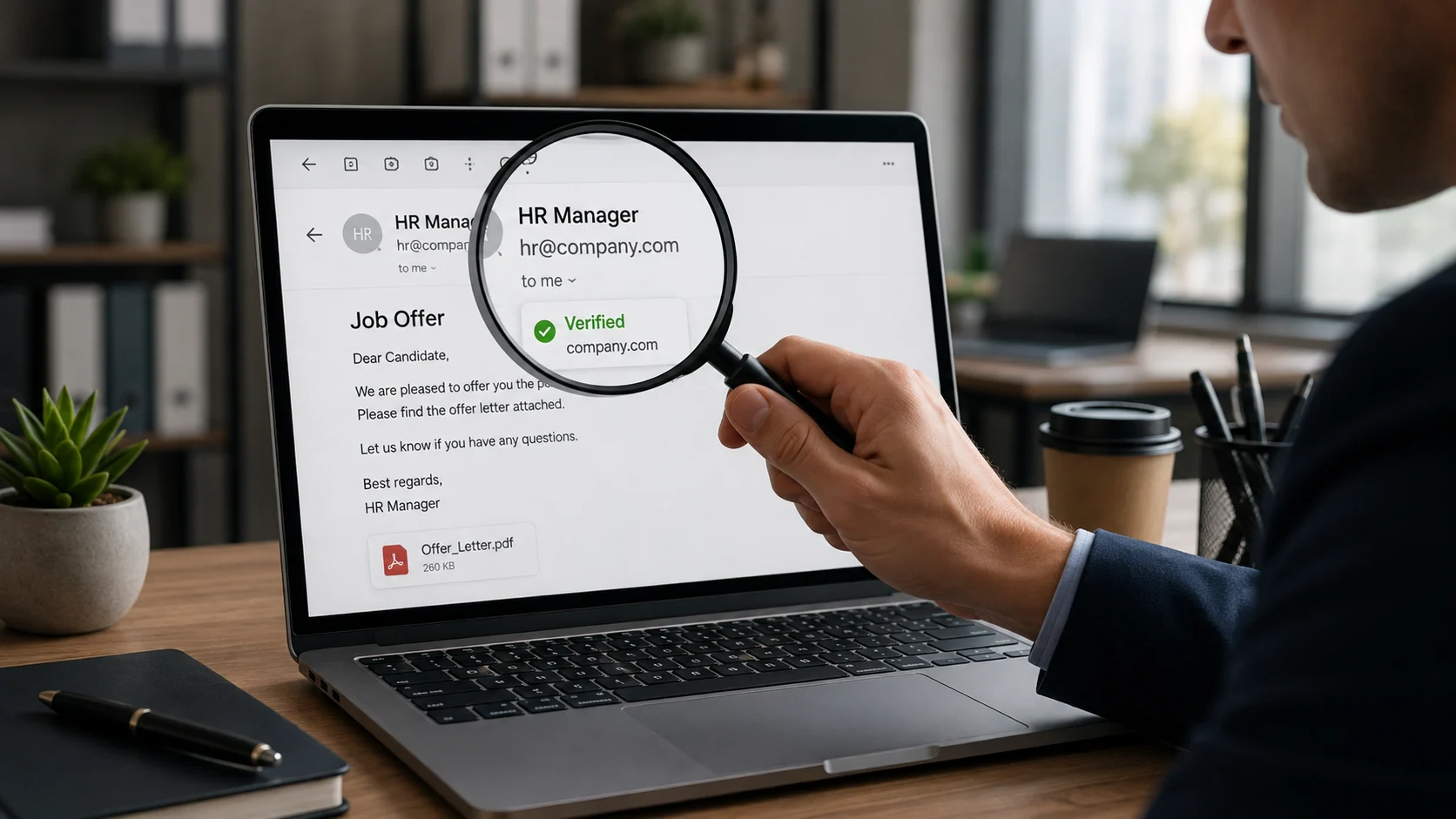
8. The website was registered very recently
Every website has a registration date. Check it for free using any WHOIS lookup tool.
If the website was registered just a few weeks or months ago and claims to be a big brand — it is almost certainly fake.
Also Read: Fake PhonePe Screenshot — Real Examples And How to Verify Payments Safely
Real Cases of Fake Shopping Website Fraud in India
These are not hypothetical examples. They are real incidents that have been reported.
The Festival Sale Trap
During the 2025 Diwali season, a website called “DealsFestive.in” ran Instagram ads offering electronics at massive discounts. It looked professional. The deals looked real.
After collecting payments from over 400 buyers, the website went offline within 72 hours.
Most victims had paid between ₹1,500 and ₹8,000. The website was gone before most of them even realized something was wrong.
The Branded Clothing Copy
A website mimicking a popular ethnic wear brand ran Facebook ads showing beautiful embroidered kurtas at ₹299.
Buyers received either nothing at all — or a piece of low-quality fabric worth far less than what they paid.
The website’s domain name had just one extra letter compared to the original brand. Something most buyers never noticed until it was too late.
The WhatsApp Forward Scam
A WhatsApp message claiming to offer free government laptops for students circulated widely in rural areas. It looked official. It felt trustworthy — it came from a known contact.
The link led to a fake government-style website asking for a ₹200 “registration fee.”
Hundreds of people paid before the scam was identified and reported. No laptop ever arrived. No fee was ever refunded.
Check: Fake Loan App Scam India: How to Identify Them and Protect Yourself
How to Verify a Shopping Website Before Paying — Quick Checklist
Before you pay on any website you have not used before, run through this:
- Check the URL: Does it match the official brand exactly? No extra letters, numbers, or unfamiliar domains?
- Search for reviews: Google the website name with “review” or “scam.” What comes up?
- Check the domain age: Use a free WHOIS tool to see when the website was registered.
- Look for COD: Does the website offer Cash on Delivery? If not, why?
- Find the contact details: Is there a real address and a working phone number?
- Verify on ScamDekho: Enter the website URL on ScamDekho.in to check if it has been reported for fraud. It takes under 30 seconds.
- Trust your instinct: If something feels off, it probably is.
What to Do If You Have Already Been Scammed
Do not wait. Act within the first 24 hours — the sooner you report, the better the chances of recovering your money.
1. Call 1930
India’s official Cyber Crime Helpline, available 24/7. Report the fraud immediately and provide all details you have — the website URL, payment amount, and screenshots.
2. File a complaint online
Go to cybercrime.gov.in, select “Report Other Cyber Crime,” and register your case. Keep these ready:
- Screenshots of the website and ads
- Payment receipts
- The website URL
- Any order confirmation or messages received
3. Contact your bank
If you paid by card or net banking, call your bank immediately and request a chargeback.
Many banks can reverse fraudulent transactions — but only if you report quickly. Do not delay.
4. Call the National Consumer Helpline
Dial 1800-11-4000 or short code 1915, available from 8 AM to 8 PM, seven days a week.
5. Report the website on ScamDekho
Flag the URL on ScamDekho.in so other users across India are warned before they visit it.
Every report helps protect someone else from the same scam.
The Simple Rule That Keeps You Safe
Online shopping scams do not succeed because people are careless. They succeed because scammers are good at creating urgency and building fake trust. They know exactly how to make you act fast — before you have time to think.
The antidote is one simple habit — verify before you pay. It does not take long. Two minutes of checking a website’s URL, reviews, and contact details can save you from losing thousands of rupees and days of stress.
Stick to trusted platforms for big purchases. For new or unfamiliar websites, always check before you pay. And when something feels too good to be true — it almost always is.
Not sure about a website? Enter the URL on ScamDekho.in before you click anything. It takes under 30 seconds and could save you from everything this guide has described.