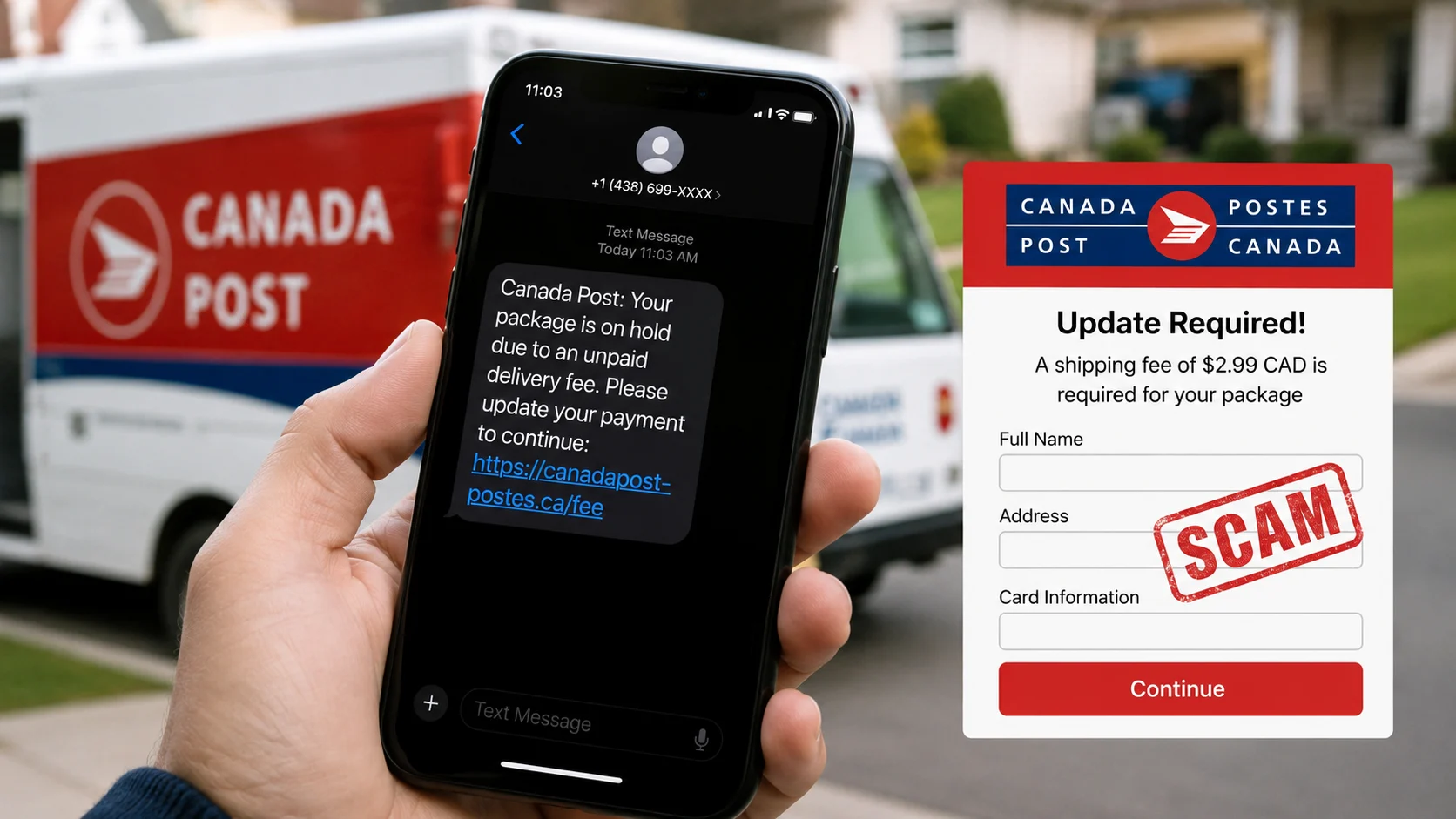
Getting a job offer feels exciting. But in India, fake job offer letter scams are increasing rapidly. Scammers send professional-looking offer letters through email or WhatsApp and then demand money for “registration”, “training”, “security deposit”, or “visa processing”.
Many candidates lose thousands of rupees before realizing the offer letter was fake.
If you are a job seeker who has received a job offer, this article will help you determine whether the job offer letter is genuine or fake – absolutely free of cost.
Why Fake Offer Letter Scams Are Increasing in India
Fraudsters target:
- Fresh graduates
- Job seekers on LinkedIn or Naukri
- People searching for work-from-home jobs
- Candidates applying for government or multinational companies
They use the actual logos of the companies, forge the HR email IDs, and sometimes even attach forged documents.
The motive is simple: to create urgency and ask for money.
Before you pay anything, check the offer letter carefully.
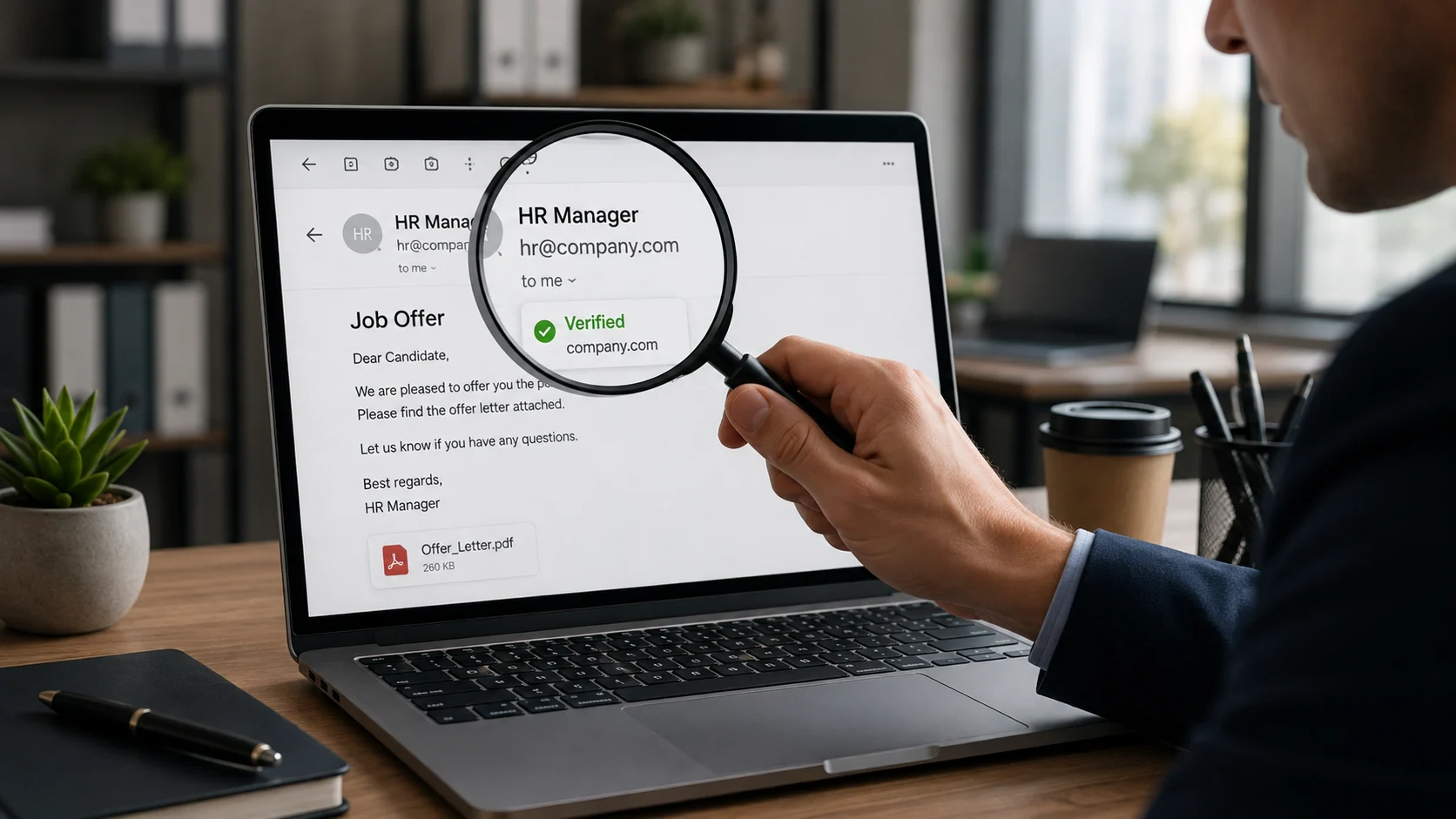
Step 1: Check the Email Domain Carefully
This is the first and most important step.
A real company will use a professional email domain.
Example:
✔ hr@companyname.com
❌ company.hr.recruitment@gmail.com
Red flags:
- Gmail, Yahoo, Outlook addresses
- Extra numbers in domain
- Slight spelling changes (gooogle.com, amaz0ncareers.com)
If the HR email comes from a free email provider, it is almost always fake.
Step 2: Verify the Company on MCA Website (Free Method)
In India, every registered company must be listed on the Ministry of Corporate Affairs (MCA) website.
Steps:
- Visit MCA official portal
- Search company name
- Check CIN number
- Verify registered address
- Compare director details
If the company name in the offer letter does not match MCA records, it is suspicious.
Many fake offer letters mention companies that are either dissolved or not registered at all.
Step 3: Cross-Check the Official Website
Visit the company’s official website manually. Do not click links inside the offer letter email.
Check:
- Careers page
- Contact number
- Official HR email
- LinkedIn company page
If the job opening is not listed on their official website, contact the company directly to confirm.
You can also use an online verification tool like the ScamDekho scam checker to analyze suspicious domains before responding.
This helps users identify risky websites and avoid interacting with fraudulent recruiters.
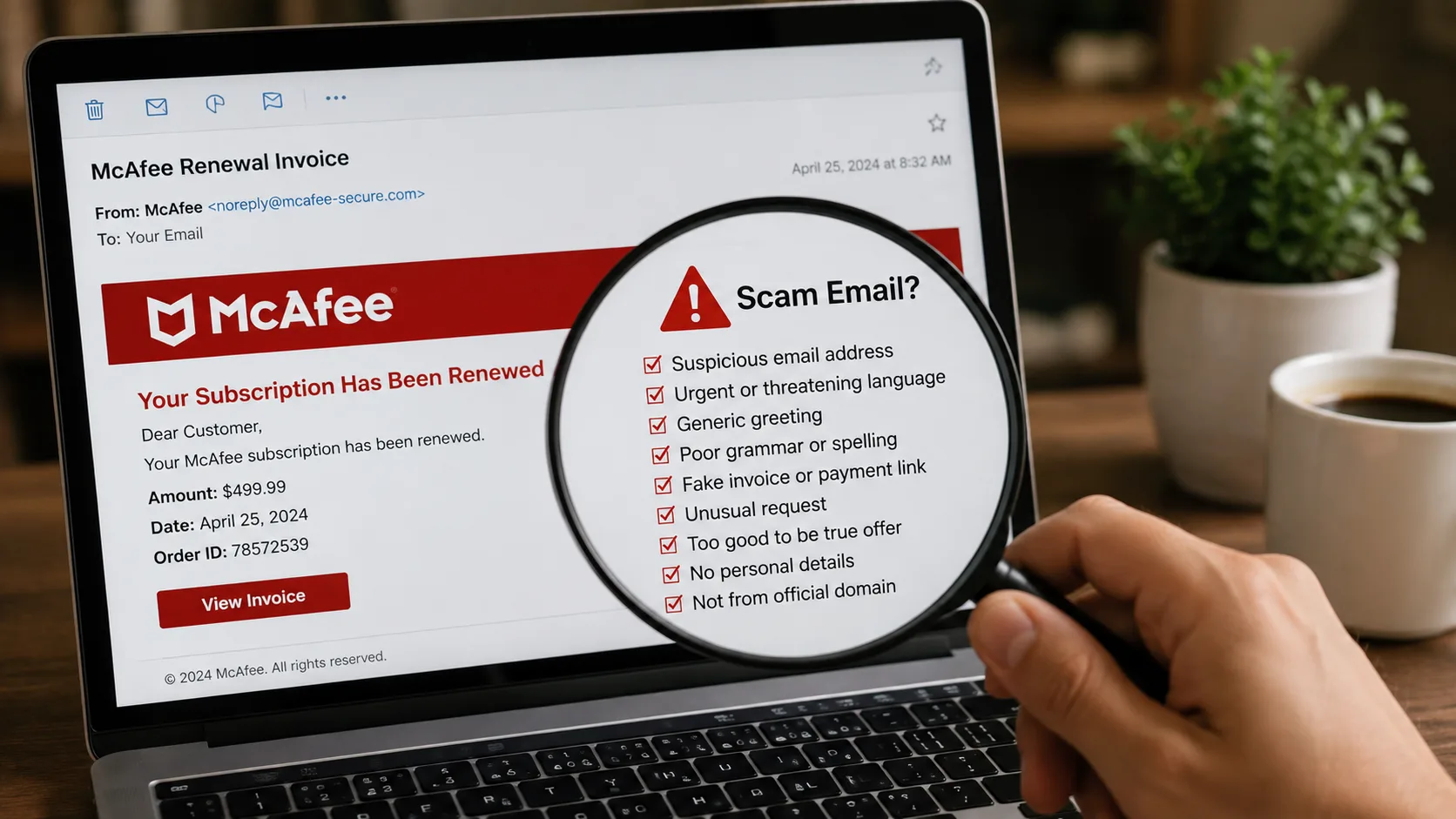
Step 4: Look for Common Fake Offer Letter Signs
Here are major warning signals:
- Asking for money before joining
- Urgent deadline pressure
- No proper interview conducted
- Offer without technical round
- Poor grammar in document
- Fake digital signature
- No official company stamp
Remember this clearly:
No genuine company in India asks candidates to pay money for a job.
If payment is required for “training kit” or “background verification”, it is likely a scam.
Step 5: Verify HR Profile on LinkedIn
Search the HR name mentioned in the offer letter.
Check:
- Is the HR profile real?
- Do they have activity history?
- Is the company connected properly?
Fake recruiters often create new LinkedIn profiles with very few connections.
If the profile looks new, incomplete, or suspicious — be cautious.
Step 6: Check Salary Structure & Format
Fake offer letters often:
- Promise unrealistic salary
- Offer very high package for fresher
- Provide vague job description
- Have inconsistent formatting
Compare with real offer letter samples online.
Professional companies follow a structured format with:
- Employee ID
- Reporting manager details
- Probation period
- Official policies
If these are missing, question it.
Step 7: How to File Complaint in India
If you suspect a fake job offer letter scam:
- Do not send money
- Keep email screenshots
- Save call recordings
- Visit cybercrime.gov.in
- Call 1930 helpline immediately
Early reporting increases chance of fund recovery.
Real Case Pattern Seen in India
In most reported cases:
- Victims receive job offer from “HR department”
- Asked to pay ₹2,500 – ₹25,000
- Payment requested via UPI or wallet
- After payment, recruiter disappears
These scams frequently use company names like:
- TCS
- Infosys
- Wipro
- Airport Authority
- Government departments
Big brand names are used to build trust quickly.
Always verify independently.
Also Read: Top 7 Phone And SMS Scams You Should Never Ignore
Can You Check Offer Letter Online Free?
Yes, you can verify most aspects free:
- MCA company verification
- Email domain check
- LinkedIn profile verification
- Website legitimacy analysis
- Scam reporting portals
You do not need to pay anyone to verify an offer letter.
If someone asks for “verification fee”, that itself is suspicious.
Frequently Asked Questions
No. It is illegal and considered fraud.
Check MCA records, official website, and LinkedIn presence.
Immediately call 1930 and file cyber crime complaint online.
Yes. Many fake government recruitment letters circulate during exam season.
Simply, Go to scamdekho.in and copy/paste your offer letter or upload an image