In India, government schemes are made to help citizens with financial assistance, job opportunities, housing benefits, subsidies, scholarships, and health support. Every year, lakhs of people apply for schemes that actually make a difference in their lives.
But where there is opportunity, scammers follow.
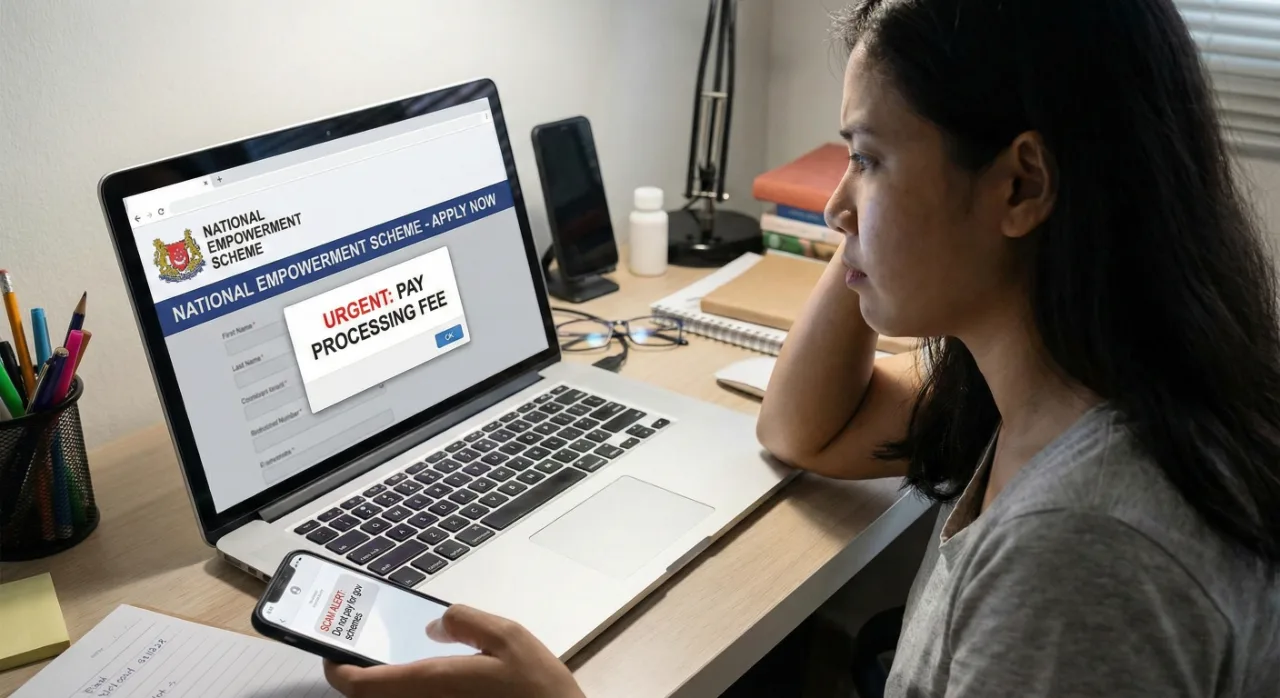
Fake government scheme websites have now become one of the quickest-growing online scams in India. Scammers make websites that are absolutely identical to the original government scheme websites. They use symbols of the country, logos of the ministries, images of political leaders, and phrases such as “Yojana,” “PM Scheme,” or “Government Approved.”
Thousands of citizens have already lost money and personal data because they trusted these fake portals.
This guide will help you learn how fake scheme websites work, how to spot the warning signs, and how to save yourself from becoming a victim.
What Are Fake Government Scheme Portals?
Fake scheme portals are fraudulent websites or mobile apps that claim to offer:
- New government subsidy schemes
- Cash transfer programs
- Free laptop or smartphone schemes
- PM employment schemes
- Housing benefits
- Scholarship programs
- Loan waiver schemes
- Direct Benefit Transfer (DBT) registration
These websites copy the design and structure of official portals. They often claim:
- “Limited time registration”
- “Last date to apply today”
- “Government approved scheme”
- “Register now to receive ₹50,000 benefit”
Their goal is simple: collect money or steal personal information.
How Fake Scheme Portals Work
Understanding their strategy helps you detect fraud early.
Step 1: Viral Social Media Promotion
Scammers circulate links through:
- WhatsApp forwards
- Telegram groups
- Facebook posts
- Instagram reels
- YouTube videos
The message usually claims that a new scheme has been launched and encourages immediate registration.
Step 2: Fake Website That Looks Official
The website may include:
- Government logos
- Photos of the Prime Minister
- National emblem images
- “.org” or “.in” domains that look authentic
But appearance alone does not guarantee legitimacy.
Step 3: Personal Data Collection
The site asks for:
- Aadhaar number
- PAN card
- Bank account details
- Mobile number
- OTP verification
Sometimes it also asks for a small “registration fee” ranging from ₹100 to ₹2,000.
Step 4: Disappearance
After payment or data submission:
- The website stops working
- Customer support becomes unreachable
- No scheme benefit is ever provided
In some cases, victims later face identity theft or unauthorized transactions.
Why People Fall for Fake Scheme Portals
These are scams that prey on hope and urgency.
- Financial pressure makes quick benefits attractive.
- People in rural and semi-urban areas do not check government sources.
- The inclusion of national symbols adds credibility.
- A lack of digital literacy makes one more vulnerable.
Scammers know that when a message is labeled “Government Scheme,” many people will believe it without questioning.
Real Government Portals vs Fake Websites
To protect yourself, you must know how to distinguish genuine government websites from fake ones.
1. Check the Domain Carefully
Official Indian government websites usually end with:
- .gov.in
- .nic.in
For example, authentic portals are hosted by the National Informatics Centre under government control.
If the website ends with:
- .com
- .org
- .in (without gov structure)
be cautious.
However, scammers may sometimes use similar-looking domain names, so always verify further.
2. Verify Through Official Ministry Sources
If a scheme is supposedly running under a certain ministry, check the official website of that ministry directly.
For instance, if a scheme is supposedly running under the Ministry of Rural Development, check the official ministry website independently through a search engine and see if the scheme is listed.
Do not check through links provided in forwarded emails.
3. Look for Secure Connection
Check if the website provides HTTPS encryption. While HTTPS does not necessarily ensure authenticity, the lack of it is a significant warning sign.
4. Avoid Websites Asking for Registration Fees
Most government schemes do not charge application fees to citizens. If a website demands immediate payment to “unlocks benefits,” it is likely a scam.
5. Cross-Check on Official Government Portals
The Government of India maintains centralized information platforms such as:
- MyGov
- Official ministry websites
- Direct Benefit Transfer (DBT) portal
If a scheme is genuine, it will be mentioned on official government platforms.
Common Types of Fake Scheme Scams
1. Cash Transfer Scams
Messages claiming the government is giving ₹10,000 or ₹50,000 directly to bank accounts after quick registration.
2. Free Device Schemes
Fraudulent sites promising free laptops or smartphones for students after paying a small processing fee.
3. PM Loan Schemes
Fake portals claiming instant approval under Prime Minister loan initiatives without proper documentation.
4. Farmer Subsidy Scams
Fake agricultural subsidy portals targeting farmers with promises of equipment grants.
5. Scholarship Fraud
Fraudsters create fake scholarship registration sites targeting students before exam seasons.
Warning Signs That a Scheme Portal Is Fake
Pay attention to these red flags:
- Poor grammar and spelling errors
- Countdown timers pressuring you to act quickly
- Unrealistic financial benefits
- No official contact details
- Only WhatsApp support number
- No verifiable physical office address
- Excessive advertisements on the page
Government portals are usually structured, clear, and do not use aggressive marketing tactics.
What to Do Before Applying to Any Government Scheme
Before entering any personal details:
- Use Google to search the name of the scheme with the word “official.”
- Check if the scheme has been covered by major news channels.
- Check the official website of the ministry.
- Do not click on the link sent through emails.
- Check the URL of the suspicious link through a reliable scam-checking website.
If you are unsure about the link of the scheme or the portal, you can check the website through the ScamDekho scam checker to check for possible risk indicators.
What to Do If You Already Submitted Details
If you suspect you have interacted with a fake portal:
- Immediately inform your bank if you shared financial details.
- Monitor bank transactions regularly.
- Change passwords of linked accounts.
- Preserve screenshots and transaction records.
You should report the incident to the National Cyber Crime Reporting Portal. Filing a complaint increases the chances of tracking fraud networks.
You can also visit your local cyber cell police station with all supporting documents.
Also Read: Top 7 Phone And SMS Scams You Should Never Ignore
Legal Consequences for Fake Scheme Portals
Operating fake government scheme websites can lead to serious legal consequences in India under:
- Cheating provisions of the Indian Penal Code
- Identity theft and forgery laws
- IT Act provisions related to cyber fraud
Cyber police units regularly shut down fraudulent domains and arrest scam operators. However, new fake portals continue to appear because fraudsters rely on low awareness among citizens.
Why Awareness Is the Strongest Protection
Technology has made government services more accessible. But it has also made impersonation easier.
A website can be designed in hours. A logo can be copied in seconds. A viral message can reach thousands within minutes.
The difference between safety and loss often depends on one habit: verification.
Before trusting any government scheme portal:
- Confirm the domain.
- Cross-check official sources.
- Avoid paying fees.
- Protect personal documents.
Scammers depend on urgency and emotion. Government schemes do not require panic decisions.
Final Advice
Not every website that uses the word “Government” is genuine. Not every scheme link forwarded on WhatsApp is official. And not every registration form leads to financial benefit.
In the digital era, citizens must combine opportunity with caution.
Verify before you apply.
Research before you register.
Confirm before you pay.
Awareness is your strongest defense against fake scheme portals defrauding users in India.