Getting a job offer feels good. Especially when the salary is decent and the company sounds legitimate.
But here is something worth thinking about — did you actually apply to this company? Did they reach out to you out of nowhere? Are they asking you to join within a few days?
If yes, slow down.
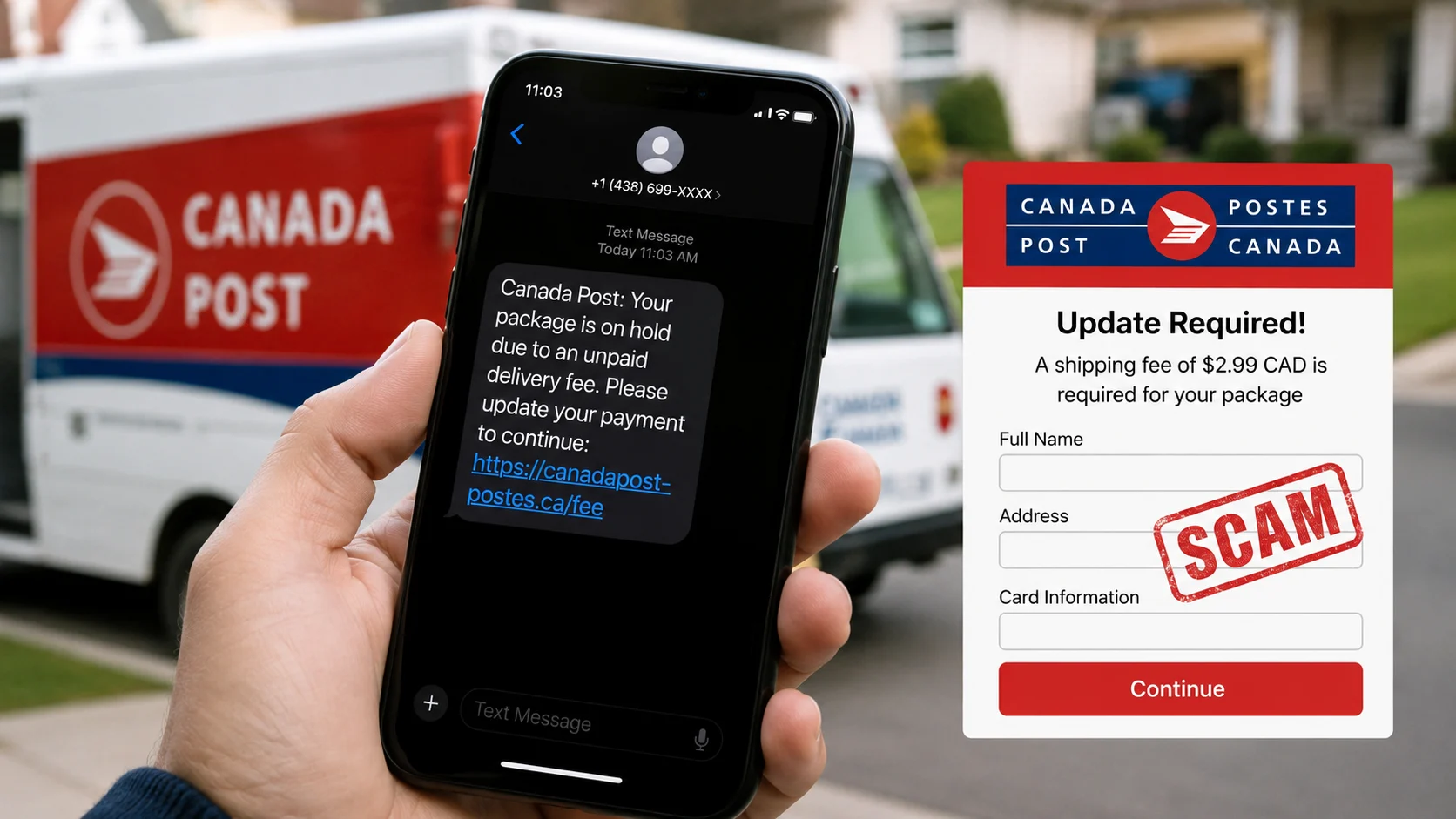
Fake job offers are one of the fastest growing scams in India right now. Scammers target freshers, people between jobs, and anyone actively looking for work. They send emails, WhatsApp messages, and even printed-looking offer letters that are hard to tell apart from the real thing.
The trap is always the same. You get excited, you trust the process, and somewhere along the way you end up paying a registration fee, a training deposit, or sharing documents you should never have shared. By the time something feels wrong, the damage is already done.
The scary part is not that these scams exist — it is how convincing they look.
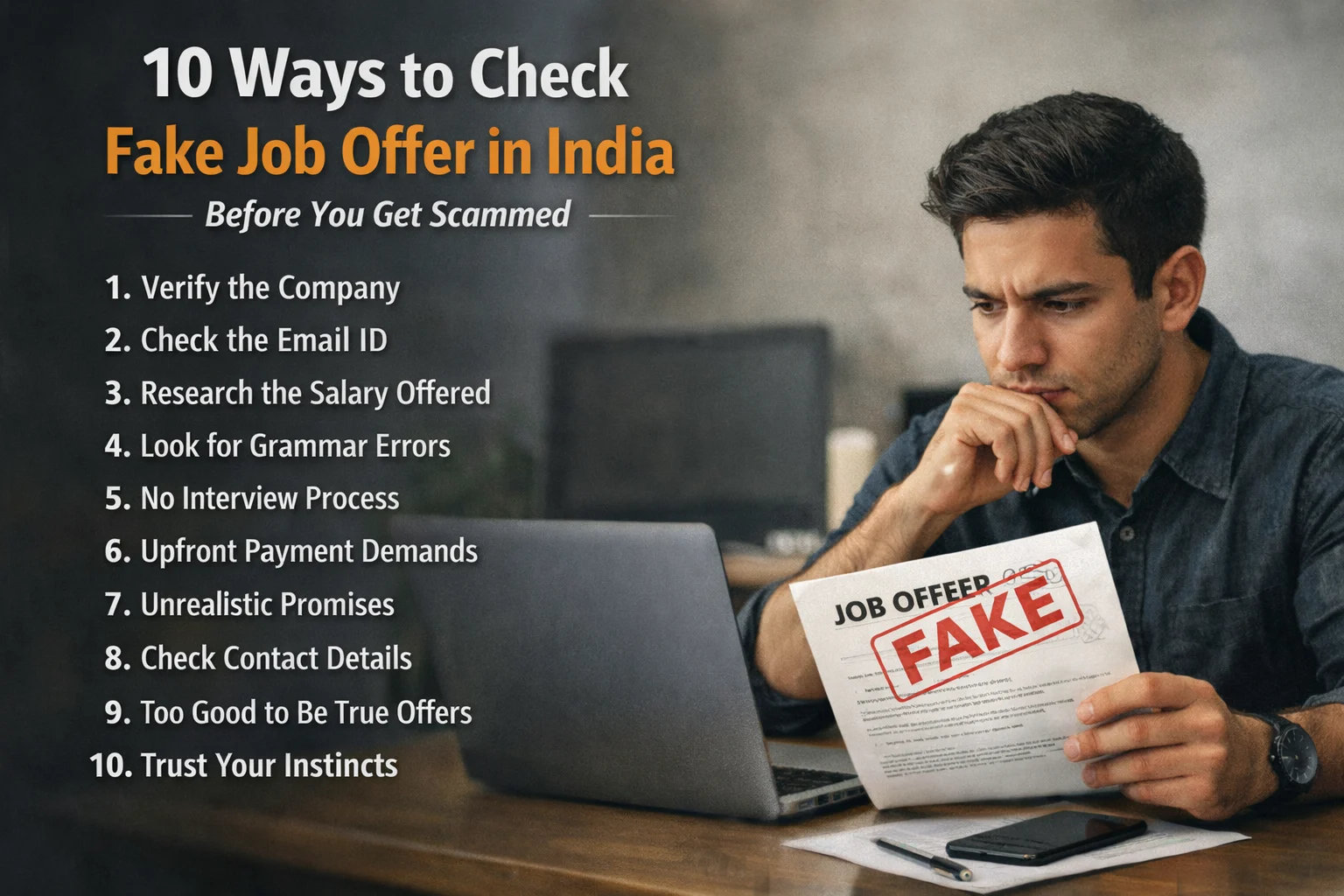
This guide covers 10 practical ways to verify any job offer you receive in India, the red flags that are easy to miss, and what to do if you think you have already been targeted.
1. Verify the Company’s Online Presence
Before anything else, check whether the company actually exists.
Search the company name on Google. A real company will have a working website with an About Us page, contact details, and usually a careers section. It does not have to be fancy — but it should clearly tell you who they are, what they do, and how to reach them.
Also look them up on LinkedIn. Most legitimate companies have an active page with real employees listed. If you cannot find the company anywhere, or the website looks rushed and half-finished, that is your first warning sign.
Do not ignore it.
2. Check the Email Address Carefully
The email address tells you a lot — if you know what to look for.
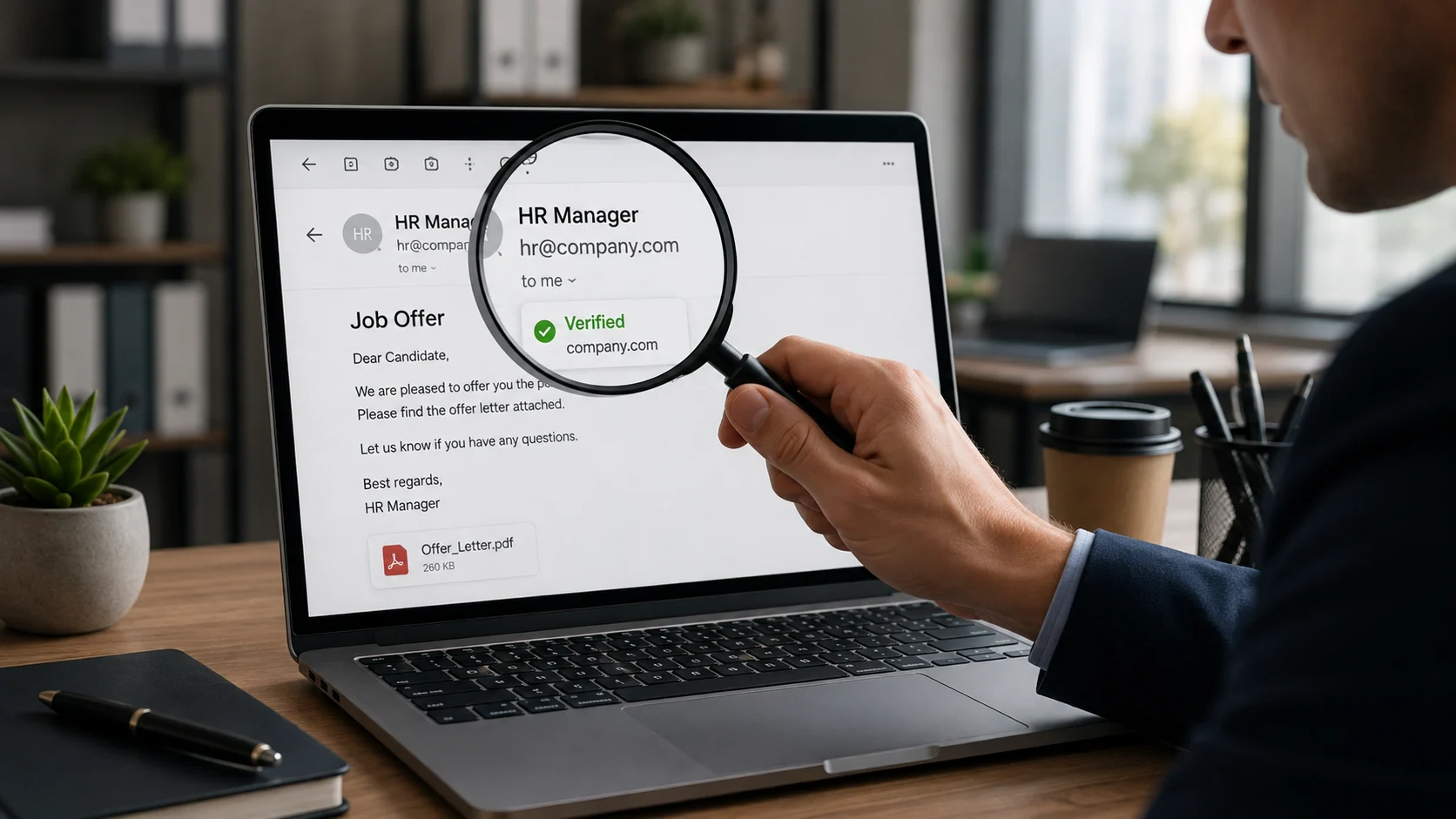
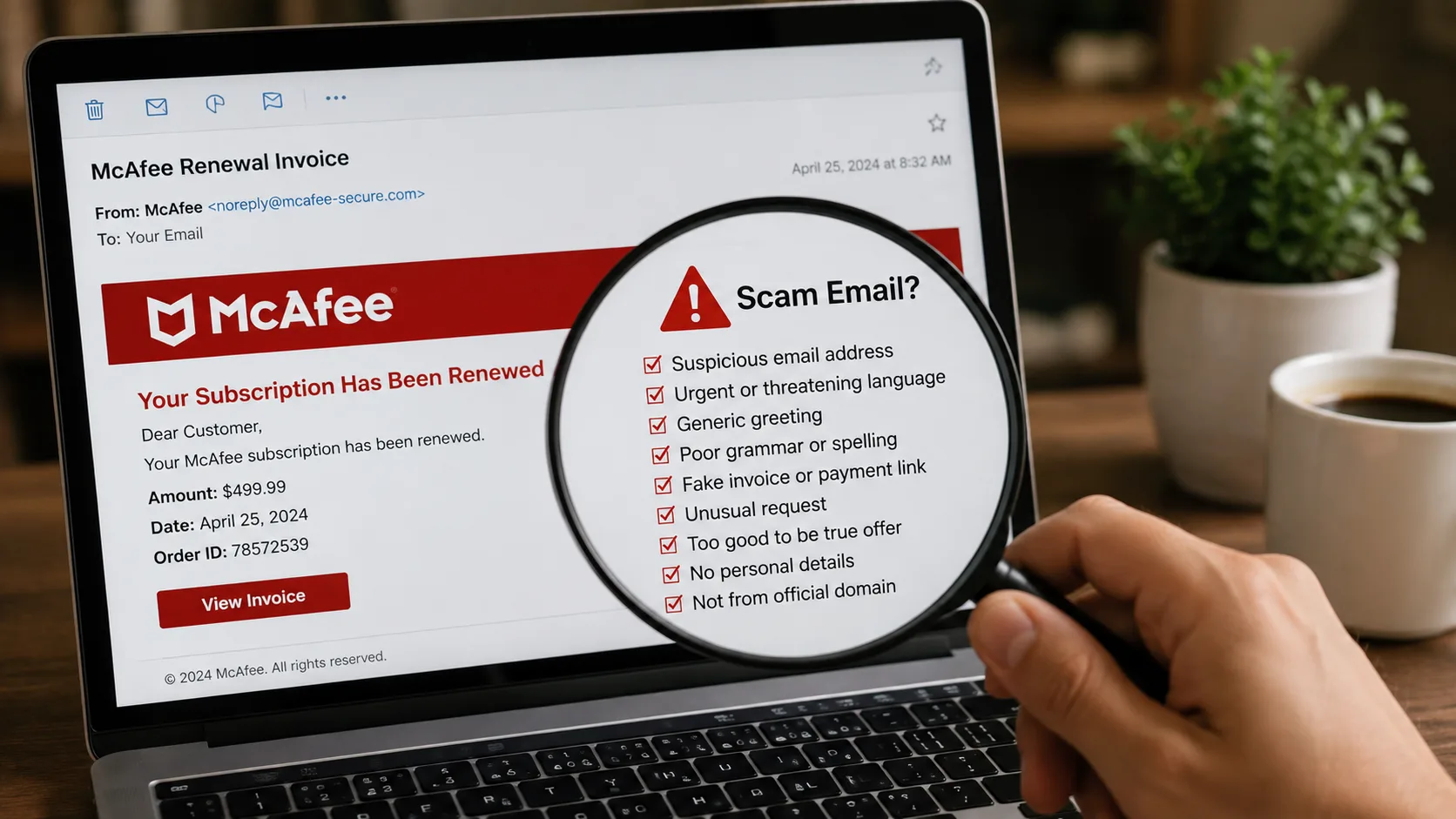
A genuine company will always contact you from an official domain. Something like hr@companyname.com. Not a Gmail. Not a Yahoo. Not a Hotmail.
Also look closely at the spelling. Scammers often use addresses like hr@companynamee.com or hr@company-name-india.com — close enough to look real at a quick glance, but wrong on closer inspection.
And if the email starts with “Dear Candidate” instead of your actual name, be careful. Real recruiters know who they are writing to.
3. Never Pay Money for a Job
This is the most important point in this entire guide. Read it carefully.
No real company will ever ask you to pay money to get a job. Not for registration. Not for training. Not for a security deposit. Not for an ID card. Never.
Scammers often make these fees sound reasonable — sometimes they even promise a refund after joining. But once you transfer the money, they disappear. The job was never real.
If anyone asks you to pay via UPI, bank transfer, or any payment app as part of a hiring process — stop all communication immediately. There is nothing more to verify. It is a scam.
4. Carefully Analyze the Offer Letter
Fake offer letters can look surprisingly professional. But if you look closely, the cracks start to show.
Check for the company’s official logo, correct address, and proper contact information. The formatting should be clean and consistent throughout the document. Watch for spelling mistakes, grammar errors, blurry logos, or missing signatures — these are all signs that the document was put together carelessly.
If something about the letter feels slightly off, trust that feeling. You can also search for real offer letter samples from that company online and compare them side by side.
5. Contact the Company Directly
This is one of the simplest and most effective checks — and most people skip it.
Go to the company’s official website, find their contact number or HR email, and reach out directly. Ask them whether the offer you received is genuine. It takes five minutes and can save you from a very expensive mistake.
If the company has no idea who you are or says the offer is fake, you have your answer. If they confirm it is real, you can proceed with confidence.
Do not use the contact details mentioned in the offer letter itself. Always find them independently.
6. Watch Out for Unrealistic Job Offers
If an offer sounds too good to be true, it usually is.
High salary for minimal work. Immediate joining without any interview. No experience required for a senior role. These are classic signs of a fake offer designed to attract people who are desperate or in a hurry.
Real companies invest time in hiring the right person. They do not skip interviews, they do not offer extraordinary packages to unknown candidates out of nowhere, and they do not pressure you to decide within 24 hours.
Whenever an offer feels unusually generous or unusually easy — slow down and verify.
7. Avoid WhatsApp and Telegram Job Offers
If someone is offering you a job entirely over WhatsApp or Telegram, be very careful.
Scammers love these platforms because they are informal, fast, and hard to trace. Messages come from unknown numbers, there is no official communication trail, and victims are often asked to make payments through the same chat.
Legitimate companies use email for formal communication. They do not conduct hiring processes entirely through messaging apps. If a job offer arrives only on WhatsApp or Telegram with no proper email follow-up or official documentation, treat it as suspicious.
8. Search for Reviews and Scam Reports
A quick Google search can reveal a lot.
Type the company name along with words like “scam,” “fake job offer,” or “fraud” and see what comes up. Check Quora and Reddit as well — these platforms often have threads where people share their experiences with fake recruiters and fraudulent companies.
If multiple people have reported the same company for similar reasons, take that seriously. Other people’s bad experiences exist to warn you.
9. Verify Job Listings on Portals
Even established job portals like Naukri, LinkedIn, and Indeed occasionally have fake listings. Do not assume a listing is genuine just because it appears on a trusted platform.
When you come across a job posting, check the recruiter’s profile carefully. See if the company has an officially verified page on the platform. Read the job description closely — if it is vague, asks for personal details upfront, or directs you to contact someone on WhatsApp, be cautious.
Always apply through the company’s official career page when possible.
10. Evaluate the Interview Process
A real hiring process takes effort — from both sides.
You should expect at least one proper interview where your skills, experience, and fit for the role are assessed. Real recruiters ask meaningful questions. They want to know if you are the right person for the job.
If you are selected after a two-minute chat, or without any interview at all, something is wrong. Scammers skip the interview process because they are not actually hiring anyone — they are just looking for the next person to trick.
Selection that feels too easy is not luck. It is a warning sign.
Free Fake Job Offer Checker Tool: Check Any Job Instantly
ScamDekho is India’s free fake job offer checker tool. You do not need to create an account. You do not need to download any app. Just paste the link and get your answer in seconds.
How to Use ScamDekho to Check Any Job Offer Link
Step 1 — Do Not Click the Link Directly
Press and hold the job link in WhatsApp, Telegram, or SMS. Select “Copy Link.” This lets you check it safely without opening it.
Step 2 — Open ScamDekho
Go to scamdekho.in
You will see the URL Checker tool right on the homepage. No login needed.
Step 3 — Paste the Link and Hit Check
Paste the copied job link into the checker box and click Check Now.
ScamDekho instantly scans the link for:
- Domain Age — Fake job sites are almost always less than 30 days old
- Google Safe Browsing — Already reported scam links are flagged instantly
- Phishing Database Match — Checked against thousands of known fraud links
- SSL & Hosting Reputation — Whether the server is linked to fraud activity
- Redirect Behaviour — Whether the link is hiding its real destination
- IP Reputation — Whether the website is hosted on a known scam server
Step 4 — Read Your Result
| Result | What It Means | What to Do |
|---|---|---|
| Safe | Link appears genuine | Still verify company directly |
| Scam | Confirmed scam link | Delete message, report immediately |
Why ScamDekho? Most Indians click first and regret later. ScamDekho gives you the answer before you click — completely free, no technical knowledge needed, works on any device.
Common Types of Job Scams in India
It helps to know what you are up against. These are the most common job scams currently operating in India:
- Data entry and work-from-home scams ask for an upfront payment for training or materials, then either disappear or provide work without ever paying for it.
- Fake government job offers use official-looking documents, government logos, and formal language to appear legitimate. Many people fall for these because they carry an air of authority.
- Call center job scams require you to pay for training sessions or ID cards before you can start work. The job never materializes.
- Freelance scams involve getting real done from the victim and then refusing to pay, claiming issues with quality or disappearing entirely.
- Overseas job scams promise well-paying jobs abroad but ask for visa fees, processing charges, or travel costs upfront. The job does not exist.
How to Report Fake Job Scams in India
If you come across a fake job offer — whether you fell for it or caught it in time — report it. Your report can prevent someone else from going through the same experience.
You can file a complaint online at cybercrime.gov.in or call the cybercrime helpline at 1930. Both options are free and available to anyone in India.
Reporting takes ten minutes. It could save someone else from losing their savings.
Final Thoughts
Fake job offers are getting more sophisticated every year. Scammers now use real company names, well-designed offer letters, and convincing email templates that are genuinely difficult to tell apart from the real thing.
But the fundamentals have not changed. No real job requires payment. No legitimate company skips a proper interview. And no genuine recruiter pressures you to decide in a hurry.
Take your time. Do your checks. And if something does not feel right — trust that instinct. Your career can wait a few days for verification. Your savings cannot afford to be lost to a scam.