Every day, thousands of Indians lose their hard earned money to online shopping scams. From fake shopping sites offering “90% off” deals to pyramid schemes like Safe Shop, digital scams are growing faster than ever in India.
If you have ever wondered what is online fraud and how it actually works, you are in the right place. In this guide, I will break down real online shopping fraud cases, show you how to identify fake shopping websites, and give you practical steps to protect yourself in 2026.
Let me be honest. I have personally come across multiple fake shopping sites while researching for this blog. Some of them looked so real that even I had to double check. That is exactly why this guide exists.
What is Internet Fraud and Why Should You Care?
Internet fraud is any illegal activity where someone uses the internet to steal money, personal data, or both. When we talk specifically about what is online fraud in the context of shopping, it means scammers creating fake platforms or offers to trick you into paying for products that never arrive.
India reported over 11 lakh cyber crime complaints in 2024 alone, according to the National Cyber Crime Reporting Portal. And a large chunk of these were related to online shopping scams in India.
The problem? Most people do not even report these scams because the amount lost feels “too small.” But when you add it all up, we are talking about thousands of crores every year.
How Do Online Shopping Scams Actually Work?
Before I list the types, let me explain the basic pattern that most digital scams follow. Understanding this pattern will help you spot any new scam, even the ones that do not exist yet.
The usual flow looks like this:
- You see an unbelievable deal on social media or WhatsApp
- You click and land on a website that looks professional
- You place an order and make the payment
- Either the product never arrives, or you get a cheap knockoff
- When you try to contact customer support, the number is dead
Simple. Effective. And thousands of Indians fall for it every single week.
Types of Online Shopping Fraud in India (2026)
1. Fake Shopping Sites with Huge Discounts
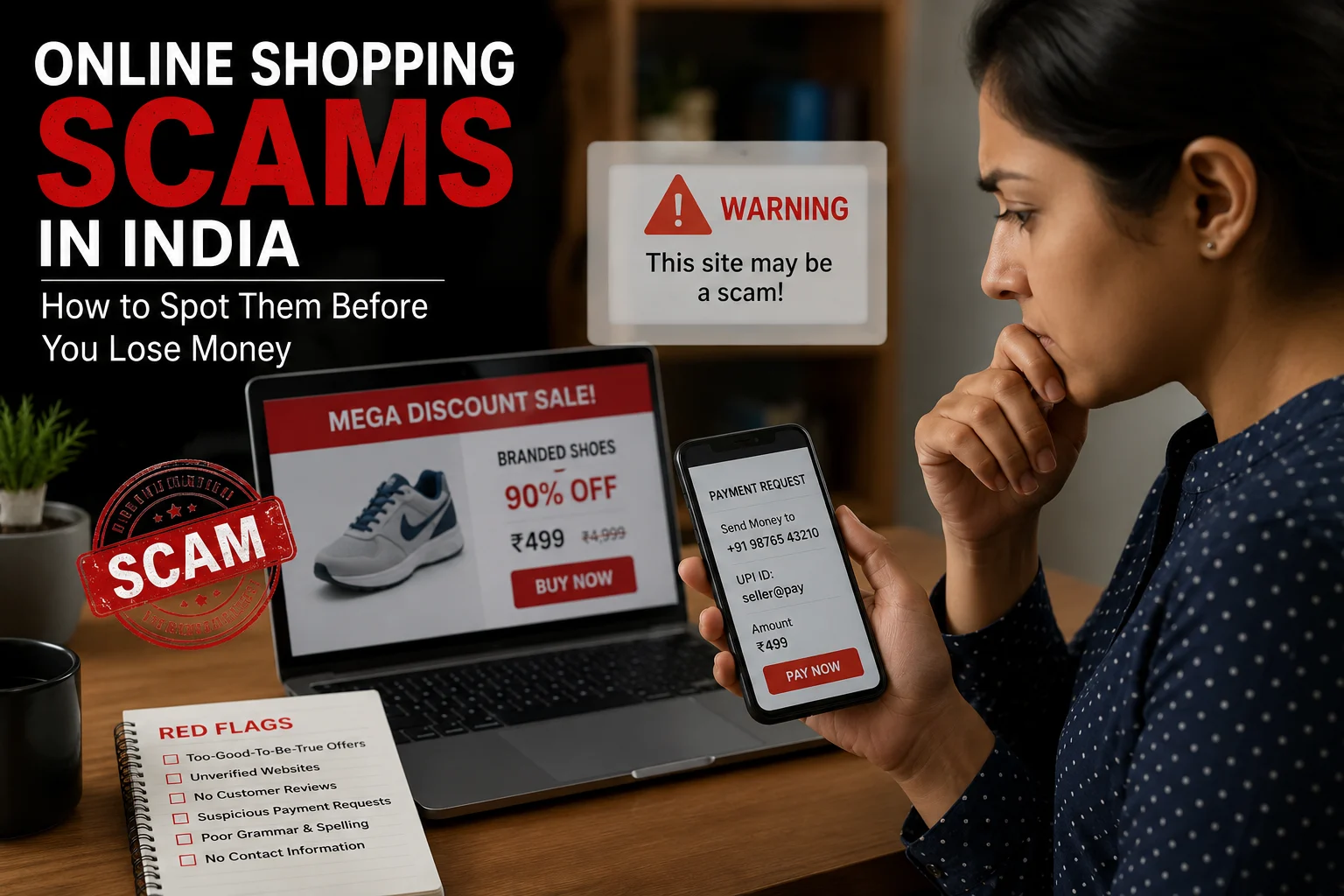
These are standalone websites that copy the design of popular brands. They run Instagram and Facebook ads showing branded products at 70 to 90 percent off.
Red flags to watch for:
- Domain registered only a few weeks ago
- No physical address or GSTIN mentioned
- Only prepaid payment options, no cash on delivery
- Too good to be true pricing
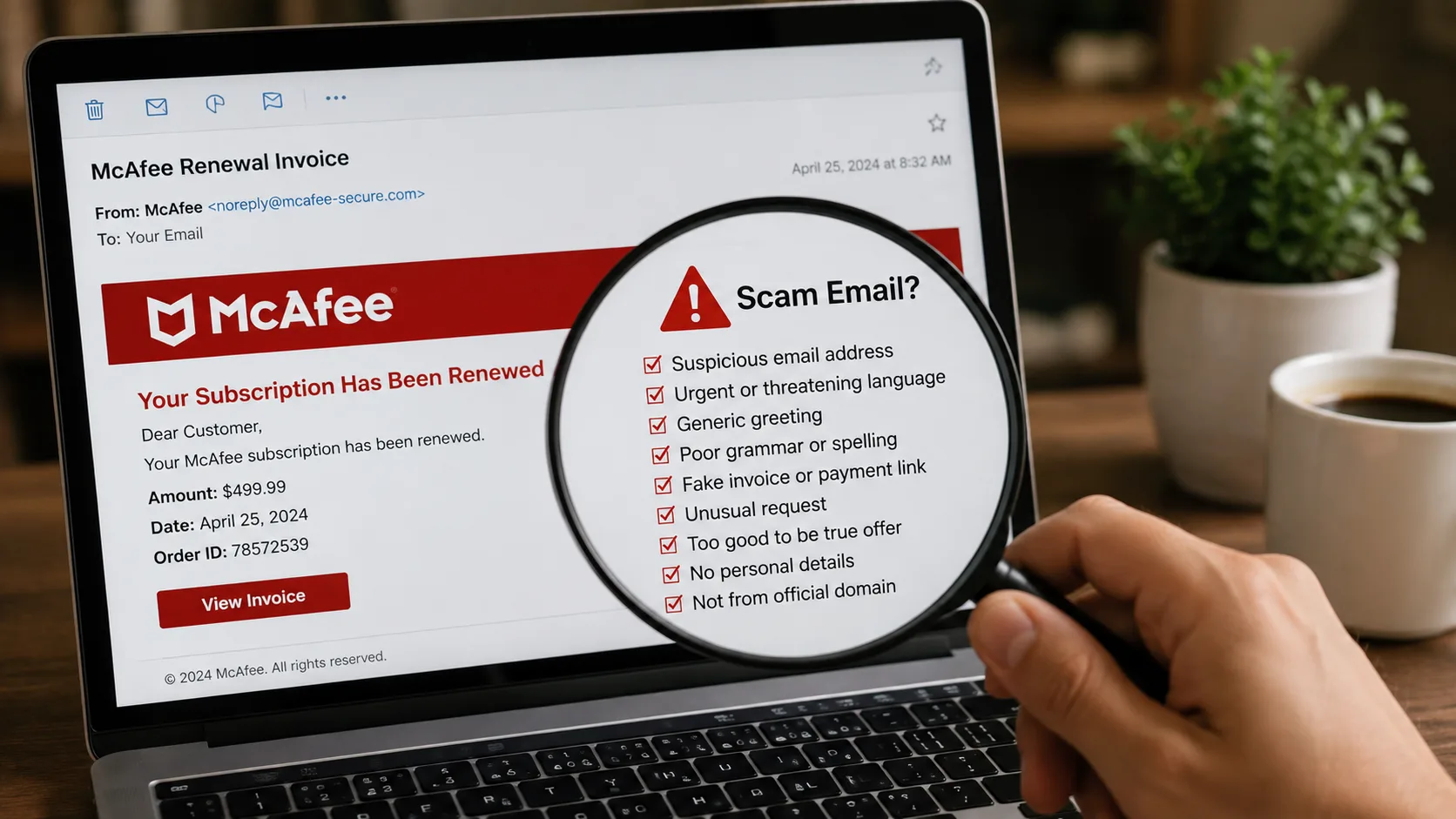
- Poor grammar and blurry product images
Quick tip: Before buying from any new website, check its domain age on Whois. If it was registered less than 6 months ago, stay away.
2. Fake Seller Accounts on Legitimate Platforms
Even on trusted platforms like Amazon, Flipkart, and Meesho, some sellers create fake accounts. They list products at low prices, collect orders, and either send empty boxes or never ship at all.
How to protect yourself:
- Always check seller ratings and reviews
- Look for “Fulfilled by Amazon” or “Flipkart Assured” tags
- Avoid sellers with zero reviews or brand new accounts
3. Social Media Shopping Scams
This is probably the fastest growing category of online scams in India right now. Scammers run paid ads on Instagram and Facebook with stolen product photos. They create urgency with phrases like “Only 2 left” or “Sale ends tonight.”
I personally tracked one such Instagram page last month. It had 50,000 followers, all bought. The comments were full of bots saying “Received my order, quality is amazing.” But when I reverse searched their product photos, they were stolen from AliExpress listings.
4. WhatsApp and Telegram Shopping Scams
You get added to a group. Someone shares a Google Form or a direct UPI link for discounted electronics or branded clothes. You pay. Product never comes. And you get removed from the group.
This is extremely common in tier 2 and tier 3 cities where people trust WhatsApp forwards more than official websites.
Safe Shop Scams: India’s Biggest MLM Shopping Fraud
Let me talk about this in detail because Safe Shop frauds have affected lakhs of Indians, mostly in smaller towns and rural areas.
Safe Shop, also known as Safe Shop India, presented itself as a direct selling or network marketing company. They sold overpriced products like tablets, health supplements, and educational courses. But the real “business” was not about selling products. It was about recruiting new members.
Here is how the Safe Shop scam worked:
- You paid a joining fee, usually between Rs 3,000 to Rs 12,000
- You received a low quality product that was worth a fraction of what you paid
- To earn money, you had to recruit more people under you
- The people at the top made money while those at the bottom lost everything
The FTC and even Indian consumer courts have flagged such models as pyramid schemes. Multiple complaints were filed on consumer forums and the National Consumer Helpline against Safe Shop.
Why did so many people fall for it?
Because the pitch was emotional. Recruiters showed fake income proof, rented luxury cars for seminars, and promised “financial freedom.” In states like Bihar, Jharkhand, UP, and Rajasthan, thousands of students, unemployed youth, and small town workers invested their savings.
If someone is pitching you a “business opportunity” where the income depends more on recruitment than actual product sales, it is almost certainly a scam. Walk away.
How to Identify Fake Shopping Websites in 2026
Here is a quick checklist you can use every time you shop on a new website:
| Check This | What to Look For |
|---|---|
| URL | Should start with https, look for misspellings |
| Contact Info | Real phone number, email, and physical address |
| GSTIN | Legitimate Indian businesses display this |
| Payment Options | COD available or only prepaid? |
| Return Policy | Clearly mentioned or hidden? |
| Domain Age | Use Whois lookup, avoid sites less than 6 months old |
| Reviews | Search “[website name] + review” or “+ scam” on Google |
Pro tip : Use the Government of India’s Sanchar Saathi portal to verify suspicious numbers. Also, check the DPIIT recognition page if a website claims to be a registered startup also you can check website on scamdekho
What to Do If You Have Been Scammed
If you have already lost money to an online shopping fraud, do not panic. Take these steps immediately:
Step 1: Take screenshots of everything. The website, payment confirmation, WhatsApp chats, ads, everything.
Step 2: Report on the National Cyber Crime Portal at cybercrime.gov.in. You can also call 1930, which is the cyber crime helpline.
Step 3: File a complaint with your bank or UPI app (Google Pay, PhonePe, Paytm) to initiate a chargeback or reversal.
Step 4: Report the website or social media page. On Instagram, use the “Report” option. For websites, report to Google Safe Browsing.
Step 5: If the amount is significant, file an FIR at your local police station under the IT Act.
The faster you act, the higher your chances of getting your money back.
5 Simple Rules to Stay Safe While Shopping Online
- If the deal feels too good, it probably is. No one sells an iPhone for Rs 5,000.
- Never share OTP with anyone. No legitimate company will ever ask for it.
- Use credit cards instead of debit cards for online shopping. Credit cards offer better fraud protection.
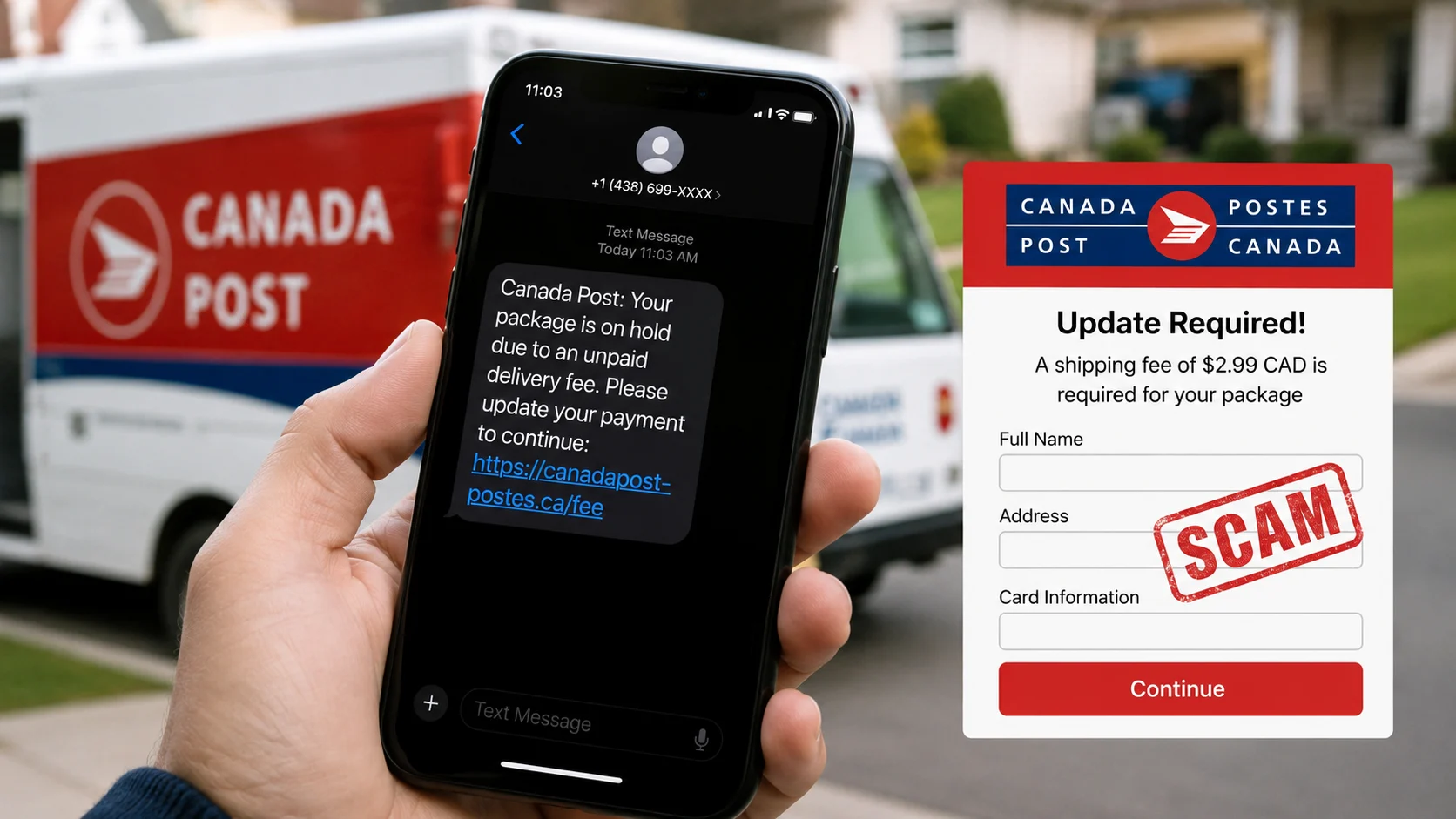
- Avoid clicking on links from unknown WhatsApp messages or SMS. Type the URL manually.
- Keep your apps and browser updated. Security patches fix vulnerabilities that scammers exploit.
- Never trust payment screenshots as proof. Scammers use fake payment screenshot generators to show you fabricated UPI or bank transfer confirmations. Always verify the payment directly in your bank app or UPI app before handing over any product or service.
Final Thoughts
Online shopping scams in India are not going away anytime soon. If anything, they are getting smarter. From fake shopping websites that look identical to real brands, to pyramid schemes like Safe Shop that prey on people’s dreams, the threats are real and evolving.
Your best defence is awareness. Bookmark this guide, share it with your family and friends, and always verify before you pay. A two minute check can save you from losing thousands.
Stay alert. Shop smart. And if something feels off, trust your gut.
FAQ: Online Shopping Scams in India
Q: What are some common online shopping scams examples in India?
Fake discount websites, duplicate product listings on marketplaces, WhatsApp group scams, Instagram page frauds, and MLM schemes like Safe Shop are the most common examples in 2026.
Q: How do I report online shopping fraud in India?
Visit cybercrime.gov.in or call 1930. You can also file a complaint on the National Consumer Helpline at 1800-11-4000.
Q: Are all direct selling companies scams?
No. Legitimate direct selling companies follow the Consumer Protection (Direct Selling) Rules, 2021. The difference is that real companies focus on product sales, not recruitment.
Q: Can I get my money back after being scammed?
Yes, if you act fast. Contact your bank, file a complaint on the cyber crime portal, and request a chargeback through your payment app.