You get a WhatsApp message from an unknown number. Wrong number, it seems. The person is friendly. Educated. Well-spoken. Over the next few days, they become a trusted contact — sharing life updates, investment insights, and eventually, an opportunity that sounds too good to pass up.
Three months later, your life savings are gone.
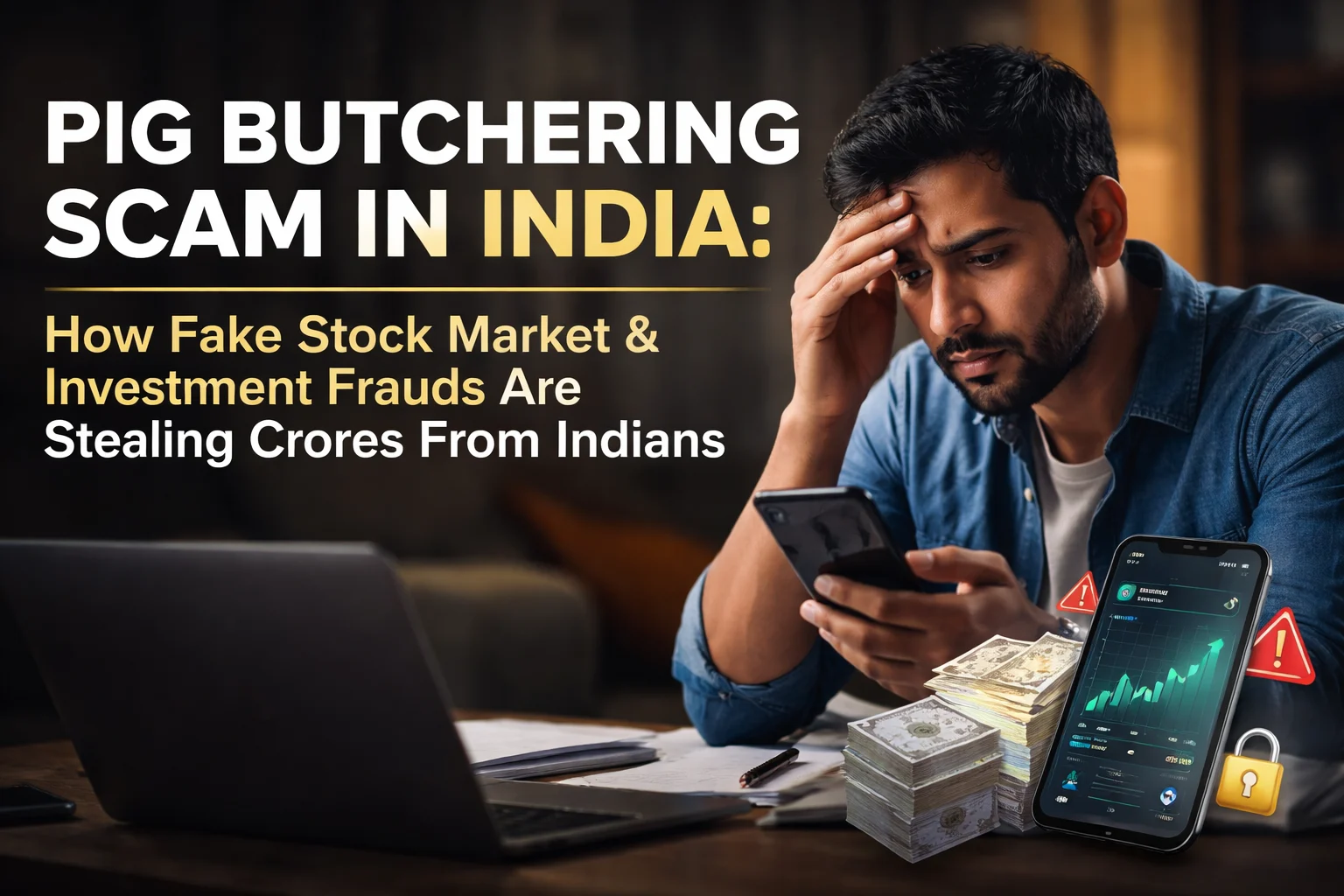
This is the pig butchering scam — and it is now one of the most financially destructive cyber frauds operating in India. The name comes from a brutal analogy: scammers “fatten the pig” with trust and attention before “slaughtering” it and stealing everything.
In this complete guide, we explain exactly what the pig butchering scam is, how it specifically targets Indians on WhatsApp and Telegram, real victim cases, fake trading apps used in India, and the exact steps to verify any investment opportunity before you put in a single rupee.
What Is the Pig Butchering Scam?
The pig butchering scam — also known as “Sha Zhu Pan” (杀猪盘) in Chinese — is a sophisticated long-term fraud that combines romance manipulation, fake investment platforms, and psychological pressure to steal large sums of money.
Unlike most scams that try to steal money quickly, pig butchering scammers are patient. They spend weeks or months building a genuine emotional connection with the victim before introducing the investment trap. By the time money is requested, the victim trusts the scammer completely — making this one of the hardest scams to detect and resist.
Key difference from other scams: Most scams steal small amounts from many people quickly. Pig butchering targets fewer people but steals far more — often lakhs or crores from a single victim.
How Big Is This Problem in India?
- Investment fraud — driven primarily by pig butchering — accounts for 76% of all money lost to cyber fraud in India
- ₹14,000 crore was lost to investment and trading scams in India in 2024 alone
- The Ministry of Home Affairs confirmed pig butchering complaints via WhatsApp, Telegram, Instagram, Facebook, YouTube, and Google Ads
- An Indian IT professional lost $450,000 (approx. ₹3.7 crore) after being targeted on a dating app by a scammer using deepfake videos
- Globally, pig butchering caused $12.4 billion in losses in 2023 — making it the world’s most financially damaging scam category
- Scam centres operating from Myanmar, Cambodia, and Dubai specifically run India-targeted operations in Hindi, Tamil, Telugu, and other regional languages
How the Pig Butchering Scam Works in India — Step by Step
Stage 1: The First Contact (The Hunt)
The scam begins with an innocent-seeming message. Scammers use multiple entry points:
- Wrong number message: “Hi, is this Rahul? Sorry, wrong number!” — then continues the conversation naturally
- WhatsApp/Telegram group invite: Added to a “premium investment group” with professional branding
- Dating app match: An attractive profile on Tinder, Bumble, or Hinge — often using AI-generated or stolen photos
- Instagram/LinkedIn DM: Posing as a business professional, NRI, or successful investor
- Facebook or YouTube ad: Fake testimonials for a high-return investment platform
Scammer profiles are carefully constructed. They use stolen photos, detailed backstories, lifestyle posts, and even fake social networks of “friends and family” who interact on their profiles to appear real.
Stage 2: Building Trust (Fattening the Pig)
This is the most time-consuming stage — and what makes pig butchering different from all other scams. The scammer spends days or weeks building a genuine emotional connection:
- Daily good morning and good night messages
- Sharing personal stories, photos, life updates
- Asking about your life, family, work, and dreams
- Casually mentioning their own financial success without pushing anything
- In romance variants — developing deep emotional and sometimes romantic feelings
By the end of this stage, you genuinely like and trust this person. You have no reason to suspect them. That is the point.
Stage 3: The Investment Introduction
Gradually, naturally, the scammer mentions investments. Not as a pitch — as a casual share. “My uncle works at a trading firm and gave me a great tip last week — I made ₹80,000.” They show you screenshots. They are not pushy. They say you do not have to invest if you do not want to.
You ask about it. They guide you — slowly, patiently — to a trading group on WhatsApp or Telegram, or directly to a fake app.
Stage 4: The Fake Trading Platform
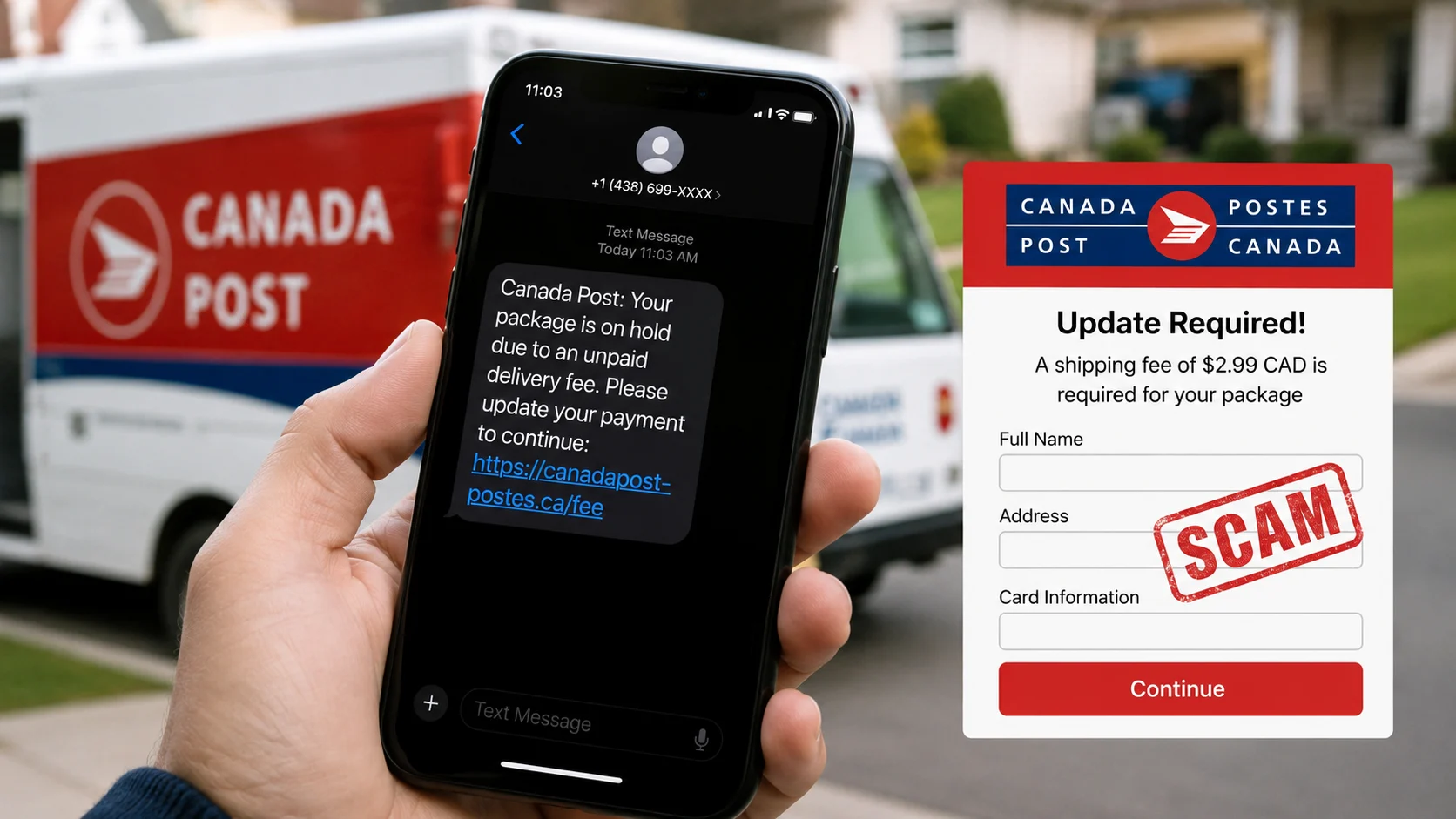
You are asked to download a trading app — usually via a direct link, not the Play Store. The app looks completely professional. It shows:
- Live stock prices and crypto charts
- Your portfolio with growing returns
- Other members’ profit notifications
- Customer support chat
- Withdrawal history showing others receiving payments
You invest a small amount — ₹5,000 or ₹10,000. The app shows a 15% profit the next day. You withdraw it successfully. It works. Confidence builds.
Stage 5: Increasing Investments (The Slaughter Begins)
The scammer encourages you to invest more. You invest ₹50,000. Then ₹2 lakh. Then ₹10 lakh. The app keeps showing profits. Group members are celebrating. The “expert” tells you that you have a gift for trading. A special IPO opportunity is coming — you need to invest more to access it. You borrow from family. You take a loan. You invest your retirement savings.
Stage 6: The Withdrawal Block (The Slaughter)
You try to withdraw. The app says you need to pay a 5% “capital gains tax” first. You pay it. Then a “SEBI compliance fee.” Then a “foreign remittance clearance charge.” Then one final “GST payment.” Every fee you pay, another one appears. The balance in the app keeps showing crores. But you can never access it. Then — the app goes offline. The scammer’s number is switched off. The Telegram group disappears. Everything is gone.
Real Victim Cases in India
Case 1 — Indian IT Professional, Philadelphia — ₹3.7 Crore Lost
An Indian IT professional working in Philadelphia was targeted on a dating app by a scammer posing as a French wine trader. Using deepfake videos and scripted emotional manipulation, the scammer built an intense romantic connection over weeks. He gradually persuaded her to invest in fake cryptocurrency platforms. She ultimately lost more than $450,000 — leaving her in crushing debt with no way to recover funds sent abroad.
Case 2 — Mumbai, Maharashtra — ₹1.23 Crore Lost
A 49-year-old project manager was added to a WhatsApp group called “W1001-ACME Wealth Private Limited Group.” A woman named Priyanka guided him on trading strategies and had him download the fake “ACME Wealth” app. His initial ₹1 lakh investment showed 10% profit the next day. A fake SEBI certificate was provided for credibility. When he tried to withdraw ₹9 crore shown in the app, he was asked for a 5% “tax.” Total real loss: ₹1.23 crore.
Case 3 — Hyderabad, Telangana — ₹5.9 Crore Lost
A businessman received a message promoting a “Goldman Sachs Business School” for block trading. A woman posing as the Goldman Sachs MD’s assistant presented a fake SEBI-certified opportunity. He downloaded a fake trading app called “GSIN” and invested ₹5.9 crore across multiple transactions. When he tried to withdraw, a 20% “access fee” was demanded. He had lost everything.
Case 4 — Faridabad, Haryana — ₹7 Crore Lost
A woman was lured through a fake investment app promoted via social media. She was added to a WhatsApp group named “ICICI IR Team” where fake success stories were posted constantly. She invested her savings over several months. An ED investigation later found her ₹7 crore had been converted to cryptocurrency and sent abroad through shell company accounts.
Case 5 — Hyderabad, Telangana — ₹71.11 Lakh Lost
A private sector employee received a WhatsApp link on Christmas Day inviting him to a Telegram group associated with a “multinational financial services company.” Fraudsters created a fake internal equity account using his Aadhaar details. The portal showed a balance of ₹2.20 crore. When he tried to withdraw, all access was blocked. Total real loss: ₹71.11 lakh.
Fake Trading Apps and WhatsApp Groups Used in India
These apps and group names have been documented in police FIRs and ED investigations across India:
Fake Trading Apps
- ACME Wealth — Mumbai ₹1.23 crore case (2026)
- GSIN — Goldman Sachs impersonation, Hyderabad ₹5.9 crore case
- IC ORGAN MAX — ED investigation, multiple crore losses
- EltAs Fud — Hyderabad arrest case
- Costa Well Grown — ₹43 lakh victim losses
- NFM Capital Markets — Hyderabad police complaint
Fake WhatsApp Group Names
- ICICI IR Team
- Goldman Sachs Business School
- BlackRock Stock Club
- JP Morgan Investment Group
- W1001-ACME Wealth Private Limited Group
- GFSL Securities Official Stock C 80
- SMG Global Securities
None of these groups are affiliated with the real companies they impersonate. ICICI, Goldman Sachs, BlackRock, and JP Morgan do not recruit investors or share tips through WhatsApp or Telegram.
How Pig Butchering Targets Indians Specifically
Scam centres operating from Myanmar, Cambodia, and Dubai have dedicated India teams. Here is how they personalise attacks for Indian victims:
- Communicating in Hindi, Telugu, Tamil, Kannada, or the victim’s regional language
- Referencing Indian cities, landmarks, Bollywood, cricket, and local culture to build familiarity
- Targeting NRIs with stories about overseas investment opportunities
- Using Indian names, Indian stock market terminology, and SEBI branding
- Impersonating Indian banks — ICICI, HDFC, SBI — and Indian brokers like Zerodha and Angel One
- Timing attacks around IPO seasons, budget announcements, and festive periods when investment interest is high
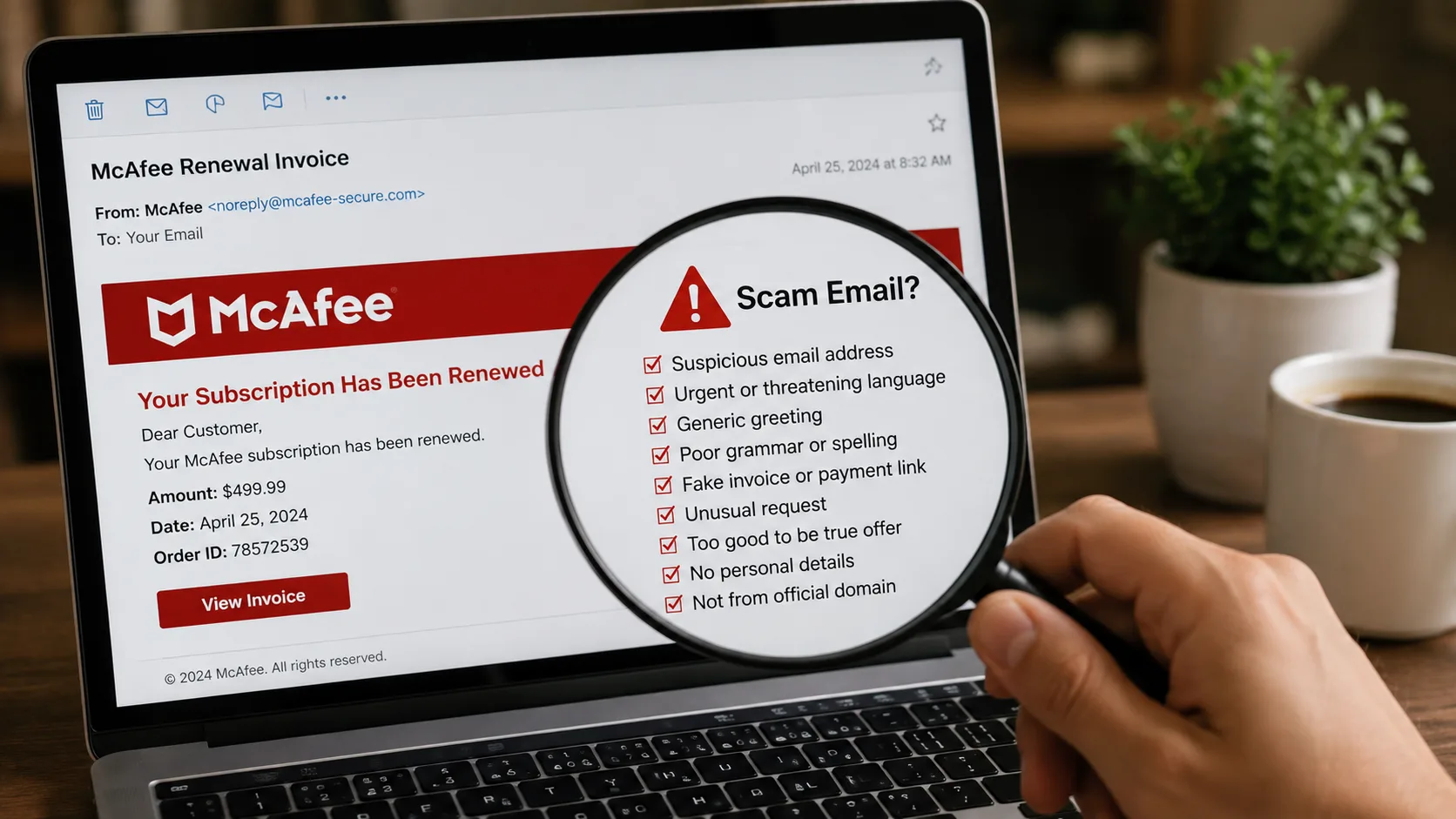
Warning Signs — How to Identify a Pig Butchering Scam
- You received a message from an unknown number — wrong number, networking invite, or random introduction
- The person quickly becomes close but avoids video calls or meeting in person
- They casually mention their investment success without pushing you to invest
- They guide you to a specific trading app or WhatsApp group
- The trading app was sent via a direct link — not downloaded from Play Store or App Store
- Early investments show immediate, impressive returns
- You are encouraged to invest more — “a special IPO window is closing”
- Withdrawal is blocked by demands for taxes, fees, or compliance charges
- Reverse image search of their photo shows it belongs to someone else
- The app shows a large balance that keeps growing but can never be withdrawn
How to Verify Any Investment Before You Put In Money
1. Check SEBI Registration at sebi.gov.in
Every legitimate broker and investment advisor in India must be registered with SEBI. Go to sebi.gov.in → Intermediaries → search the platform or broker name. If it is not listed — do not invest. Any SEBI certificate sent via WhatsApp can be fabricated in minutes and means nothing.
2. Only Use Official App Store Downloads
Never download a trading app from a WhatsApp or Telegram link. All legitimate trading apps — Zerodha, Groww, Upstox, Angel One — are on the official Play Store and App Store. A link-only app is always fake.
3. Do a Reverse Image Search
Take the profile photo of the person who contacted you and run a reverse image search on Google Images or TinEye. If the photo belongs to someone else — model, stock photo, or real person — the account is fake. This takes 30 seconds and immediately exposes most pig butchering scammers.
4. Verify the Company on MCA Portal
Check the company at mca.gov.in → MCA Services → View Company/LLP Master Data. Check registration date and director details. Most fake companies were registered days before they contacted you.
5. Never Pay Fees to Withdraw Your Own Money
No legitimate broker, trading platform, or investment firm charges fees to withdraw your own money. Any withdrawal fee — tax, GST, SEBI compliance, foreign remittance — is a scam signal. Stop all payments immediately and call 1930.
6. Check the Website on ScamDekho
Before registering on any investment platform, check the website URL on ScamDekho. ScamDekho checks domain age, SSL certificate, hosting reputation, and known fraud databases. Fake investment websites are almost always registered less than 30 days before they contact you. Free, no login required.
Legitimate SEBI-Registered Brokers in India
Only use these verified platforms for stock market investments:
- Zerodha — zerodha.com
- Groww — groww.in
- Upstox — upstox.com
- Angel One — angelone.in
- 5paisa — 5paisa.com
- ICICI Direct — icicidirect.com
- HDFC Securities — hdfcsec.com
- Kotak Securities — kotaksecurities.com
None of these will contact you via WhatsApp with tips, add you to Telegram groups, or ask you to download an app via a link.
Already Scammed? Do This Immediately
1. Call 1930 Right Now
India’s National Cybercrime Helpline, available 24×7. Call immediately — cyber cells can attempt to freeze beneficiary accounts within hours of the fraud. Every minute counts.
2. File at cybercrime.gov.in
File under “Online Financial Fraud” → “Investment Fraud.” Include all app screenshots, chat screenshots, UPI transaction IDs, and any fake SEBI certificates or documents received.
3. Contact Your Bank
Call your bank’s fraud helpline with your UTR numbers for each transfer. Request emergency flagging of all beneficiary accounts. Provide your 1930 acknowledgement number and cybercrime.gov.in reference number.
4. Report to SEBI
Report the fake broker or platform at scores.gov.in or call SEBI helpline 1800-266-7575. SEBI issues public warnings about unregistered entities — your report protects others.
5. File an FIR
Visit your nearest cyber police station. File under Section 318(4) of BNS 2023 (cheating) and Section 66D of the IT Act (cheating using computer resources). Bring all printed evidence.
Key Takeaways
- Pig butchering is India’s most financially damaging cyber scam — responsible for 76% of all money lost to cyber fraud
- Scammers spend weeks building genuine trust before introducing any investment
- Fake trading apps show fabricated profits — the balance you see is never real money
- Entry points include WhatsApp, Telegram, Instagram, dating apps, and Google Ads
- Any withdrawal fee — tax, GST, compliance — is always a scam signal. Stop immediately.
- Always verify SEBI registration at sebi.gov.in before investing anywhere
- Never download a trading app from a WhatsApp link — only official app stores
- Check any investment website on ScamDekho before registering
- If scammed, call 1930 immediately — every hour reduces recovery chances
Conclusion
The pig butchering scam works because it targets something no security software can protect — human trust. It does not hack your phone. It does not steal your OTP. It makes you want to invest. And by the time you realise what happened, months of emotional investment and lakhs of rupees are already gone.
But awareness is the only protection that works. Now you know the six stages. You know the warning signs. You know how to verify any investment in under five minutes. And you know that any fee to withdraw your own money is always — without exception — a scam.
Before you invest in any online platform — no matter how trusted the person who recommended it — take 30 seconds and check the website on ScamDekho. It is free, requires no login, and could save you crores.
Share this article with people in your life who invest online, use dating apps, or are active in investment WhatsApp groups. One conversation could protect someone’s life savings.
Verify first. Invest safely. Trust no app from WhatsApp.
Frequently Asked Questions
1. What is a pig butchering scam in simple words?
A pig butchering scam is when someone befriends you online over weeks or months, builds genuine trust, then convinces you to invest in a fake trading platform. The platform shows fake profits to encourage more investment. When you try to withdraw, it is always blocked. Then the scammer disappears with all your money.
2. How is pig butchering different from other investment scams?
Most investment scams move fast — they push you to invest immediately. Pig butchering is slow and patient. Scammers spend weeks building real emotional trust before mentioning money. This makes it far more effective and far harder to detect, because by the time the investment is introduced, you genuinely trust the person.
3. Can pig butchering happen to educated people?
Yes — and it frequently does. Victims include IT professionals, doctors, chartered accountants, engineers, and retired executives. Pig butchering exploits trust and emotion — not ignorance. Anyone who has human relationships is vulnerable. Education provides no protection against emotional manipulation.
4. Is the trading WhatsApp group I was added to real?
Almost certainly not, if you were added without asking. Legitimate SEBI-registered brokers do not add people to WhatsApp groups and share stock tips. Real trading is done through official apps on verified platforms. Any unsolicited WhatsApp trading group should be left immediately.
5. Can I recover money lost in a pig butchering scam?
Recovery is extremely difficult once funds are converted to cryptocurrency and sent abroad. However, if you call 1930 within hours of the fraud, cyber cells can attempt to freeze domestic accounts before funds move. File at cybercrime.gov.in immediately, contact your bank, and file an FIR. Do not pay any “recovery agent” — that is a third scam targeting the same victim.