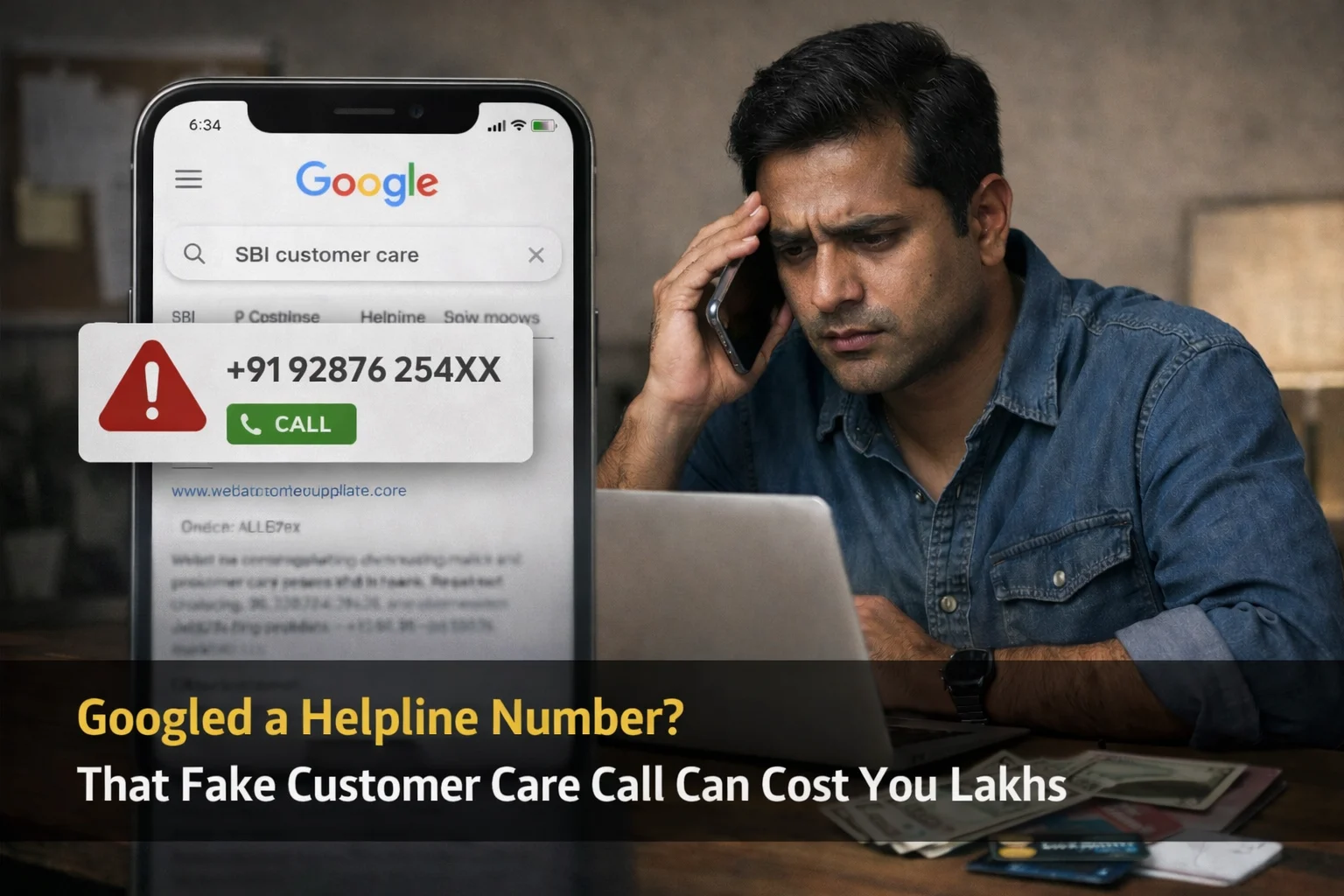
Your UPI payment just failed. Your flight got rescheduled. Your new washing machine stopped working two days after delivery. What do most of us do? We pull out our phone, open Google, and type something like “XYZ customer care number.” A number pops up right at the top. Looks legit. We call it. That one call ends up costing us lakhs.
The fake customer care number scam plays out thousands of times every month across India. And it does not target careless people. It targets frustrated people who trust Google. This guide breaks down exactly how it works, shares real cases, and gives you a clear action plan so you never fall for it.
How Does the Fake Customer Care Number Scam Work?
The scam runs like a well-oiled machine. Here is the typical playbook, step by step.
- Step 1: Plant the number. Scammers create fake helpline numbers for SBI, HDFC, PhonePe, Paytm, Airtel, Uber, and Swiggy. These get pushed through Facebook pages, blog posts, Google Ads, and increasingly through Google AI Overviews.
- Step 2: You Google and call. You search “PhonePe customer care number.” The fake number appears at the top, sometimes sitting right above the real one. You tap and call without thinking twice.
- Step 3: A trained agent answers. They know the company’s terminology, product lineup, and refund procedures. They sound more helpful than most real agents. Then the trap begins.
- Step 4: Your money vanishes. Once they have screen access or your credentials, funds are siphoned through UPI, wallets, or card transactions within minutes. The money bounces through multiple mule accounts and becomes nearly impossible to recover.
What Tricks Do Fake Agents Use?
- Ask you to download AnyDesk, TeamViewer, or Rust Desk for “remote help”
- Send a UPI collect request disguised as a “refund verification step”
- Request your OTP, card number, or CVV for “account verification”
- Ask you to make a small “test transaction” to confirm your account is active
The Numbers Behind the Scam: What CloudSEK Found
Bengaluru-based cybersecurity firm CloudSEK ran a deep investigation using their XVigil platform. The findings are genuinely alarming.
| Finding | Data |
|---|---|
| Total fake numbers detected | 31,179 |
| Indian numbers (% of total) | 56% (17,285 numbers) |
| Still active when discovered | 80% of Indian numbers |
| Primary distribution channel | Facebook (88%) |
| Most impersonated sector | Banking and Finance (59.4%) |
| Top scam hub state | West Bengal (23%) |
| Biggest single victim loss | Rs 16 lakh |
Why Is 2025 and 2026 Especially Dangerous?
Scammers have cracked a new channel: Google AI Overviews. These AI-generated summaries at the top of search results sometimes pull phone numbers from scammer-controlled websites without verifying whether the number is legitimate. That is a massive vulnerability, and fraudsters are exploiting it aggressively right now.
Real Cases: How Ordinary People Lost Lakhs Over One Call
Case 1: Rs 100 Uber Overcharge Turned Into a Rs 5 Lakh Nightmare
Delhi resident Pradeep Chowdhary was charged Rs 318 for a ride that should have cost Rs 205. He Googled “Uber customer care number,” called the top result, and was asked to download the Rust Desk app. Within minutes, Rs 83,760 was transferred out. Four more transactions followed. Total loss: over Rs 5 lakh. Delhi Police filed an FIR under Section 420 IPC and Section 66D of the IT Act.
Think about that for a second. The man was trying to recover Rs 100 and ended up losing Rs 5 lakh.
Case 2: Defective Flour Machine Led to Rs 1.29 Lakh Gone
A Panchsheel Park resident searched for a manufacturer’s helpline after his flour machine stopped working. Scammers extracted his bank details and Rs 1,29,000 disappeared from his account. Delhi Cyber Cell traced the funds to Patna and made three arrests, with links uncovered to the Jamtara cybercrime network.
Case 3: The Swiggy Scam That Should Never Have Been Possible
A user searched for “Swiggy customer care number” after a missing Instamart order. The number that appeared, reportedly through Google AI Overviews, was fake. The scammer asked the victim to share their screen and approve a UPI collect request.
Here is the thing: Swiggy Instamart has no phone-based customer support at all. They only offer in-app chat. So if you are calling a Swiggy phone number, it is automatically a scam. Full stop.
The Indian Cyber Crime Coordination Centre (I4C) removed 4,200 fake customer care pages from Google in Q2 2026 alone. That is just what they caught.
Why Smart People Still Fall for the Fake Customer Care Number Scam
- We over-trust Google. If a number appears near the top of search results, most people assume it is real. That assumption is the single biggest vulnerability scammers exploit.
- The callers are trained professionals. They know company terminology, refund timelines, and complaint procedures. They often sound more helpful than real customer care agents, which is both ironic and terrifying.
- They manufacture urgency. You will hear things like “your account will be suspended in 10 minutes” or “this refund link expires today.” Panic shuts down critical thinking.
- Screen sharing is brutal. The moment you install AnyDesk or TeamViewer, the scammer can see your entire phone screen in real time. Every OTP that pops up, every banking app you open, everything becomes visible to them.
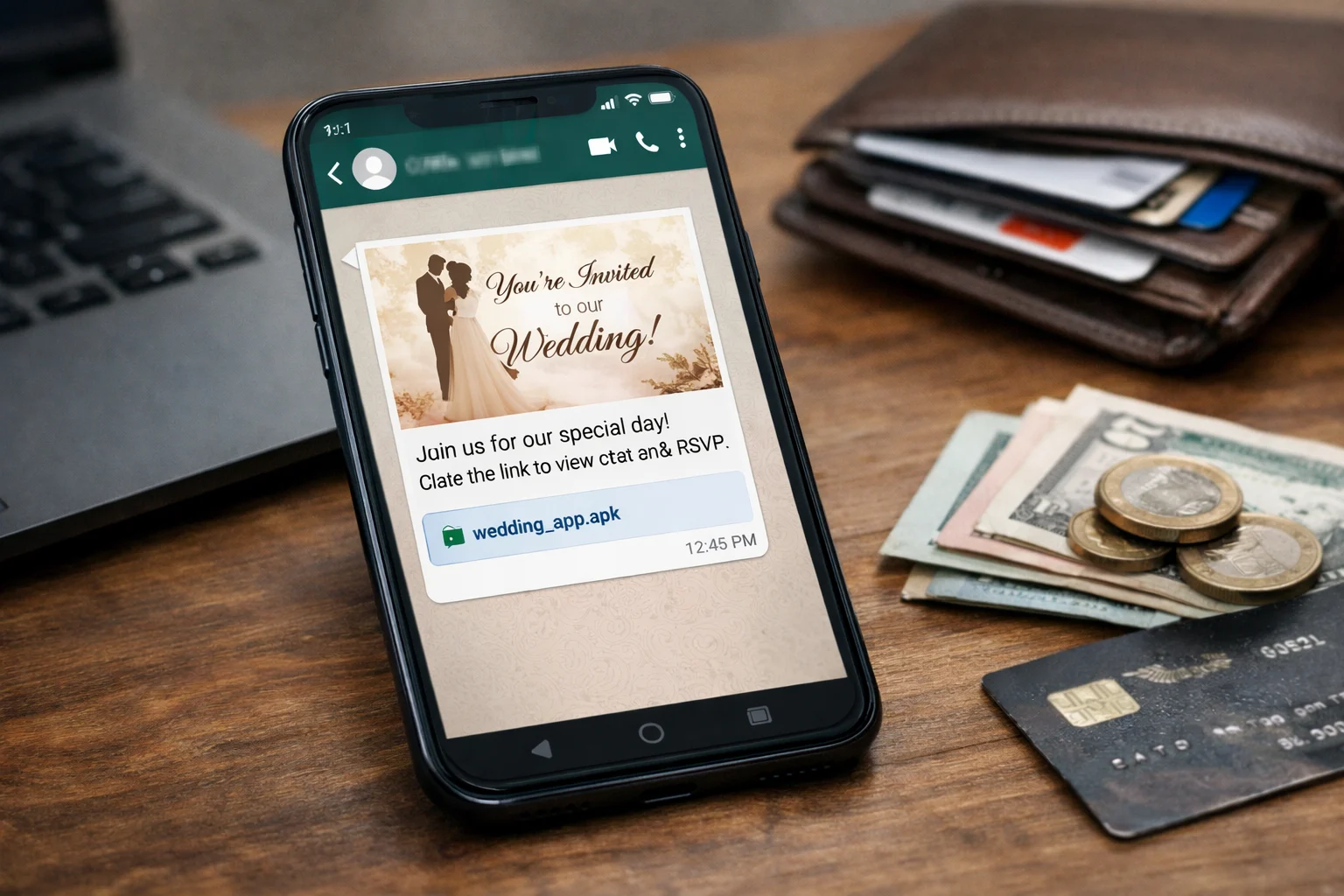
Check: WhatsApp Wedding Invite Scam: One Tap Can Empty Your Bank
How to Spot a Fake Customer Care Number Before You Call
Before you call any helpline number, go through this checklist.
- Go to the official website or app directly. Type the company URL yourself. Do not use a number from search results, Facebook posts, or blog articles.
- Check if the company even offers phone support. Swiggy, Zomato, and many fintech apps only offer in-app chat. A phone number for these companies is automatically suspicious.
- If they ask you to download any app, hang up immediately. No legitimate customer support team will ever ask you to install AnyDesk, TeamViewer, Quick Support, or Rust Desk.
- No real agent will ask for your OTP, UPI PIN, CVV, or card number. If someone claiming to be from customer care asks for these, it is a scam. Period.
- Run suspicious messages through a verification tool before acting on any helpline number sent via WhatsApp or SMS.
- Never trust a number from Google AI Overviews. Documented cases show fake numbers appearing for Swiggy, Royal Caribbean, and British Airways. Always verify on the company’s official website.
Already Got Scammed? Here Is Your Exact Action Plan
The Golden Hour: First 60 Minutes
- Call 1930 immediately. This is the national cyber fraud helpline run by the Ministry of Home Affairs. It is toll-free, available 24/7, and operators can freeze suspicious transactions in real time. The faster you call, the better your chances.
- Block your bank account and cards through your bank’s official app or by calling your branch directly.
- Do not delete anything. Keep all call logs, SMS messages, WhatsApp chats, and transaction notifications. These are your evidence.
Within 24 Hours
- File a detailed complaint on cybercrime.gov.in with screenshots, transaction IDs, and any recordings.
- Visit your nearest police station and file an FIR. Under the Bharatiya Nyaya Sanhita (BNS), cyber fraud is a cognizable offense, which means police are legally required to register it.
- Send a written complaint to your bank about the unauthorized transaction. Under the RBI’s zero-liability policy, reporting within 3 working days may qualify you for a complete refund.
If the scammer sent you any link during the call, do not click it. Paste it into a URL checker tool first. This can prevent further damage.
How Big Is This Problem in 2026?
- Online scams caused losses of roughly Rs 7,000 crore ($789 million) in just the first five months of 2025, according to the Ministry of Home Affairs.
- India’s National Cyber Crime Reporting Portal logged 22.68 lakh incident reports in 2024. That is nearly five times the 2021 figure.
- The RBI’s 2024 to 2025 Annual Report flagged a 34% year-on-year jump in digital payment fraud cases.
- Cybersecurity firm Aurascape found that scammers are now injecting fake numbers into Google AI Overviews and Perplexity, not just traditional search results.
Who Runs These Fake Customer Care Operations?
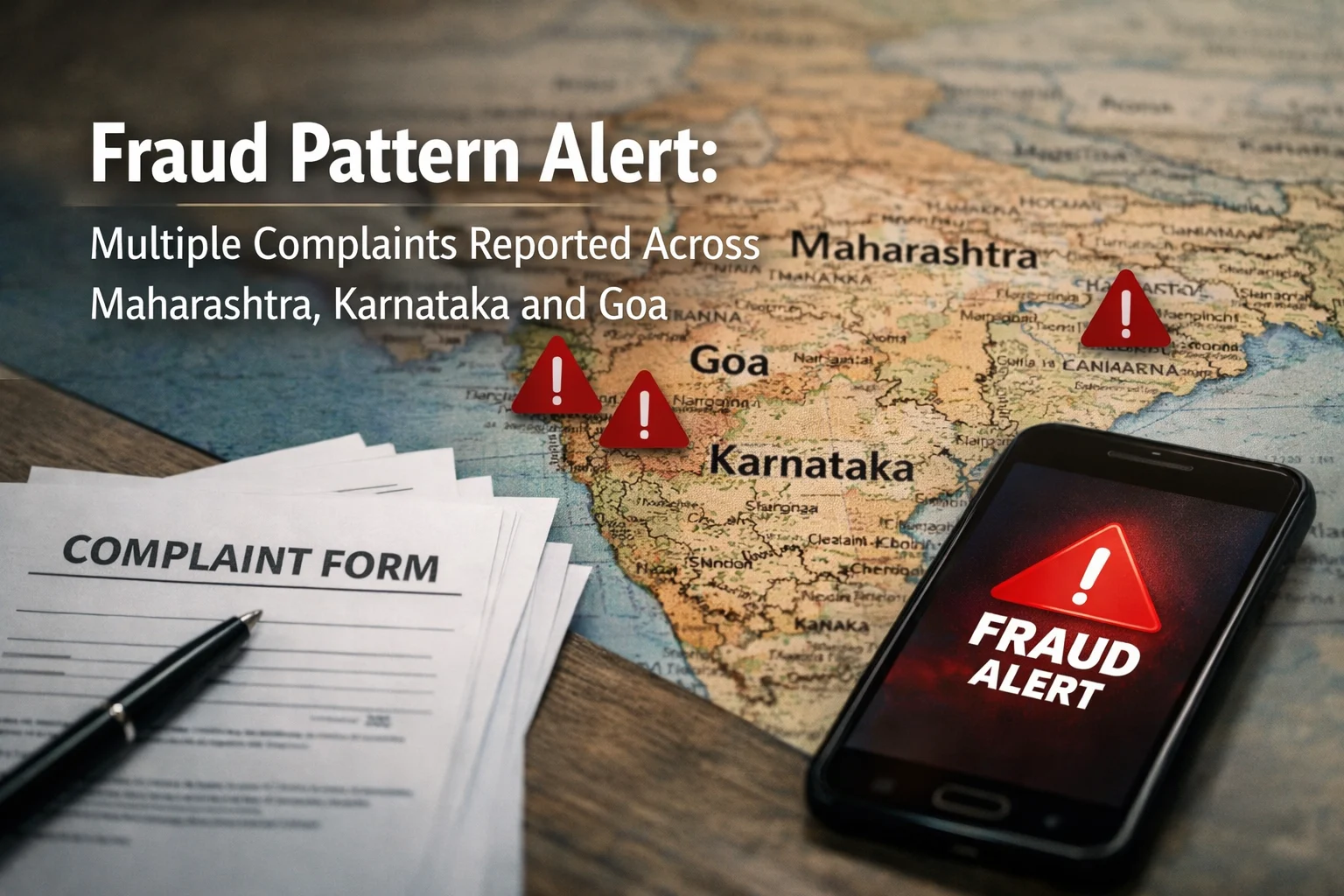
These are not lone wolves working from a bedroom. Investigations by Delhi Cyber Cell and state police units have exposed organized fraud rings operating from specific hubs:
- Jamtara, Jharkhand has earned the nickname “India’s phishing capital” and even inspired a Netflix series.
- Patna and Bihar districts are known for mule bank accounts that are bought and sold openly.
- West Bengal accounts for 23% of all fake customer care numbers registered, according to CloudSEK data.
- Delhi and Uttar Pradesh each account for 9.3% and serve as both operational and money laundering hubs.
These operations are structured like small businesses. One team creates and distributes fake listings online. Another handles calls using rehearsed scripts. A third manages money movement through chains of mule accounts.
The Google AI Overviews Problem Nobody Talks About Enough
When Google rolled out AI Overviews in 2024, the idea was simple: put an AI-generated summary at the top of search results so users get quick answers. Great concept. Terrible execution when it comes to phone numbers.
Here is what happens. Scammers create cheap websites filled with content that mentions well-known brands alongside fake phone numbers. Google’s AI scrapes these pages, treats the number as a valid answer, and displays it prominently at the very top of search results. The user sees a clean, Google-branded box with a phone number in it and naturally assumes it is reliable.
Android Authority, Digital Trends, and the Washington Post all documented multiple cases of this happening. One widely reported incident involved Alex Rivlin, a real estate developer who searched for Royal Caribbean’s customer service number. The number shown in Google’s AI Overview was fraudulent. He shared his credit card information with the scammer before realising the mistake.
Google has said they are aware of the problem and working on fixes. Until those fixes are fully in place, the rule is simple: never trust a phone number from any search engine result or AI summary. Open the company’s official website or app and find the number there yourself.
Final Thoughts
This scam is not going away anytime soon. As long as millions of people rely on Google to find phone numbers instead of going directly to official company websites and apps, scammers will keep exploiting that habit. The technology changes, the delivery channels evolve, but the core trick stays the same: plant a fake number where people are searching for help and wait for the calls to come in.
The single most powerful thing you can do right now is share this information. Forward this article to your parents, your grandparents, your friends who are not very tech-savvy. Teach them one rule and make sure it sticks: never search for a customer care number on Google. Go to the company’s official website or app. Every single time.
And if something feels wrong during a call, if they ask you to download software, share your OTP, or approve a payment request, just hang up. No real company will ever ask for those things. Trust that instinct.
FAQ: Fake Customer Care Number Scam in India
They flood the internet with low-quality websites, blog posts, and social media pages that mention popular brand names alongside fake phone numbers. Google’s search algorithm and AI Overview feature sometimes pick these up and present them as legitimate. Scammers also run paid Google Ads and Facebook Ads pointing to fake helpline pages, which gives them even more visibility.
Yes, and it has happened multiple times. Documented cases from 2025 and 2026 show Google AI Overviews displaying fake numbers for companies like Swiggy, Royal Caribbean, Southwest Airlines, and British Airways. Aurascape published detailed research explaining how scammers manipulate AI-generated results to surface fraudulent contact details.
Call 1930 immediately. Block your bank account through your bank’s official app. File a complaint on cybercrime.gov.in. Change your UPI PIN and all banking passwords from a completely different device. If you report within 3 working days, you may be covered under the RBI zero-liability policy for unauthorized transactions.
CloudSEK’s data shows banking and finance companies are the top targets at 59.4%, followed by healthcare at 19.2% and telecom at 10.5%. In terms of specific brands, SBI, HDFC, PhonePe, Paytm, Airtel, Uber, and Swiggy are among the most frequently impersonated names in India.
Yes. The 1930 helpline, operated under the Ministry of Home Affairs, is toll-free and runs 24 hours a day, 7 days a week. It is connected to major banks and payment platforms, which allows operators to initiate transaction freezes in real time. The faster you call after a fraud, the higher the chances of recovering your money.
Disclaimer: This blog is published for informational and educational purposes only. Nothing here should be treated as legal, financial, or professional advice. If you have been a victim of cyber fraud, please reach out to law enforcement and a qualified legal professional for guidance specific to your situation. Always report cyber crimes immediately through the official channels mentioned above.