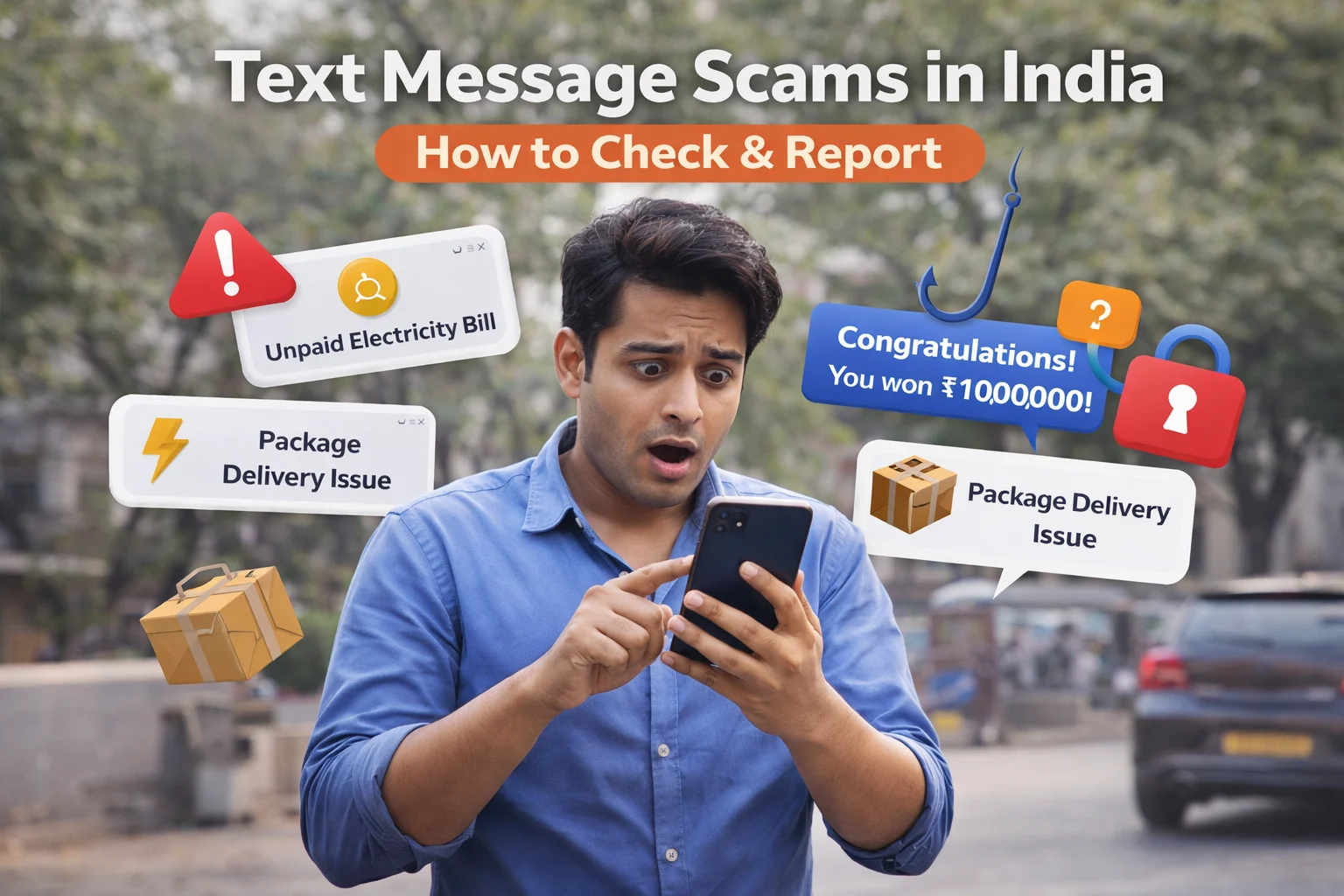
Text message scams are becoming one of the fastest-growing cyber frauds in India. Every day, thousands of people receive suspicious SMS messages claiming to be from banks, courier companies, electricity departments, government agencies, or job providers.
These scam messages often contain fake links, urgent warnings, or attractive offers designed to trick users into clicking malicious links or sharing sensitive information.
With the rapid growth of smartphones and digital payments in India, cybercriminals are increasingly using SMS scams (also known as smishing attacks) to target unsuspecting users.
According to cybercrime reports, thousands of SMS-related fraud complaints are registered every month in India. These scams can lead to financial loss, identity theft, bank account hacking, and personal data theft.
In this guide, you will learn:
- What a text message scam is
- Why SMS scams are increasing in India
- 20 common SMS scams circulating today
- Real scam text message examples
- How to identify a fake SMS
- How to report SMS scams in India
Understanding these scams can help you protect yourself and others from becoming victims of cyber fraud.
What Is a Text Message Scam?
A text message scam (also called an SMS scam or smishing attack) is a type of cyber fraud where scammers send fake messages pretending to be from trusted organizations.
These messages may appear to come from:
- Banks
- Delivery companies
- Government departments
- Telecom providers
- Job agencies
The goal of these messages is simple — to trick users into clicking a malicious link, calling a fake number, or sharing sensitive information.
Once victims interact with the message, scammers may steal:
- Bank account details
- Credit or debit card information
- OTP codes
- Login credentials
- Personal identity data
In many cases, victims only realize the fraud after money has already been stolen from their accounts.
Why SMS Scams Are Increasing in India
SMS scams are growing rapidly because they are easy to execute and difficult for many users to identify.
Here are some major reasons why these scams are increasing.
1. Huge Number of Smartphone Users
India has over 700-800 million smartphone users, making SMS a massive communication channel.
Cybercriminals target this large user base to reach thousands of potential victims quickly.
2. People Trust SMS Messages
Most legitimate notifications from banks, OTP services, and delivery companies are sent through SMS.
Because people are used to receiving important messages via SMS, they tend to trust them easily.
Scammers exploit this trust.
3. Urgency Tactics
Fraudsters create panic situations in their messages.
For example:
- Electricity will be disconnected
- Bank account will be blocked
- SIM card will be deactivated
This pressure forces users to react quickly without verifying the message.
4. Fake Shortened URLs
Many scam messages contain shortened links that hide the real website address.
Once clicked, these links may lead to:
- Fake banking pages
- Malware downloads
- Phishing websites
5. Easy Bulk Messaging
Scammers can send thousands of SMS messages using bulk messaging tools, making SMS scams highly scalable.
SMS Scam Statistics in India
The cases of cyber fraud are increasing rapidly in the country.
Some reports have shown that:
- Every year, millions of cybercrime cases are reported in India.
- One of the common types of SMS phishing is Smishing.
- The number of cases may increase as people are not reporting the cases of scams and frauds.
Due to the increasing use of digital transactions such as UPI, cyber fraudsters are developing more and more types of SMS scams.ques.
20 Common Text Message Scams in India
Below are some of the most common SMS scams currently circulating in India.
1. Electricity Bill Disconnection Scam
Victims receive messages claiming their electricity connection will be disconnected due to unpaid bills.
Example message:
“Dear customer, your electricity will be disconnected tonight due to pending bill. Contact support immediately.”
Scammers then ask victims to download apps or pay through fake UPI accounts.
2. Bank KYC Update Scam
Fraudsters send SMS messages pretending to be from banks asking users to update their KYC details.
Example:
“Your bank account will be blocked if KYC is not updated today. Click the link below.”
The link usually leads to a fake banking website.
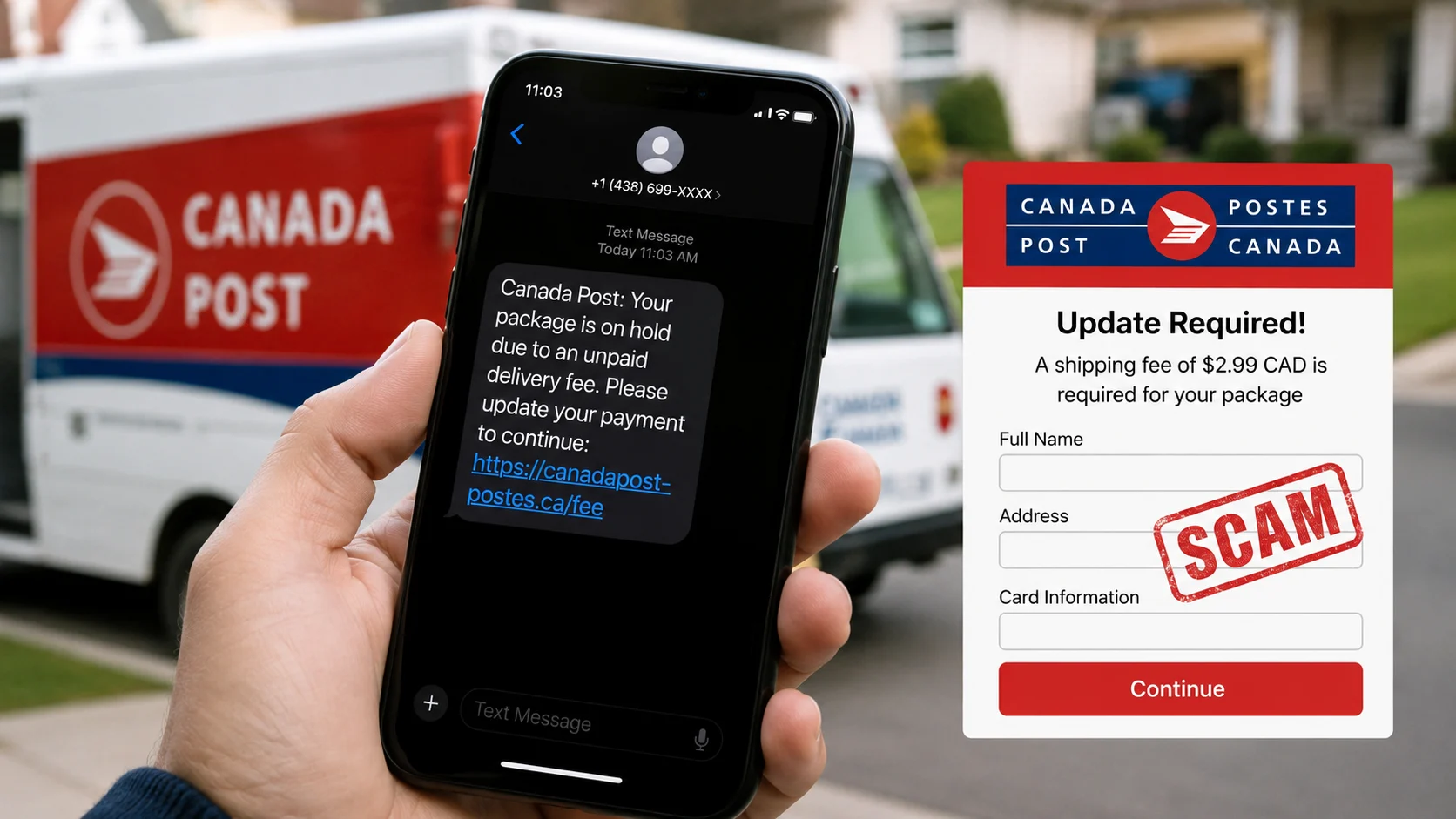
3. Courier Delivery Scam
Victims receive SMS messages saying their parcel delivery is pending.
Example:
“Your parcel is waiting for address confirmation. Click here to reschedule delivery.”
The link may steal personal information or install malware.
4. Lottery Winning Scam
These messages claim the user has won a lottery prize.
Example:
“Congratulations! You have won ₹25 lakh in our lucky draw.”
Victims are asked to pay processing fees or taxes.
5. Job Offer SMS Scam
Fraudsters send fake job offers promising high income.
Example:
“Work from home and earn ₹5000 daily. Limited vacancies available.”
After responding, victims may be asked to pay registration fees.
6. OTP Verification Scam
Scammers send fake OTP messages and then call victims pretending to be bank officials.
They try to trick victims into sharing OTP codes.
7. Loan Approval Scam
These messages offer instant personal loans without verification.
Example:
“Get personal loan up to ₹5 lakh instantly. Apply now.”
After applying, scammers demand upfront fees.
8. Fake UPI Payment Alert
Victims receive messages claiming they have received money.
Example:
“You received ₹10,000 in your UPI account. Click here to claim.”
The link leads to phishing websites.
9. SIM Card Block Scam
Users receive messages claiming their SIM will be blocked.
Example:
“Your SIM will be deactivated within 24 hours. Contact support immediately.”
Victims are tricked into sharing OTPs.
10. Income Tax Refund Scam
Fraudsters pretend to be from the income tax department.
Example:
“You are eligible for an income tax refund of ₹15,000.”
The link leads to fake government websites.
11. Insurance Policy Bonus Scam
Victims receive SMS messages claiming they have an insurance bonus pending.
12. Google Account Security Alert Scam
Messages warn users that their Google account has been compromised.
13. ATM Card Block Scam
Users receive messages claiming their ATM card will be blocked unless verified.
14. WhatsApp Verification Scam
Victims receive SMS asking them to verify their WhatsApp account.
15. Investment Opportunity Scam
These scams promote fake stock market or crypto investment opportunities.
16. Scholarship Scam
Students receive fake scholarship approval messages.
17. Government Scheme Scam
Fraudsters send SMS claiming eligibility for government schemes.
18. Fake Recharge Offer Scam
These messages promise free mobile recharge.
19. Delivery Address Verification Scam
Victims receive messages asking to confirm delivery addresses.
20. Account Suspension Scam
Messages claim the user’s account will be suspended unless verified immediately.
Real SMS Scam Message Examples
Here are some examples of scam text messages commonly used by fraudsters.
Example 1
“Dear user, your bank account will be blocked today. Update KYC immediately.”
Example 2
“Your electricity service will be disconnected tonight. Call customer support.”
Example 3
“Congratulations! You have won ₹10 lakh in our lucky draw.”
Example 4
“Your parcel delivery failed. Click here to reschedule delivery.”
If you receive messages like these, always verify them before taking action.
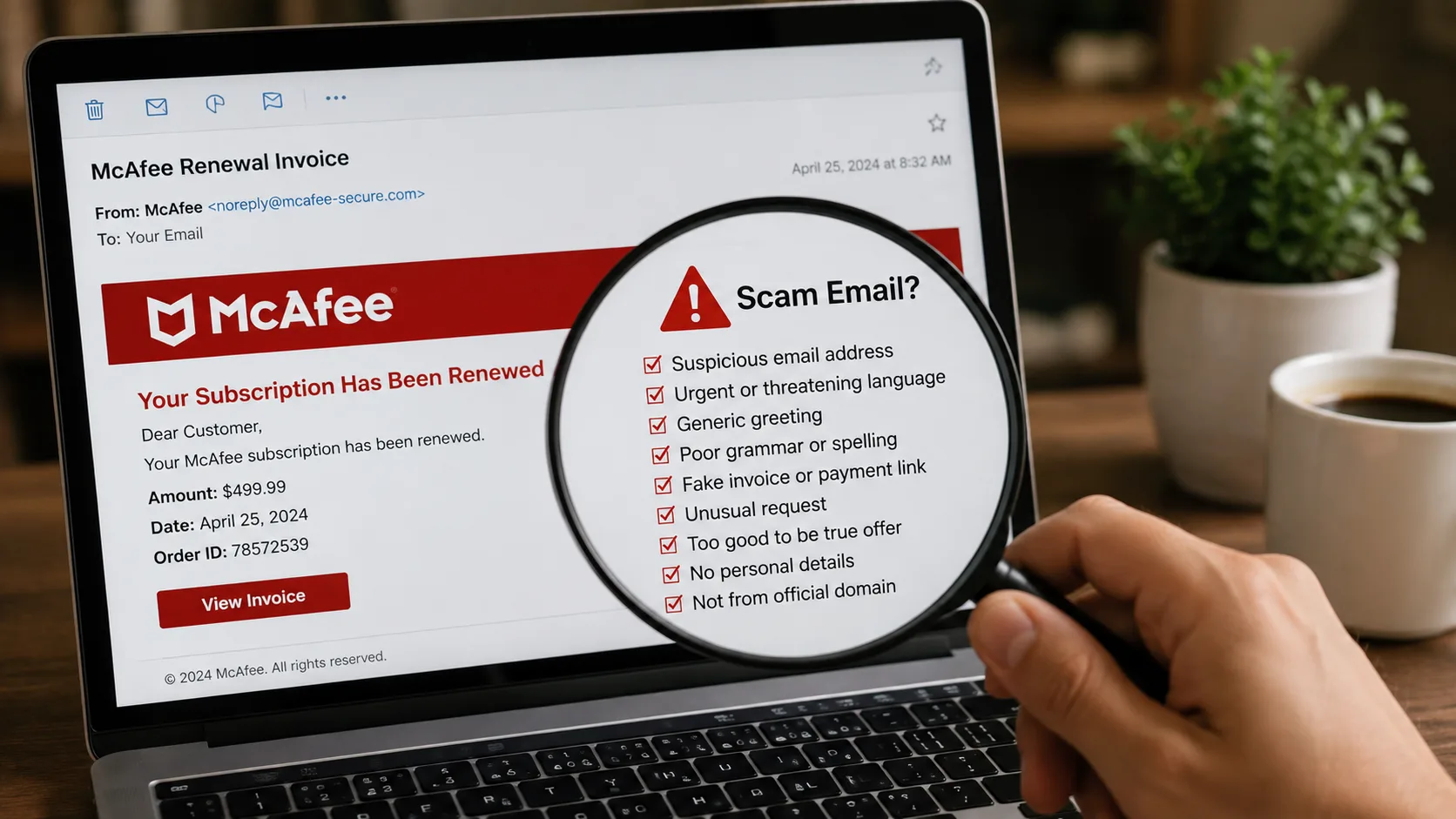
How to Identify a Scam Text Message
You can often identify scam SMS messages by looking for these warning signs.
Suspicious Links
Scam messages often contain strange or shortened URLs.
Urgent Threats
Many scam messages create panic by threatening account suspension.
Unknown Numbers
Many scam messages are sent from random or unverified numbers.
Spelling or Grammar Errors
Poor language or spelling mistakes are common in scam messages.
Requests for Sensitive Information
Banks and government departments never ask for passwords or OTP through SMS links.
What To Do If You Receive a Scam SMS
If you receive a suspicious message, follow these steps.
Do not click any links.
Never open links from unknown SMS messages.
Do not call unknown numbers.
Scammers may try to manipulate you during calls.
Block the sender.
Most smartphones allow you to block spam messages.
Report the message.
Reporting helps authorities track scam activities.
How to Report Scam Text Messages in India
If you receive a scam SMS, you can report it through the following methods.
Report to Cybercrime Portal
You can file a complaint on the official cybercrime reporting portal.
Forward Spam SMS to 1909
You can forward suspicious SMS messages to 1909 to report spam.
Contact Your Bank
If the scam involves bank accounts or UPI payments, contact your bank immediately.
Easily Check Any Suspicious SMS with ScamDekho
Paste the message, link, or screenshot into ScamDekho.in. India’s free scam checker. It analyzes for fraud signs, phishing URLs, urgency tactics, and common Indian scam patterns.
Use it to:
- Verify suspicious texts instantly
- Scan images/screenshots of messages
- Get alerts on new fraud trends
Awareness + tools like ScamDekho = your best defense.
Final Thoughts
Text message scams have risen sharply in India, and scam artists are always looking for ways to deceive people via text messages.
The best way to avoid these scams is to always be careful, verify these messages, and not share any information via SMS links or unknown numbers.
If you ever come across any suspicious message, always take your time to verify it first.
We can minimize the effects of these scams by being aware of them, thus protecting many people from becoming victims.