Blog

  • Fake Offer Letter Check Online Free in India – Step-by-Step Verification Guide (2026)

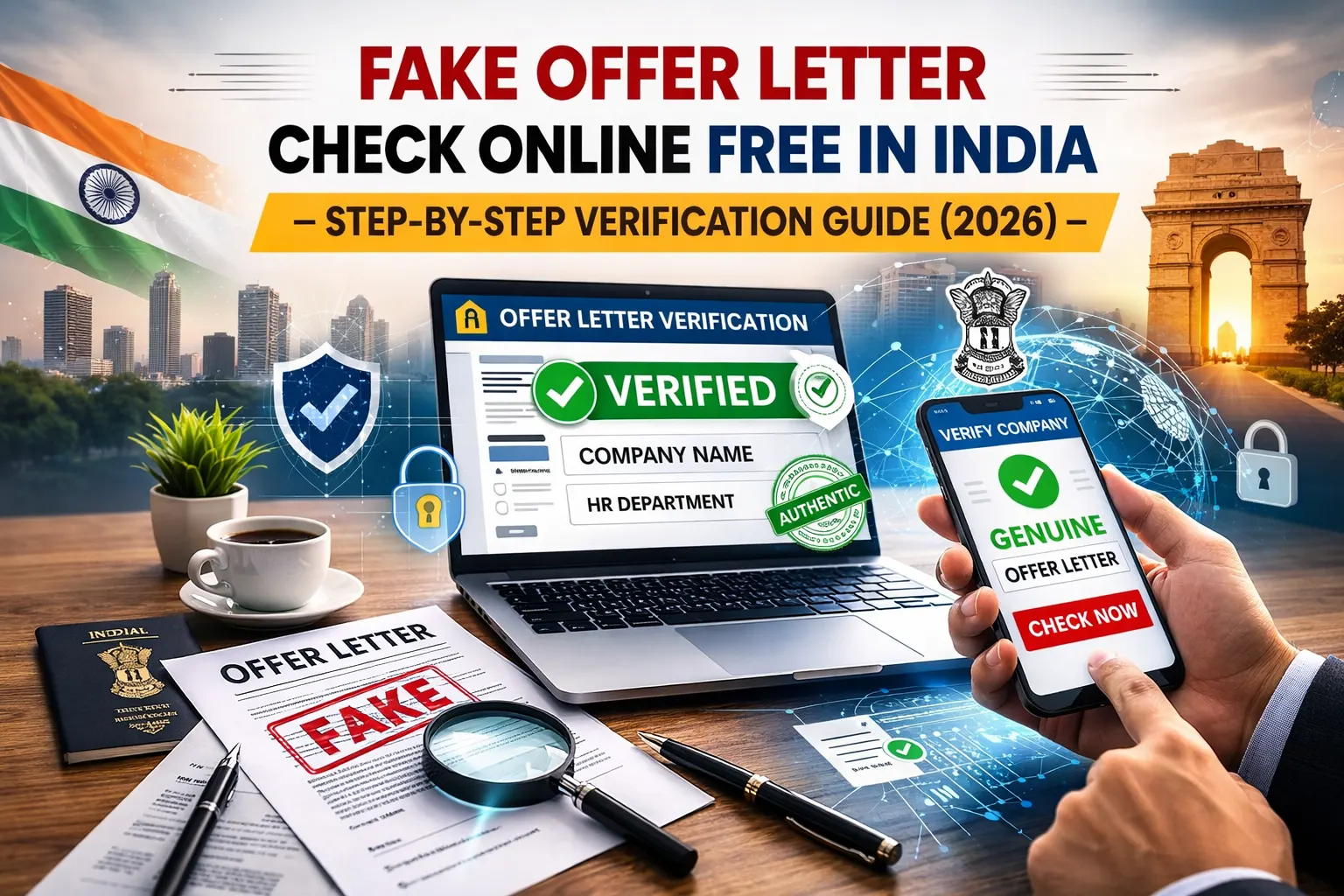
    Fake Offer Letter Check Online Free in India – Step-by-Step Verification Guide (2026)

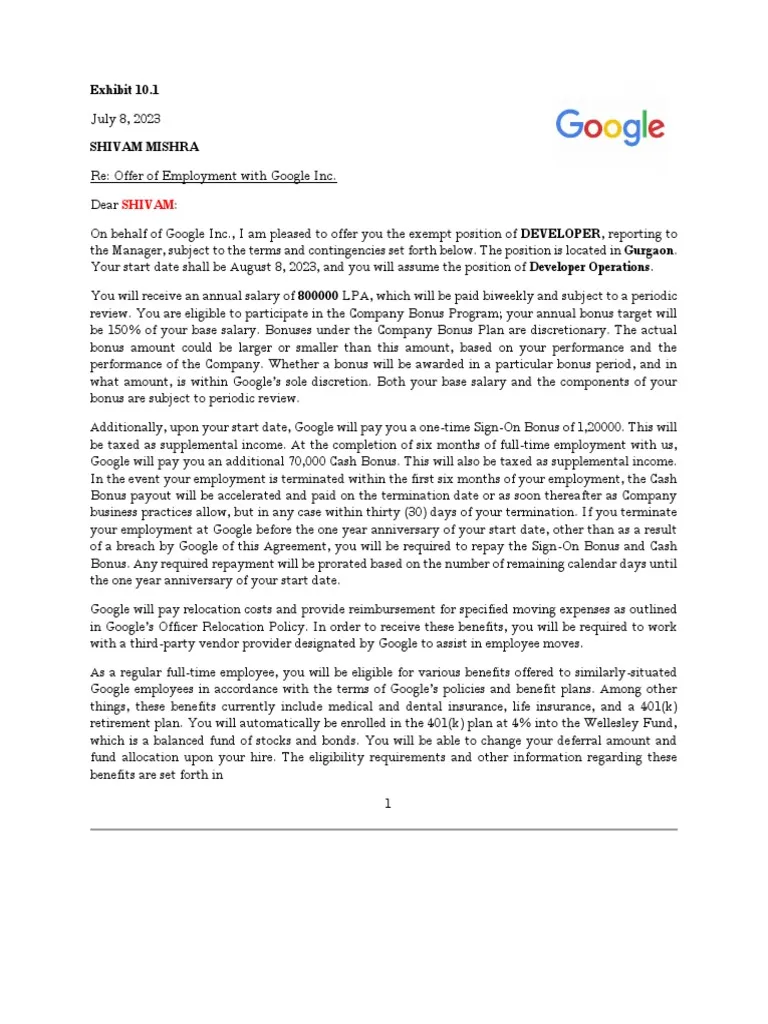
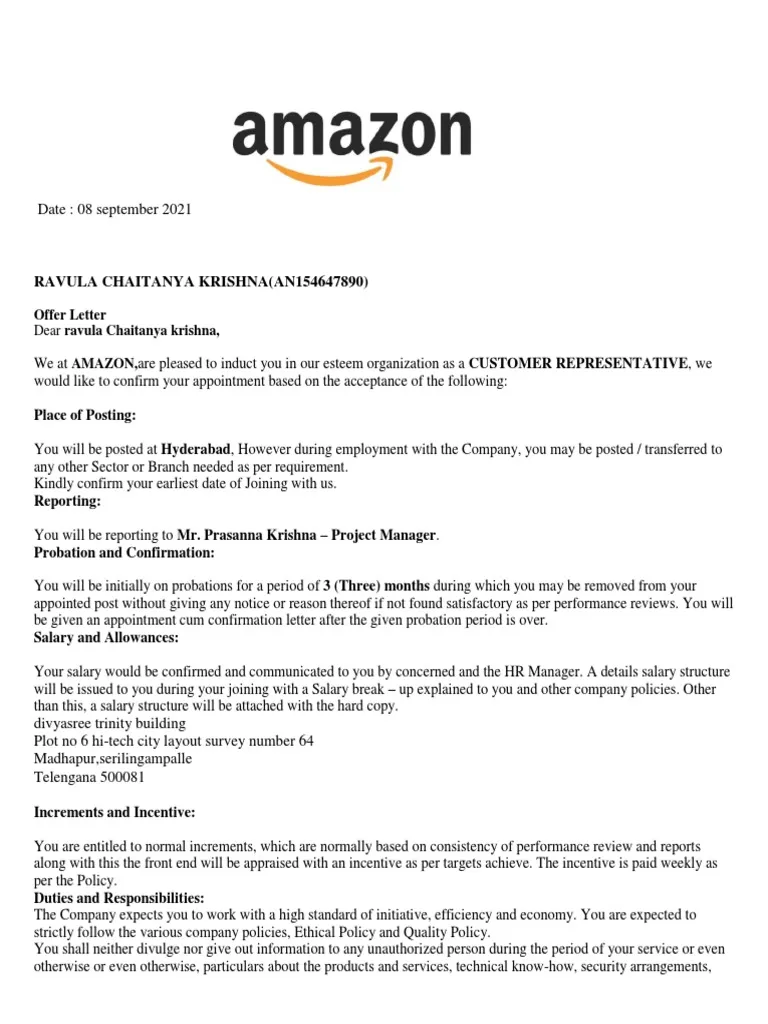
    Getting a job offer feels exciting. But in India, fake job offer letter scams are increasing rapidly. Scammers send professional-looking offer letters through email or WhatsApp and then demand money for “registration”, “training”, “security deposit”, or “visa processing”.

    Many candidates lose thousands of rupees before realizing the offer letter was fake.

    If you are a job seeker who has received a job offer, this article will help you determine whether the job offer letter is genuine or fake – absolutely free of cost.

    Why Fake Offer Letter Scams Are Increasing in India

    Fraudsters target:

    • Fresh graduates
    • Job seekers on LinkedIn or Naukri
    • People searching for work-from-home jobs
    • Candidates applying for government or multinational companies

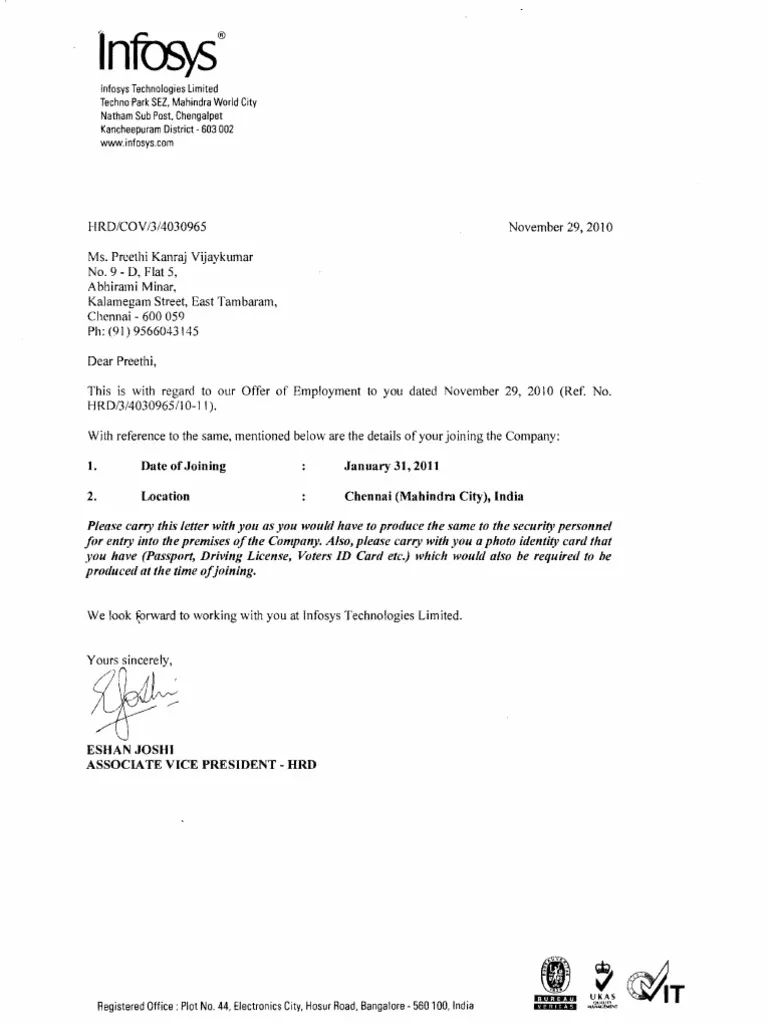
    They use the actual logos of the companies, forge the HR email IDs, and sometimes even attach forged documents.

    The motive is simple: to create urgency and ask for money.

    Before you pay anything, check the offer letter carefully.

    Step 1: Check the Email Domain Carefully

    This is the first and most important step.

    A real company will use a professional email domain.

    Example:

    hr@companyname.com
    company.hr.recruitment@gmail.com

    Red flags:

    • Gmail, Yahoo, Outlook addresses
    • Extra numbers in domain
    • Slight spelling changes (gooogle.com, amaz0ncareers.com)

    If the HR email comes from a free email provider, it is almost always fake.

    Step 2: Verify the Company on MCA Website (Free Method)

    In India, every registered company must be listed on the Ministry of Corporate Affairs (MCA) website.

    Steps:

    1. Visit MCA official portal
    2. Search company name
    3. Check CIN number
    4. Verify registered address
    5. Compare director details

    If the company name in the offer letter does not match MCA records, it is suspicious.

    Many fake offer letters mention companies that are either dissolved or not registered at all.

    Step 3: Cross-Check the Official Website

    Visit the company’s official website manually. Do not click links inside the offer letter email.

    Check:

    • Careers page
    • Contact number
    • Official HR email
    • LinkedIn company page

    If the job opening is not listed on their official website, contact the company directly to confirm.

    You can also use an online verification tool like the ScamDekho scam checker to analyze suspicious domains before responding.

    This helps users identify risky websites and avoid interacting with fraudulent recruiters.

    Step 4: Look for Common Fake Offer Letter Signs

    Here are major warning signals:

    • Asking for money before joining
    • Urgent deadline pressure
    • No proper interview conducted
    • Offer without technical round
    • Poor grammar in document
    • Fake digital signature
    • No official company stamp

    Remember this clearly:

    No genuine company in India asks candidates to pay money for a job.

    If payment is required for “training kit” or “background verification”, it is likely a scam.

    Step 5: Verify HR Profile on LinkedIn

    Search the HR name mentioned in the offer letter.

    Check:

    • Is the HR profile real?
    • Do they have activity history?
    • Is the company connected properly?

    Fake recruiters often create new LinkedIn profiles with very few connections.

    If the profile looks new, incomplete, or suspicious — be cautious.

    Step 6: Check Salary Structure & Format

    Fake offer letters often:

    • Promise unrealistic salary
    • Offer very high package for fresher
    • Provide vague job description
    • Have inconsistent formatting

    Compare with real offer letter samples online.

    Professional companies follow a structured format with:

    • Employee ID
    • Reporting manager details
    • Probation period
    • Official policies

    If these are missing, question it.

    Step 7: How to File Complaint in India

    If you suspect a fake job offer letter scam:

    1. Do not send money
    2. Keep email screenshots
    3. Save call recordings
    4. Visit cybercrime.gov.in
    5. Call 1930 helpline immediately

    Early reporting increases chance of fund recovery.

    Real Case Pattern Seen in India

    In most reported cases:

    • Victims receive job offer from “HR department”
    • Asked to pay ₹2,500 – ₹25,000
    • Payment requested via UPI or wallet
    • After payment, recruiter disappears

    These scams frequently use company names like:

    • Google
    • TCS
    • Infosys
    • Wipro
    • Airport Authority
    • Government departments

    Big brand names are used to build trust quickly.

    Always verify independently.

    Also Read: Top 7 Phone And SMS Scams You Should Never Ignore

    Can You Check Offer Letter Online Free?

    Yes, you can verify most aspects free:

    • MCA company verification
    • Email domain check
    • LinkedIn profile verification
    • Website legitimacy analysis
    • Scam reporting portals

    You do not need to pay anyone to verify an offer letter.

    If someone asks for “verification fee”, that itself is suspicious.

    Frequently Asked Questions

    Is it legal for companies to charge money for job offers in India?

    No. It is illegal and considered fraud.

    How do I know if a company is real?

    Check MCA records, official website, and LinkedIn presence.

    What if I already paid money?

    Immediately call 1930 and file cyber crime complaint online.

    Are government job offer letters also faked?

    Yes. Many fake government recruitment letters circulate during exam season.

    How to check job offer letter is real or fake?

    Simply, Go to scamdekho.in and copy/paste your offer letter or upload an image

  • Fake Scheme Portals Are Defrauding Users-How to Spot Scams on Government Sites

    Fake Scheme Portals Are Defrauding Users-How to Spot Scams on Government Sites

    In India, government schemes are made to help citizens with financial assistance, job opportunities, housing benefits, subsidies, scholarships, and health support. Every year, lakhs of people apply for schemes that actually make a difference in their lives.

    But where there is opportunity, scammers follow.

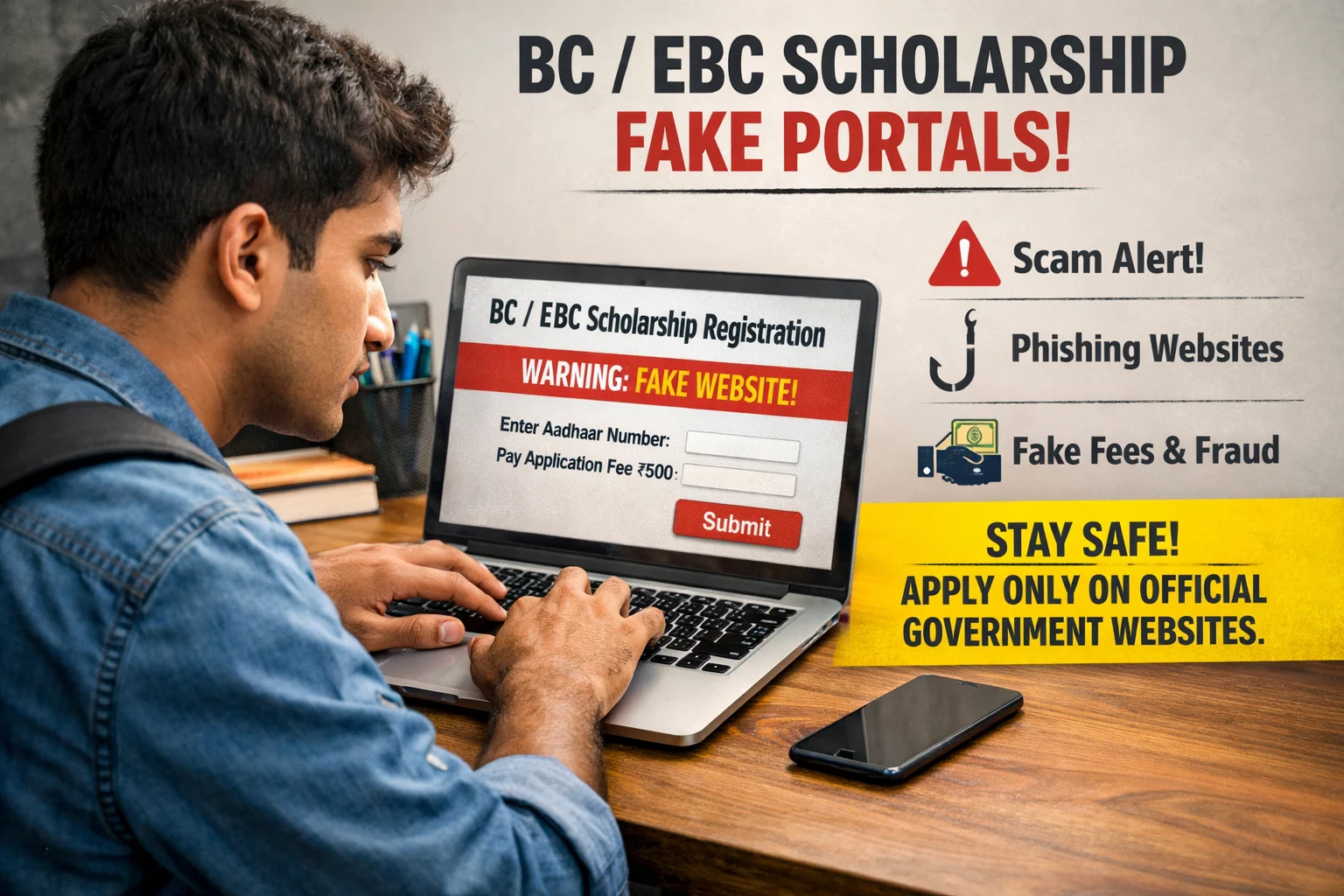
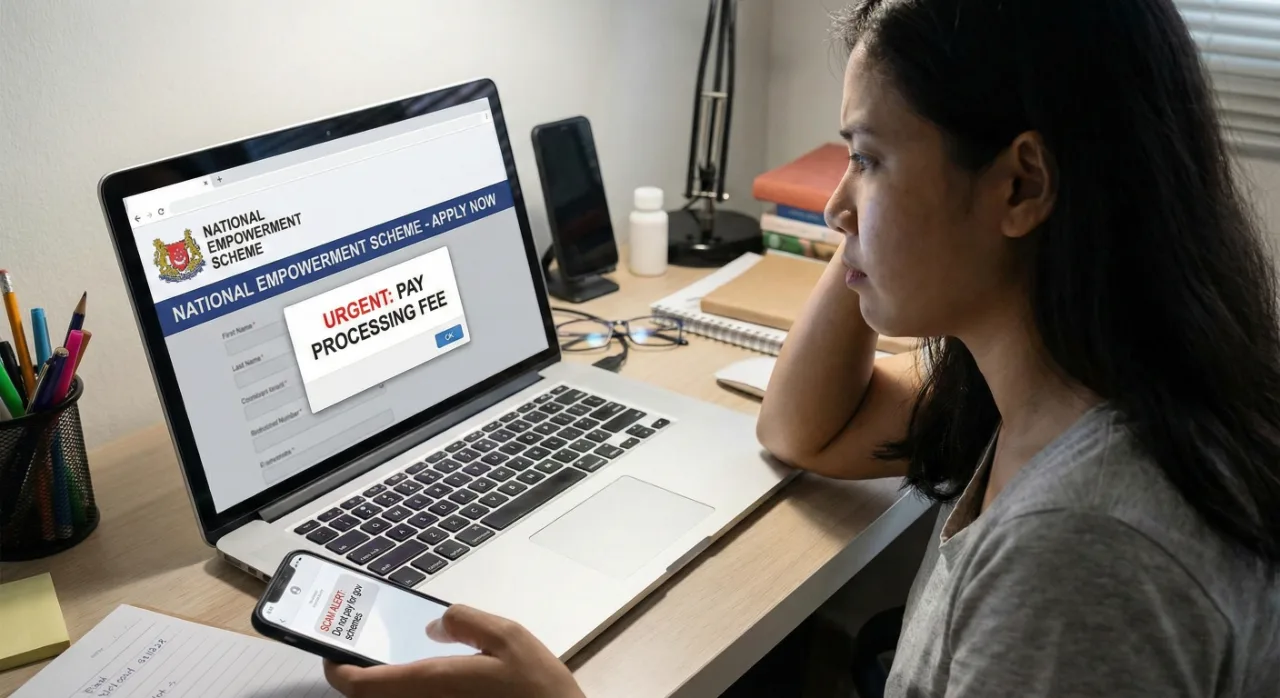
    Fake government scheme websites have now become one of the quickest-growing online scams in India. Scammers make websites that are absolutely identical to the original government scheme websites. They use symbols of the country, logos of the ministries, images of political leaders, and phrases such as “Yojana,” “PM Scheme,” or “Government Approved.”

    Thousands of citizens have already lost money and personal data because they trusted these fake portals.

    This guide will help you learn how fake scheme websites work, how to spot the warning signs, and how to save yourself from becoming a victim.

    What Are Fake Government Scheme Portals?

    Fake scheme portals are fraudulent websites or mobile apps that claim to offer:

    • New government subsidy schemes
    • Cash transfer programs
    • Free laptop or smartphone schemes
    • PM employment schemes
    • Housing benefits
    • Scholarship programs
    • Loan waiver schemes
    • Direct Benefit Transfer (DBT) registration

    These websites copy the design and structure of official portals. They often claim:

    • “Limited time registration”
    • “Last date to apply today”
    • “Government approved scheme”
    • “Register now to receive ₹50,000 benefit”

    Their goal is simple: collect money or steal personal information.

    How Fake Scheme Portals Work

    Understanding their strategy helps you detect fraud early.

    Step 1: Viral Social Media Promotion

    Scammers circulate links through:

    • WhatsApp forwards
    • Telegram groups
    • Facebook posts
    • Instagram reels
    • YouTube videos

    The message usually claims that a new scheme has been launched and encourages immediate registration.

    Step 2: Fake Website That Looks Official

    The website may include:

    • Government logos
    • Photos of the Prime Minister
    • National emblem images
    • “.org” or “.in” domains that look authentic

    But appearance alone does not guarantee legitimacy.

    Step 3: Personal Data Collection

    The site asks for:

    • Aadhaar number
    • PAN card
    • Bank account details
    • Mobile number
    • OTP verification

    Sometimes it also asks for a small “registration fee” ranging from ₹100 to ₹2,000.

    Step 4: Disappearance

    After payment or data submission:

    • The website stops working
    • Customer support becomes unreachable
    • No scheme benefit is ever provided

    In some cases, victims later face identity theft or unauthorized transactions.

    Why People Fall for Fake Scheme Portals

    These are scams that prey on hope and urgency.

    1. Financial pressure makes quick benefits attractive.
    2. People in rural and semi-urban areas do not check government sources.
    3. The inclusion of national symbols adds credibility.
    4. A lack of digital literacy makes one more vulnerable.

    Scammers know that when a message is labeled “Government Scheme,” many people will believe it without questioning.

    Real Government Portals vs Fake Websites

    To protect yourself, you must know how to distinguish genuine government websites from fake ones.

    1. Check the Domain Carefully

    Official Indian government websites usually end with:

    • .gov.in
    • .nic.in

    For example, authentic portals are hosted by the National Informatics Centre under government control.

    If the website ends with:

    • .com
    • .org
    • .in (without gov structure)

    be cautious.

    However, scammers may sometimes use similar-looking domain names, so always verify further.

    2. Verify Through Official Ministry Sources

    If a scheme is supposedly running under a certain ministry, check the official website of that ministry directly.

    For instance, if a scheme is supposedly running under the Ministry of Rural Development, check the official ministry website independently through a search engine and see if the scheme is listed.

    Do not check through links provided in forwarded emails.

    3. Look for Secure Connection

    Check if the website provides HTTPS encryption. While HTTPS does not necessarily ensure authenticity, the lack of it is a significant warning sign.

    4. Avoid Websites Asking for Registration Fees

    Most government schemes do not charge application fees to citizens. If a website demands immediate payment to “unlocks benefits,” it is likely a scam.

    5. Cross-Check on Official Government Portals

    The Government of India maintains centralized information platforms such as:

    • MyGov
    • Official ministry websites
    • Direct Benefit Transfer (DBT) portal

    If a scheme is genuine, it will be mentioned on official government platforms.

    Common Types of Fake Scheme Scams

    1. Cash Transfer Scams

    Messages claiming the government is giving ₹10,000 or ₹50,000 directly to bank accounts after quick registration.

    2. Free Device Schemes

    Fraudulent sites promising free laptops or smartphones for students after paying a small processing fee.

    3. PM Loan Schemes

    Fake portals claiming instant approval under Prime Minister loan initiatives without proper documentation.

    4. Farmer Subsidy Scams

    Fake agricultural subsidy portals targeting farmers with promises of equipment grants.

    5. Scholarship Fraud

    Fraudsters create fake scholarship registration sites targeting students before exam seasons.

    Warning Signs That a Scheme Portal Is Fake

    Pay attention to these red flags:

    • Poor grammar and spelling errors
    • Countdown timers pressuring you to act quickly
    • Unrealistic financial benefits
    • No official contact details
    • Only WhatsApp support number
    • No verifiable physical office address
    • Excessive advertisements on the page

    Government portals are usually structured, clear, and do not use aggressive marketing tactics.

    What to Do Before Applying to Any Government Scheme

    Before entering any personal details:

    1. Use Google to search the name of the scheme with the word “official.”
    2. Check if the scheme has been covered by major news channels.
    3. Check the official website of the ministry.
    4. Do not click on the link sent through emails.
    5. Check the URL of the suspicious link through a reliable scam-checking website.

    If you are unsure about the link of the scheme or the portal, you can check the website through the ScamDekho scam checker to check for possible risk indicators.

    What to Do If You Already Submitted Details

    If you suspect you have interacted with a fake portal:

    1. Immediately inform your bank if you shared financial details.
    2. Monitor bank transactions regularly.
    3. Change passwords of linked accounts.
    4. Preserve screenshots and transaction records.

    You should report the incident to the National Cyber Crime Reporting Portal. Filing a complaint increases the chances of tracking fraud networks.

    You can also visit your local cyber cell police station with all supporting documents.

    Also Read: Top 7 Phone And SMS Scams You Should Never Ignore

    Legal Consequences for Fake Scheme Portals

    Operating fake government scheme websites can lead to serious legal consequences in India under:

    • Cheating provisions of the Indian Penal Code
    • Identity theft and forgery laws
    • IT Act provisions related to cyber fraud

    Cyber police units regularly shut down fraudulent domains and arrest scam operators. However, new fake portals continue to appear because fraudsters rely on low awareness among citizens.

    Why Awareness Is the Strongest Protection

    Technology has made government services more accessible. But it has also made impersonation easier.

    A website can be designed in hours. A logo can be copied in seconds. A viral message can reach thousands within minutes.

    The difference between safety and loss often depends on one habit: verification.

    Before trusting any government scheme portal:

    • Confirm the domain.
    • Cross-check official sources.
    • Avoid paying fees.
    • Protect personal documents.

    Scammers depend on urgency and emotion. Government schemes do not require panic decisions.

    Final Advice

    Not every website that uses the word “Government” is genuine. Not every scheme link forwarded on WhatsApp is official. And not every registration form leads to financial benefit.

    In the digital era, citizens must combine opportunity with caution.

    Verify before you apply.
    Research before you register.
    Confirm before you pay.

    Awareness is your strongest defense against fake scheme portals defrauding users in India.

  • Fake Job Offer Letter Scam India 2026 — Verify Any Company Free

    Fake Job Offer Letter Scam India 2026 — Verify Any Company Free

    Getting a job offer is exciting. After weeks or months of applying, when an email arrives with the subject line “Congratulations! You Are Selected,” it feels like success is finally here. But what if that offer letter is fake?

    Across India, fake job offer letter scams are rising rapidly. Scammers are targeting fresh graduates, unemployed youth, work-from-home seekers, and even experienced professionals. They use forged appointment letters, fake HR calls, and convincing company branding to trap victims. Many people lose thousands – sometimes lakhs, before realizing the job never existed.

    This guide will help you understand how fake job offer scams work, how to spot red flags, and how to legally verify a company before trusting any offer.

    What Is a Fake Job Offer Letter Scam?

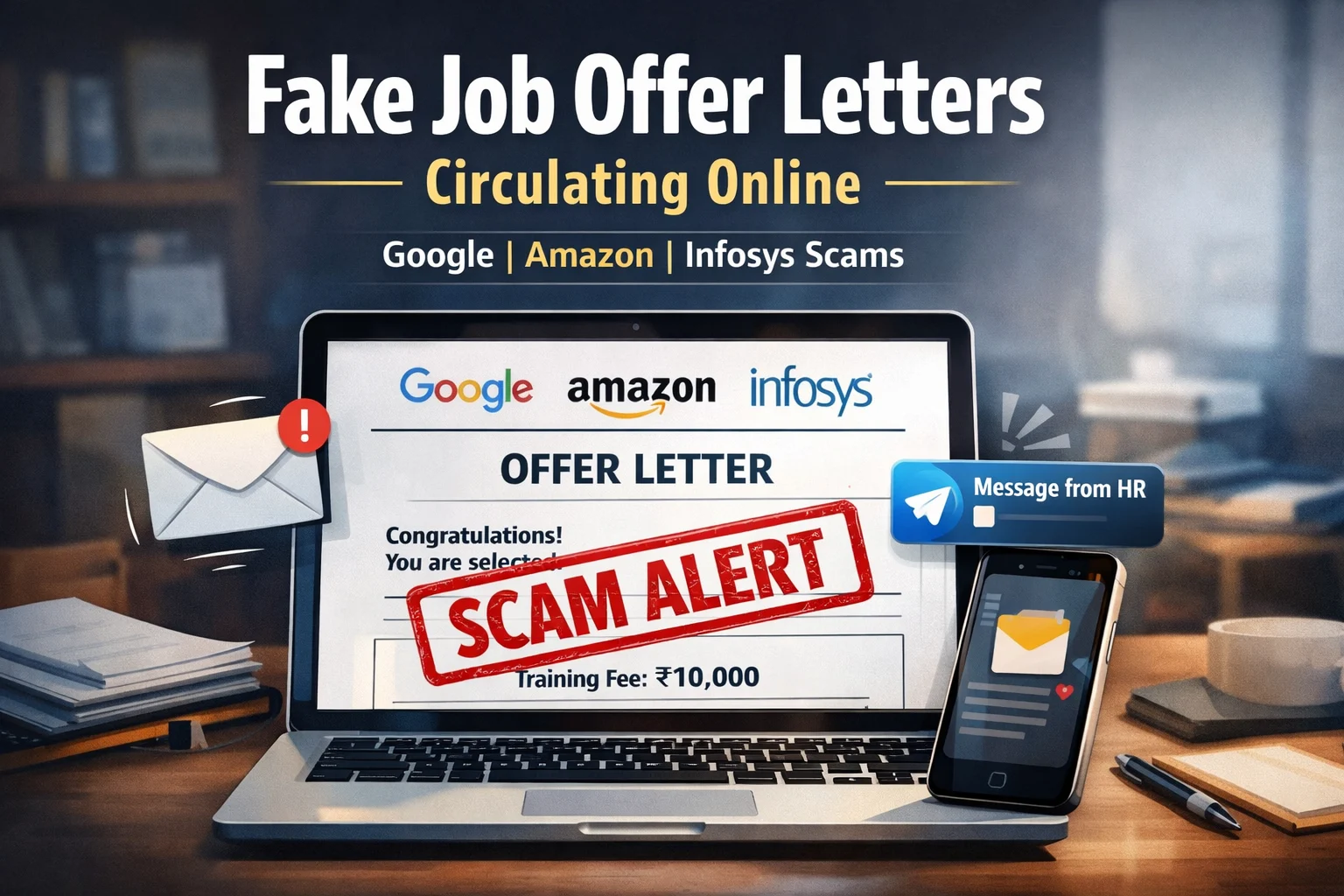
    A fake job offer letter scam is a form of employment fraud where the scammers pose as recruitment agents or human resource personnel of reputable firms. They send out professionally designed job offer letters that contain the following:

    • Company logo
    • HR signatures
    • Employee ID numbers
    • Joining dates
    • Salary breakdown

    The letter appears to be genuine. In some cases, they even hold mock interviews through phone or video conferencing to make the process seem more real.

    The goal of the scam is usually one of the following:

    1. To extract money in the name of processing fees, training fees, security deposits, or equipment fees.
    2. To steal personal information such as Aadhaar, PAN, passport, or bank details.
    3. To use the victims’ identity for committing fraud.

    No genuine company in India will ask for money to offer employment.

    Why Fake Job Scams Are Increasing in India

    India has a significant number of young unemployed individuals looking for jobs. With the increasing use of online job platforms, LinkedIn networking, Telegram groups, and recruitment messages on WhatsApp, fraudsters have new avenues to target victims.

    Fraudsters use the names of well-known companies to build trust. In 2025, a recruitment scam using the name of Nestle India spread on social media platforms. The company had to release a public statement saying that they do not charge recruitment fees and that the recruitment notice was a scam.

    How Fake Job Offer Scams Work

    Understanding the process helps you detect fraud early.

    Step 1: Unsolicited Contact

    You may receive:

    • A WhatsApp message about your resume being shortlisted
    • A LinkedIn message from an HR person
    • An email from a Gmail or Yahoo account
    • A Telegram message about urgent hiring

    Often, you may not even remember applying to that company.

    Step 2: Easy or No Interview

    In many cases:

    • There is no interview at all
    • The interview lasts only 5-10 minutes
    • Technical questions are minimal
    • Selection is done immediately

    Real companies usually conduct multiple interview rounds, background checks, and proper HR discussions.

    Step 3: Offer Letter Sent Quickly

    Within 24–48 hours, you receive a PDF offer letter. It looks official and includes detailed salary information.

    The formatting may appear professional, but subtle mistakes are often present.

    Step 4: Payment Demand

    This is where the scam becomes clear. They may ask for:

    • Training fees
    • Background verification charges
    • Laptop or equipment security deposit
    • ID card or uniform charges
    • Visa processing fees for overseas jobs

    The amount can range from a few thousand rupees to several lakhs.

    After payment, communication stops.

    Read: Top 7 Phone And SMS Scams You Should Never Ignore

    Common Red Flags of Fake Job Offers

    Being aware of warning signs can save you from losing money.

    1. Request for Money

    This is the biggest red flag. Genuine employers never ask candidates to pay for recruitment, interviews, or onboarding.

    2. Email from Free Domains

    Legitimate companies always have email addresses that match their website domain name.

    For example:
    hr@companyname.com is normal.
    companyjobhr@gmail.com is suspicious.

    3. Unrealistic Salary

    If a fresher is offered an unrealistic salary without proper evaluation, it is a warning sign.

    4. Urgency and Pressure

    Scammers always try to create a sense of urgency:
    “Pay in 24 hours.”
    “Offer will be cancelled if payment not received.”

    Real HR teams never pressure job seekers like this.

    5. Poor Grammar or Formatting Errors

    Scam emails usually have spelling errors, poor formatting, incorrect addresses, or incorrect company information.

    6. No Verifiable Online Presence

    If the company doesn’t have a proper website, LinkedIn page, or Google reviews, it’s a warning sign to investigate further.

    How to Legally Verify a Company in India

    Before trusting any job offer, follow these legal verification steps.

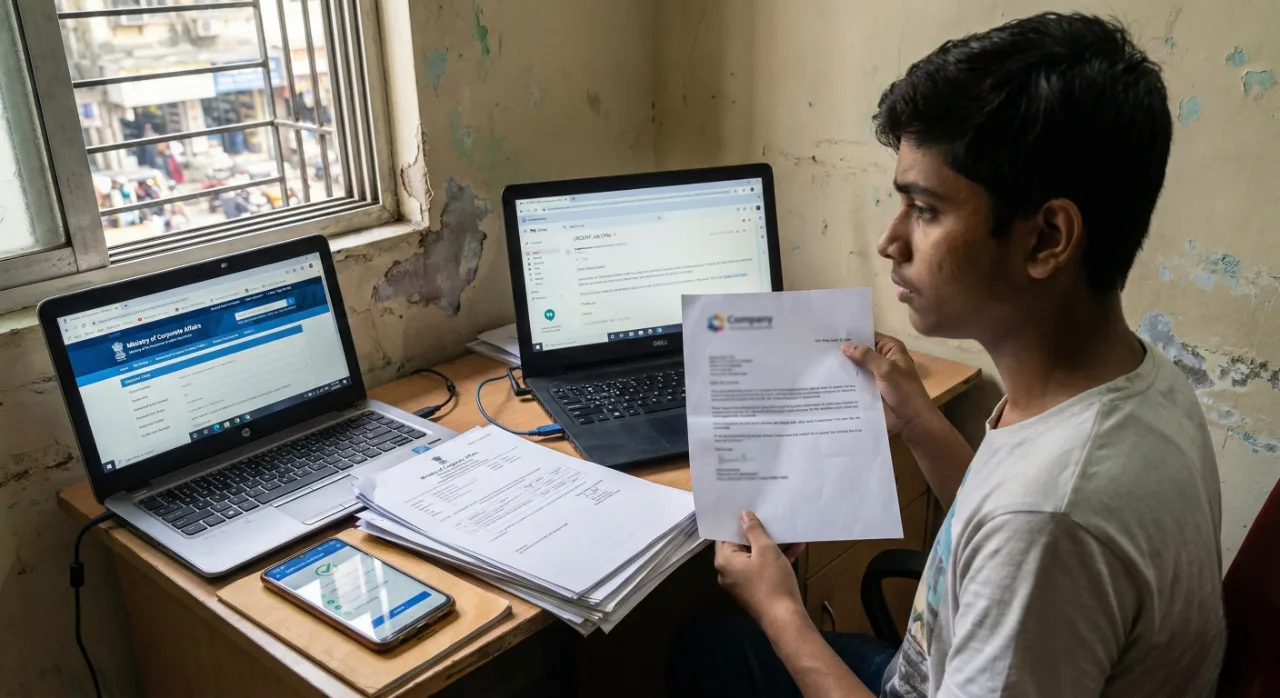
    1. Check Registration on the Ministry of Corporate Affairs Website

    In India, all registered companies must be listed with the Ministry of Corporate Affairs.

    You can search for the company name and verify:

    • Corporate Identification Number (CIN)
    • Registration status
    • Registered office address
    • Directors’ details

    If the company is not listed, it may not be legally registered.

    Even if the company exists, scammers may misuse its name. So additional verification is important.

    2. Visit the Official Website Directly

    Search the company independently on Google. Do not rely on links provided in the suspicious email.

    Check:

    • Whether the job listing appears on the official careers page
    • Whether contact details match the offer letter
    • Whether the email domain matches the website domain

    If unsure, call the official contact number listed on the website and confirm the offer.

    3. Verify on LinkedIn

    Look for:

    • Official company page
    • Verified employees
    • Active HR professionals

    If the person who contacted you has very few connections, no profile picture, or recently created account, be cautious.

    4. Check National Career Service Portal

    The National Career Service is a government platform where employers can post genuine job opportunities.

    If the recruiter claims to represent a government or registered employer, you can cross-check there.

    5. Verify Overseas Job Offers Carefully

    If the job is abroad:

    • Confirm whether the recruiting agency is licensed
    • Verify visa requirements with official embassy sources
    • Avoid paying large sums upfront

    Many overseas job scams promise Gulf or Southeast Asian placements but disappear after collecting money.

    6. Never Share Sensitive Documents Without Verification

    Avoid sending:

    • Aadhaar card copies
    • PAN details
    • Passport copies
    • Bank account details
    • OTP codes

    Identity theft is a major risk in job scams.

    What to Do If You Receive a Fake Job Offer

    If you suspect fraud, act immediately.

    1. Stop communication.
    2. Do not send money.
    3. Preserve evidence such as emails, call logs, and payment receipts.

    You can report the scam to the National Cyber Crime Reporting Portal. This platform allows victims to file complaints related to online fraud.

    You can also visit your local cyber cell police station and file a complaint with supporting documents.

    If scammers are misusing a real company’s name, inform the company directly through official contact details.

    Legal Consequences for Scammers

    Fake job offer scams fall under multiple legal provisions in India, including:

    • Cheating under the Indian Penal Code
    • Forgery and impersonation
    • IT Act provisions for cyber fraud

    However, legal action usually happens after victims report the crime. The strongest protection is early detection and awareness. Before trusting any suspicious offer letter, email, or recruitment link, you can verify the details using the ScamDekho scam checker to identify potential red flags and reduce the risk of falling victim.

    Why Awareness Matters

    Most victims of job offer scams are not careless. They are hopeful. They trust the company name. They trust the formal-looking letter. They trust the promise of employment.

    Scammers exploit urgency, financial pressure, and career anxiety.

    The simple rule is this: employment is offered based on merit, not money.

    If anyone asks you to pay for a job, it is almost certainly a scam.

    Final Advice for Job Seekers

    Before accepting any offer:

    • Verify company registration legally.
    • Confirm through official channels.
    • Check email domains carefully.
    • Avoid paying any recruitment fee.
    • Report suspicious activity immediately.

    A real job offer will withstand verification. A fake one will collapse under basic checks.

    Staying informed can protect not only you but also your friends and family from financial loss. In today’s digital hiring environment, caution is not fear — it is intelligence.

  • Latest Online Scams in India (2026): New Fraud Trends You Must Know

    Latest Online Scams in India (2026): New Fraud Trends You Must Know

    India is going through a massive digital transformation. From UPI payments to online shopping and remote jobs, almost everything is now internet-based. But as digital convenience grows, so do cyber threats. In 2026, online scams in India have become more advanced, smarter, and harder to detect. Fraudsters are using AI-generated messages, fake websites, phishing links, and social engineering tactics to trick innocent users.

    If you’ve ever wondered, “Is this link safe?” or “Is this website real or fake?”, this article will help you understand the latest scam trends and how to protect yourself.

    1. AI-Powered Phishing Scams

    Phishing is no longer just about poorly written emails. Phishing scams in 2026 have even made use of AI tools to compose very convincing phishing messages.

    How it works:

    • You get an email or text message that seems to be from your bank or a major brand.
    • There is an urgent warning in the message, for example: “Your account will be blocked in 2 hours.”
    • Clicking a link and entering login details is requested.

    These phishing link scams are so realistic. Nowadays, fake websites even replicate the exact look of original websites, so it becomes incredibly hard to spot a fake website.

    How to protect yourself:

    • Always check the website URL carefully.
    • Look for spelling errors in domain names.
    • Use a reliable scam checker before entering sensitive details.

    2. UPI Fraud & Payment Request Scams

    UPI has simplified digital payments, however, it has also attracted a significant number of fraudsters.

    Common UPI scam trends in 2026:

    • Fake payment request links.
    • QR code scams.
    • Screen-sharing app fraud.
    • “Refund” scams where scammers pretending to send money ask for payment instead.

    Numerous individuals get defrauded when they approve a “collect request” under the misconception of receiving funds. Keep in mind: You never need to enter your UPI PIN to get money.

    Safety Tips:

    • Never disclose your UPI PIN to anyone.
    • Do not scan QR codes if they are sent by unknown persons.
    • Confirm payment requests before granting permission.

    3. WhatsApp Scam Messages & Fake Links

    WhatsApp scams have seen a rapid rise in India. Many times, fraud messages either make panic or excitement among people.

    Examples of WhatsApp scam messages:

    • “You have won ₹25,000 in lucky draw!”
    • “KYC update required immediately.”
    • “Click this link to avoid SIM block.”

    These messages contain malicious links that redirect to phishing websites. Some even install malware on your device.

    How to identify fake WhatsApp messages:

    • Unknown sender numbers.
    • Suspicious shortened links.
    • Poor grammar or urgent tone.
    • Requests for OTP, Aadhaar, or bank details.

    If you receive a suspicious WhatsApp message, do not click the link. Report and block the sender immediately.

    4. Fake Job Offer Scams

    With remote jobs and work-from-home opportunities increasing, fake job offers have become one of the biggest scams in India.

    How fake job scams work:

    • You receive a job offer via email or WhatsApp.
    • The offer letter looks professional.
    • You are asked to pay a “registration fee” or “security deposit.”
    • The scammer disappears after payment.

    Some fraudsters even conduct fake interviews to build trust.

    How to check if a job offer is fake:

    • Verify company website authenticity.
    • Check official email domain (avoid Gmail-based recruiters).
    • Search for company reviews.
    • Never pay money for a job offer.

    Legitimate companies do not charge money for hiring.

    5. Fake E-commerce & Online Shopping Scams

    Online shopping scams are increasing, especially during festival seasons.

    Warning signs:

    • Massive discounts (70–90% off).
    • No customer support details.
    • No refund or return policy.
    • Recently created domain names.

    These fake websites collect payment but never deliver products.

    Before shopping:

    • Check website reputation.
    • Search for reviews.
    • Use secure payment methods.

    6. OTP & SIM Swap Fraud

    In 2026, SIM swap scams are more sophisticated.

    What happens:

    • Fraudsters gather your personal details.
    • They convince telecom providers to issue a duplicate SIM.
    • They receive your OTPs.
    • They access your bank accounts.

    If your mobile network suddenly stops working, contact your telecom provider immediately.

    Never share OTPs with anyone — even if they claim to be bank officials.

    7. Investment & Crypto Scam Schemes

    Scammers are promoting fake investment apps promising high returns.

    Common tactics:

    • Guaranteed 2x returns in 30 days.
    • Fake celebrity endorsements.
    • Referral bonus traps.

    Once you deposit money, the app blocks withdrawals.

    Always remember:
    If an investment sounds too good to be true, it probably is.

    8. Fake Customer Care & Helpline Numbers

    Many fraudsters create fake customer care numbers and rank them online.

    When users search for support numbers, they end up calling scammers.

    How they scam:

    • Ask for remote access apps.
    • Request card details.
    • Ask for OTP verification.

    Always visit official websites to get verified customer support numbers.

    How to Check If a Website or Link is Safe

    Before clicking any suspicious link, follow these steps:

    1. Check the URL carefully.
    2. Avoid clicking shortened links.
    3. Look for HTTPS and proper domain spelling.
    4. Use a trusted website checker tool.
    5. Search online for scam complaints.

    If you are unsure whether a website is legit or fake, do not share personal information.

    How to Report Online Scams in India

    If you become a victim of cyber fraud:

    • Call the national cybercrime helpline: 1930
    • Report online at the official cybercrime portal.
    • Inform your bank immediately.

    Quick reporting increases the chance of recovering lost funds.

    Final Thoughts

    Online frauds in India keep changing their tricks very fast in 2026. Cyber hackers are always inventing new schemes, such as phishing link scams, fake websites, WhatsApp fraud messages and UPI scams.

    The greatest weapon against such crime is being aware. Always check the authenticity of links, thoroughly inspect websites and strictly avoid sharing your confidential data without a confirmation.

  • Common digital banking fraud types growing in India (avoid these mistakes)

    Common digital banking fraud types growing in India (avoid these mistakes)

    What’s​‍​‌‍​‍‌​‍​‌‍​‍‌ really crazy is that nowadays you can pretty much do all your banking without physically going to the bank. Do you need to send money? Pay bills? Check your balance? Just use your phone, a couple of taps, and it’s done. It’s like the work disappears from your hands, almost too simple.

    It is exactly the digital comfort that is the source of our convenience that has also invited scammers who are intelligent enough that they can scam with the smartest person.

    And they are not mailing you scam links that look shady and are full of errors anymore. No, they are employing the use of official logos, pretend-sounding messages, and even courteous “bank calls” to get bank details from people. Thousands of people all over India are defrauded online every day, and often they don’t even realize when or how it happened.

    The fact is, anybody can be tricked, students, professionals, and even people who think they are careful. So instead of acting as if it can’t happen to us, let’s figure out what is happening.

    Here are the most common digital banking frauds in India right now, with a guide on how to identify them before they catch ​‍​‌‍​‍‌​‍​‌‍​‍‌you.

    1.​‍​‌‍​‍‌​‍​‌‍​‍‌ Phishing – The Fake Link Trap

    Phishing is the most commonly used trick that has been successful for the longest time. An email or message comes to you with a text such as:

    “If you do not verify your KYC immediately, your bank account will be blocked.”

    Looks like a real thing, doesn’t it? The logo, the formatting, everything appears to be genuine. You click on the link, go to a website that looks exactly like your bank’s, and enter your details.

    That’s exactly the moment when you might get into trouble. At this point, the scammer, who could be located far away, has access to your login ID, password, and in some cases, even your OTPs.

    How can you avoid this scam?

    • Make sure not to click on links from unknown sources, even if they appear to be official.
    • It is always better to open your bank website by typing the URL manually.
    • The fact is that the banks do not ask for personal details or OTPs through email or ​‍​‌‍​‍‌​‍​‌‍​‍‌message.

    Also Read: Top 7 Phone And SMS Scams You Should Never Ignore

    2.​‍​‌‍​‍‌​‍​‌‍​‍‌ Vishing—The Sweet Talk Scam

    This is the most common scam. Basically, you get a call from someone impersonating a bank official or an RBI employee. They sound extremely professional and full of confidence.

    They’ll do their act like this:

    • “Sir, your card will no longer be valid in a few days. To help us, confirm your card number and CVV.”
    • “Ma’am, we are doing KYC verification. Please share the OTP.”

    You believe them because they sound so genuine, and within a few moments, your money has been stolen.

    Be cautious:

    • A bank representative will never ask for your OTP or CVV.
    • If you want to be sure, do not talk to them over the phone. Instead, call the bank’s helpline yourself.
    • Keep your sensitive information to yourself, even if the person on the other end of the line sounds very ​‍​‌‍​‍‌​‍​‌‍​‍‌convincing.

    3.​‍​‌‍​‍‌​‍​‌‍​‍‌ SIM Swap Fraud—The Silent Killer

    This particular instance of fraud is quite frightening because it takes place without making any noise. To begin with, the villains gather your private information (such as Aadhaar, PAN, or DOB) from data that might have been leaked or through some kind of call that is faked. Afterwards, they reach out to your mobile operator, impersonating you, and say, “I have lost my SIM card; kindly give me a new one.”

    So, after getting a duplicate SIM, they go on to receive all the OTPs and bank alerts that are meant for you while your real SIM, hence, is rendered non-functional. Basically, you will not even know what exactly is happening, and you will be scammed in just a few seconds.

    By the time you realize it, extensive harm has already been caused.

    Save yourself:

    • It is better not to give out your personal documents or ID numbers that way.
    • In the case that your SIM is doing you a surprise by not working, get in touch with your mobile provider without delay.
    • Make sure that both SMS and email alerts are turned on for your bank ​‍​‌‍​‍‌​‍​‌‍​‍‌account.

    4.​‍​‌‍​‍‌​‍​‌‍​‍‌ UPI Fraud – The New-Age Scam

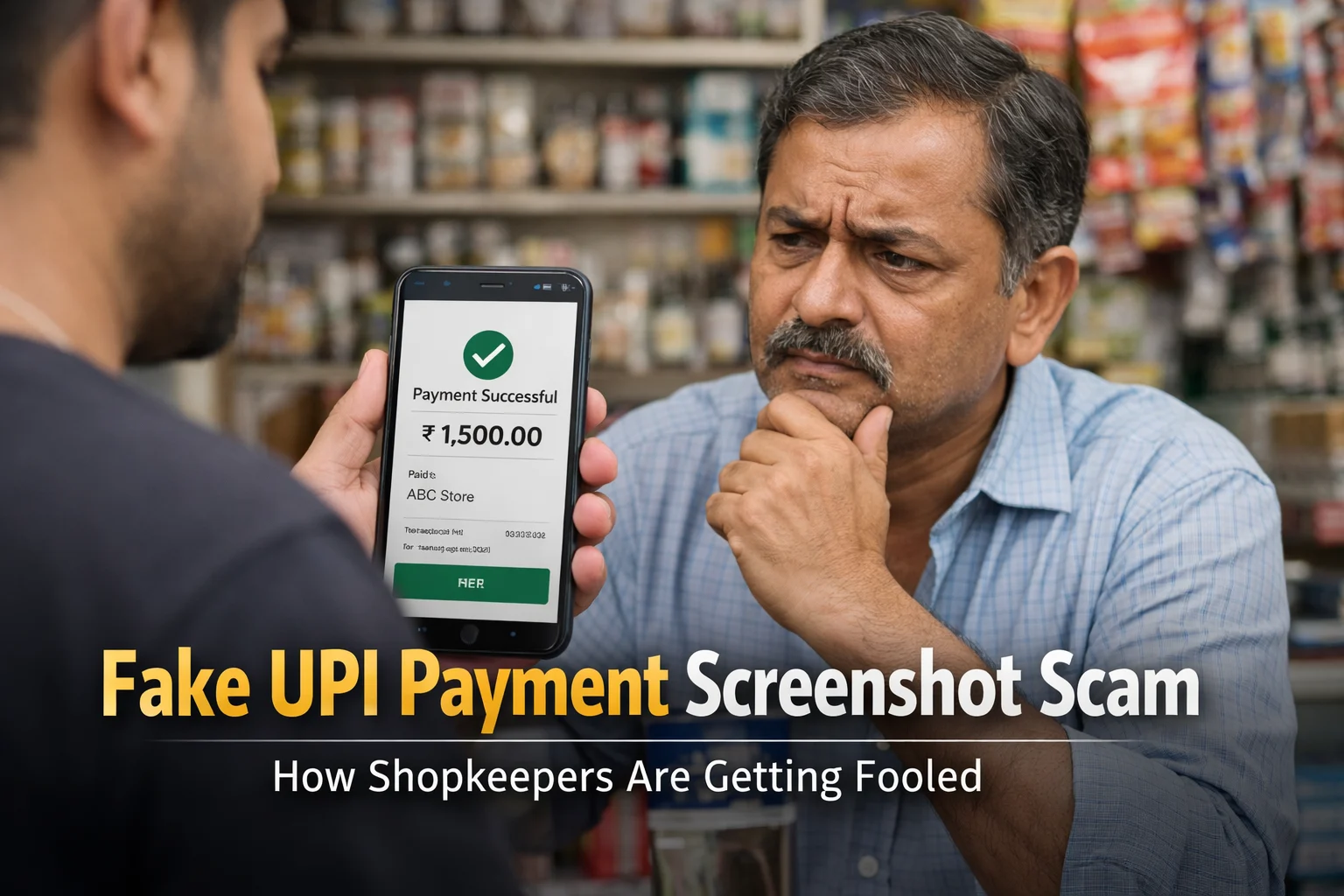
    While UPI payments are extremely handy, this is also the reason why fraudsters take advantage of them. There is a payment request on Google Pay, PhonePe, or Paytm that reads:

    “Congratulations! You have received ₹2000 cashback! Click here to get your reward.”

    The catch? When you click Approve, you’re not getting money; you’re sending it.

    Some even send counterfeit QR codes or “refund” links that directly lead to their accounts.

    How to stay safe:

    • Keep in mind: receiving money does not require you to enter your PIN.
    • Do not accept requests from strangers.
    • Always confirm the identity of the person before making the ​‍​‌‍​‍‌​‍​‌‍​‍‌payment

    Check Scam Links Here

    5. Fake​‍​‌‍​‍‌​‍​‌‍​‍‌ Customer Care Numbers

    This is what a lot of people are doing recently. When you look for a bank’s customer care number on Google and pick up the phone, you call the first number without checking if it is real.

    On the other side, the “executive” therefore requests your account details, screen-sharing access, or OTP, and within a few minutes, your balance becomes zero.

    To stay away from this:

    • Customer care numbers should always be taken from the official websites or apps.
    • Do not permit the use of any screen-sharing app during banking calls.
    • If you are unsure, do not hesitate to hang up and talk to the bank ​‍​‌‍​‍‌​‍​‌‍​‍‌personally.

    Conclusion:​‍​‌‍​‍‌​‍​‌‍​‍‌ Stay a step ahead by staying aware

    To be honest, the scams we talked about are only a small fraction of what is going on in the digital fraud world. The digital fraud world is way bigger, smarter, and faster than most people can even imagine. Scammers are always ten steps ahead of the newly introduced security measures.

    Hence, the point of the exercise is not to be frightened but to stay aware.

    This is because most of these fraudulent schemes can only succeed if we act hastily and do not verify. Be it a message, a call, or an “urgent” link, just take that extra five seconds to think, could this be a trap?

    Banking digitally is safe, strong, and easy to use if you employ it correctly.